Wayne Lumbasi

A fragile consensus over post-war arrangements unravelled as Israel publicly rejected a United States-backed 15-point roadmap, drawing a sharp line against American demands for a phased military withdrawal alongside the gradual disarmament of Hamas.

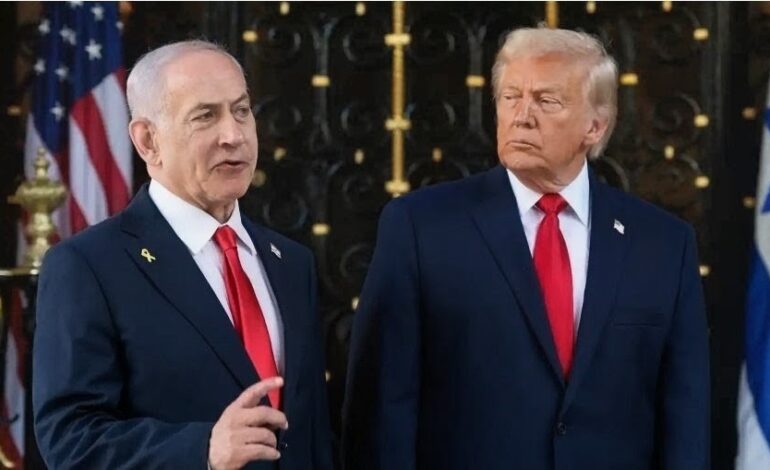
“Israel does not accept the 15-point document,” Netanyahu said. “The military will not carry out any withdrawal until Hamas is genuinely disarmed—and when I say the disarming of Hamas, it means heavy weaponry, lighter weaponry, all weaponry. We are talking about real disarmament, not fictitious disarmament.”
The dispute centers on the sequencing and conditions of the proposed transition. Under the United States draft, the disarmament process would occur in structured stages alongside an incremental Israeli pullback, with an international stabilization force and a local police authority managing security.

Israel, however, demands complete disarmament and the total destruction of all weapons before any troop movements begin. Israeli officials have also balked at placing surrendered weapons under local Palestinian supervision, as well as provisions creating a pathway toward Palestinian statehood an outcome Netanyahu firmly ruled out.

While describing Trump as a “great friend” and praising joint efforts, Netanyahu signaled that Israel would strictly prioritize its own national security doctrine over American diplomatic timetables. “We know how to stand our ground, even against our best friends when necessary,” he remarked.
Domestic political calculations weigh heavily on the decision. With national parliamentary elections scheduled for October, Netanyahu faces relentless pressure from coalition partners who have threatened to break the government if Israel yields territory before Hamas is fully dismantled. Finance Minister Bezalel Smotrich reinforced the government’s hardline stance shortly after the meeting, publicly insisting that forces must not withdraw “a single millimeter” prior to total disarmament.

Hamas, which endorsed the framework during talks with mediators in Egypt late last month, responded by urging international guarantors to hold Israel to the terms. Senior Hamas official Basem Naim stated that the group remains committed to the roadmap but argued that progress requires an immediate end to military strikes and the full entry of humanitarian aid before weapons transfers can begin.
Representatives from the Board of Peace said dialogue with both parties remains active, maintaining that the 15-point draft offers the only realistic structure for permanent stabilization. Yet Israel’s definitive refusal underscores the immense hurdle facing the United States as it attempts to bridge the divide between its own regional vision and Israeli security demands.
RELATED