Faith Nyasuguta

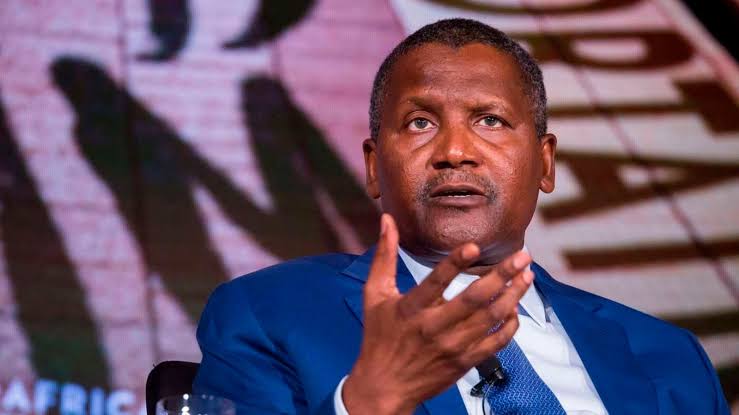
A coalition of environmental organizations and climate activists has launched a fierce campaign against a proposed Sh2.2 trillion ($17 billion) mega oil refinery on Kenya’s Lamu Island, calling the venture an act of “environmental recklessness”. Backed by Africa’s richest man, Aliko Dangote, and strongly endorsed by the Kenyan government, the ambitious project is facing heavy pushback before formal construction even begins.
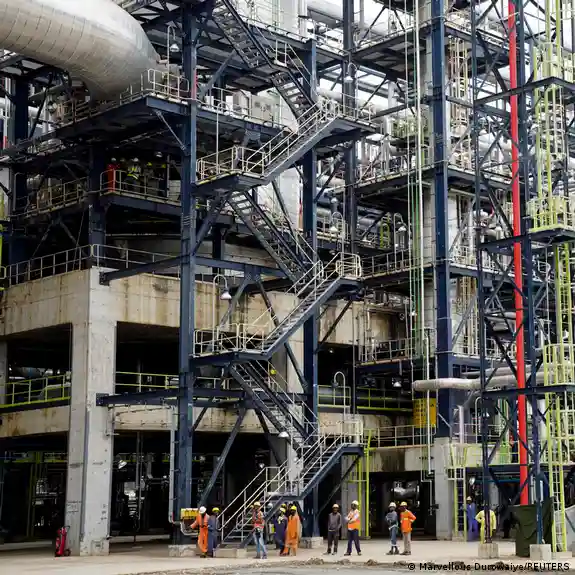
The facility, designed to process 700,000 barrels of crude oil per day, is slated to become East Africa’s largest petroleum processing hub. Proponents, including President William Ruto—who recently appointed a state committee to oversee the project—argue the refinery will create up to 60,000 jobs, lower fuel supply costs, and secure regional energy independence for nations like Uganda, Rwanda, and the Democratic Republic of Congo. Geotechnical soil testing and preliminary engineering designs are already underway.

Ecological and Cultural Destruction

Environmentalists warn that building a massive industrial complex on Lamu Island threatens a highly fragile coastal ecosystem and a UNESCO World Heritage site. Activists point out that the infrastructure required—ranging from shipping terminals to expansive underwater pipelines—endangers Lamu’s vital mangrove forests, coral reefs, and extensive seagrass beds.

In a blistering assessment, Mohamed Adow, director of the climate and energy think-tank Power Shift Africa, condemned the state’s green light as “extraordinary economic short-sightedness”. He noted that placing one of the continent’s largest fossil fuel developments in an ecologically sensitive zone endangers the artisanal fishing and local tourism industries that sustain thousands of coastal families.
The Risk of a “Stranded Asset”

Beyond localized ecological fallout, international climate advocates argue that investing trillions of shillings into fossil fuel infrastructure flies in the face of global green energy transitions. Greenpeace Africa has actively demanded an immediate freeze on all regulatory approvals, raising the alarm over the financial viability of a petroleum mega-refinery during an era of rapid vehicle electrification.
“This refinery risks becoming a stranded asset as the world moves toward cleaner energy,” stated Sherelee Odayar, an Oil and Gas Campaigner at Greenpeace Africa. “It would lock Kenya into decades of carbon-intensive development, worsening climate change impacts. The enormous capital required could instead accelerate a renewable energy future through solar, wind, and geothermal power.”
Activists also warn that Lamu’s low-lying, flood-prone terrain compounds the environmental threat, raising the stakes for toxic industrial waste contamination or catastrophic maritime oil spills.
The Demand for Transparency
As the corporate machinery moves forward, activists are demanding that the Kenyan government halt progress until a completely independent Environmental and Social Impact Assessment (ESIA) is conducted and made available for public scrutiny. Communities on the ground state that true public participation has been sidelined in favor of top-down political deals.
With regional civil society mobilizing, the Sh2.2 trillion refinery has transformed into a high-stakes battleground, pitting traditional industrial growth against the urgent mandate for climate preservation in East Africa.
RELATED: