Faith Nyasuguta

In one of the most aggressive maneuvers of its ongoing immigration clampdown, the United States Department of Homeland Security (DHS) has published an updated, public register featuring the names and photographs of non-citizens designated for deportation. Described by federal officials as a “worst-of-the-worst” criminal list, the public roster specifically highlights 124 Nigerian nationals alongside hundreds of others from across Africa, the Caribbean, and Latin America.
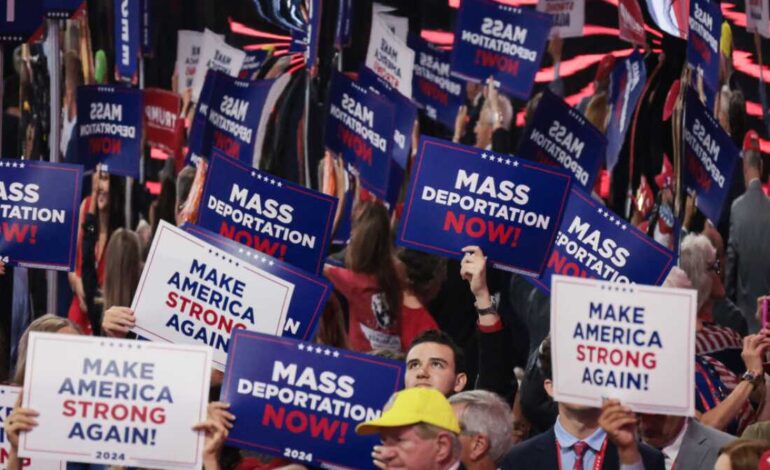
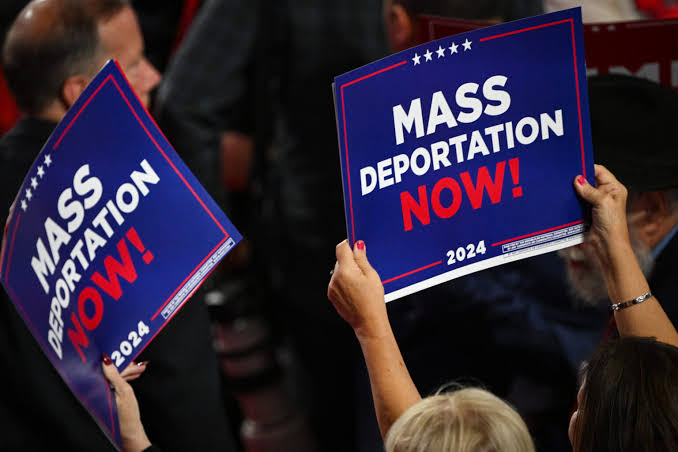
The publication represents a dramatic shift in public deterrence strategies under President Donald Trump’s second administration, which assumed office on January 20, 2025. Since returning to the Oval Office, President Trump has directed immigration authorities to intensify border controls, fast-track mass deportations, and target undocumented populations with unprecedented visibility.

The newly updated enforcement database is hosted directly on the DHS website. In an official statement accompanying the list, the agency made the administration’s strategic intent clear:

“The US Department of Homeland Security is highlighting the worst of the worst criminal aliens arrested by the US Immigration and Customs Enforcement (ICE). Under DHS leadership, the hard-working men and women of DHS and ICE are fulfilling President Trump’s promise and carrying out mass deportations—starting with the worst of the worst—including the illegal aliens you see here.”*

According to federal records, those placed on the register have been convicted of serious crimes under U.S. law, with offenses ranging from violent physical assault to complex wire fraud. However, while the agency has published their personal identities and mugshots, the publication does not specify the exact timelines or flight schedules for their physical removals.
Nigeria and West Africa Under Scrutiny

While the enforcement push is global, its immediate impact is reverberating heavily across the African diaspora. Nigeria, which is home to the largest African-born population in the United States, leads the African contingent on the register with 124 individuals.
The targeted campaign follows a series of policy escalations by the Trump administration, including a partial visa restriction imposed on Nigerians over high rates of visa overstays and passport verification issues. However, the list spans far beyond Nigeria, targeting nearly every region of the African continent.
Detainees scheduled for deportation include nationals from:
West Africa: Niger, Togo, Burkina Faso, Liberia, and Ghana.
Central and East Africa:Cameroon, Ethiopia, and Somalia.
The Top 10 African Populations in the U.S.
To contextualize the deportation figures, human rights organizations point to data compiled by the Migration Policy Institute (MPI), which details the largest African migrant communities residing in the U.S:
| Rank | Country of Origin | US Migrant Population |
| 1 | Nigeria | 476,008 |
| 2 | Ethiopia | 278,182 |
| 3 | Ghana | 241,477 |
| 4 | Egypt | 225,665 |
| 5 | Kenya | 174,734 |
| 6 | South Africa | 133,359 |
| 7 | Morocco | 109,370 |
| 8 | Liberia | 100,769 |
| 9 | Somalia | 92,401 |
| 10 | Cameroon | 90,749 |
At the absolute bottom of this enforcement spectrum sits Cabo Verde, which registers only a single-digit presence on ICE’s active criminal removal rosters, owing to its comparatively small diaspora footprint and strict compliance metrics.
The Global Comparison: Africa vs. Latin America
Though the public focus on African nationals has sparked intense debate, the DHS “worst-of-the-worst” list is fundamentally global. Alongside African detainees, the register contains significant cohorts of individuals from Latin America and the Caribbean, most notably from Cuba, Mexico, and Honduras.
While the volume of deportations to Latin American nations remains numerically higher due to geographic proximity, legal experts note that removals to Africa face unique operational, financial, and diplomatic hurdles. Direct flights to West Africa are highly expensive, prompting the U.S. government to seek alternative legal mechanisms.
Third-Country Agreements and Legal Blowback
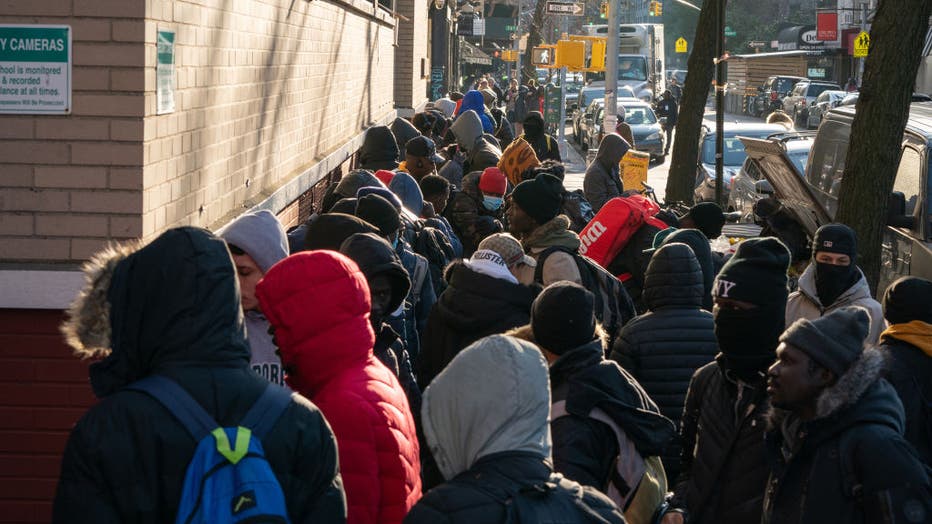
To bypass the logistical challenges of direct repatriation, the U.S. has increasingly relied on “third-country deportation policies.” Under these bilateral agreements, the U.S. deports non-citizens to intermediary nations rather than their native countries.
Since September, at least 60 individuals have been forcibly deported to Ghana under these arrangements. The practice has triggered intense legal resistance across the African continent. Last month, a coalition of human rights lawyers filed a formal lawsuit against the government of Ghana at Africa’s top human rights court, arguing that accepting third-country deportees violates international protocols on asylum and human rights.
African nations have increasingly agreed to these arrangements under intense diplomatic pressure:
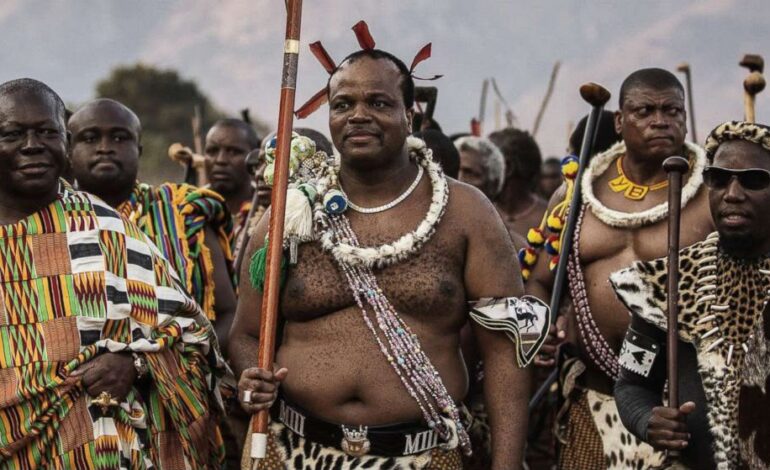
• Eswatini: Africa’s last absolute monarchy agreed to accept 160 non-national deportees in exchange for a $5.1 million aid package.
• Rwanda: Sealed a similar $7.5 million bilateral agreement to accept up to 250 third-country deportees.
• Ghana: Accepted flights of West African third-country nationals, including Nigerian and Gambian citizens deported from U.S. soil.
• The Democratic Republic of Congo, Uganda, and Cameroon: Active destinations for ICE flights carrying third-country nationals.
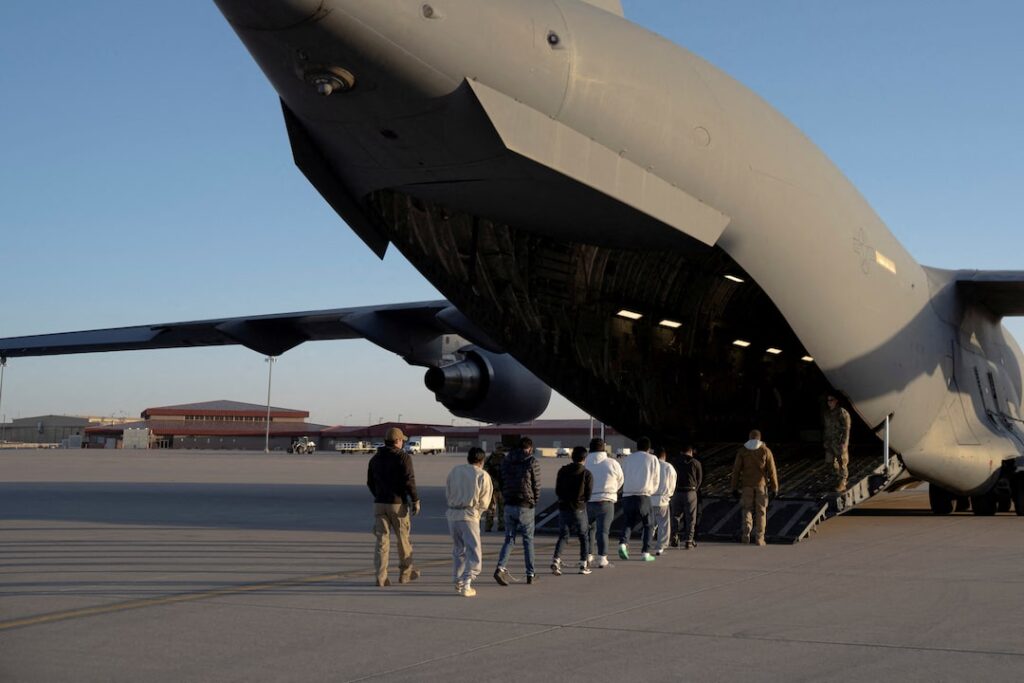
The legal and human consequences of these transfers are severe. Many of those being deported possess “withholding of removal” or Convention Against Torture (CAT) protections. While these legal statuses explicitly prohibit the U.S. from returning individuals to countries where they face torture or death, the U.S. government circumvents these laws by flying them to a third nation like Equatorial Guinea or South Sudan.
Once they land, the receiving governments—lacking the infrastructure or legal framework to process asylum claims—often deport the individuals back to their home countries. Immigration attorneys classify this practice as “chain refoulement,” which is illegal under international human rights law.
As the legal battles proceed in international courts, the DHS maintains that the publication of the “worst-of-the-worst” register is a vital, legal component of its broader mandate to secure U.S. borders and protect public safety.
RELATED: