Wayne Lumbasi

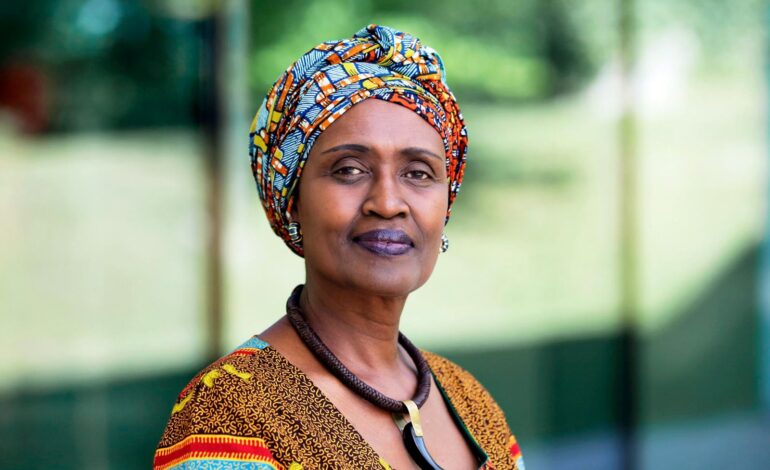
The head of UNAIDS, Winnie Byanyima, has expressed profound concern over plans by the United States to permanently withdraw HIV/AIDS funding from South Africa, warning that the decision risks reversing decades of monumental health progress and could cost lives.
Speaking at a United Nations news briefing ahead of a high-level conference on HIV/AIDS, Byanyima urged United States officials to reconsider the move, noting that cutting off support directly threatens life-saving services for the world’s most vulnerable populations. South Africa is home to roughly 8 million people living with HIV, making it the largest affected population globally.

The State Department confirmed it is initiating a phased drawdown of the President’s Emergency Plan for AIDS Relief, popularly known as PEPFAR, aiming to close out programming by early next year. United States officials cited South Africa’s status as a middle-income country capable of financing its own health programs, stating that PEPFAR was never intended to be permanent and that United States support is designed to foster self-reliance.

However, officials also directly linked the decision to a failure by South Africa to make progress on specific political and economic requests from the Trump administration. These conditions include demands that South Africa scale back its diplomatic partnership with Iran, reform its Black Economic Empowerment ownership policies for American firms, drop expropriation laws normalizing nil compensation, and publicly condemn specific domestic political rhetoric such as anti-apartheid chants.

Tensions between the two countries have escalated since the signing of a 2025 executive order targeting foreign aid to South Africa, which previously led to temporary funding suspensions and canceled grants.
While South Africa funds the vast majority of its own antiretroviral drug treatments through its national treasury, PEPFAR has historically contributed over USD $400 million annually to the national response, making up roughly 17% of the total HIV funding. This funding primarily supports broader health infrastructure, non-governmental organizations, and data tracking systems, while covering the salaries of approximately 15,000 frontline health workers and civil society staff.

Local advocates fear that losing these resources will trigger a cascading effect on public health, noting that more than 8,000 skilled healthcare workers have already lost their jobs since initial funding freezes began, forcing multiple clinic closures.
Current international targets aim to eliminate AIDS as a public health threat by 2030, but UNAIDS data indicates that global progress remains incredibly fragile, with 9 million people still lacking treatment and 1.2 million new infections occurring annually. Global development assistance from multiple countries fell by 23% in 2025, marking the sharpest drop on record.
Byanyima warned that these funding contractions are already manifesting on the ground in high-burden settings, pointing to a 22% drop in HIV testing, a 38% decline in the uptake of pre-exposure prophylaxis prevention medicine, and a steep 90% decline in condom distribution across several highly affected regions.
RELATED: