Faith Nyasuguta
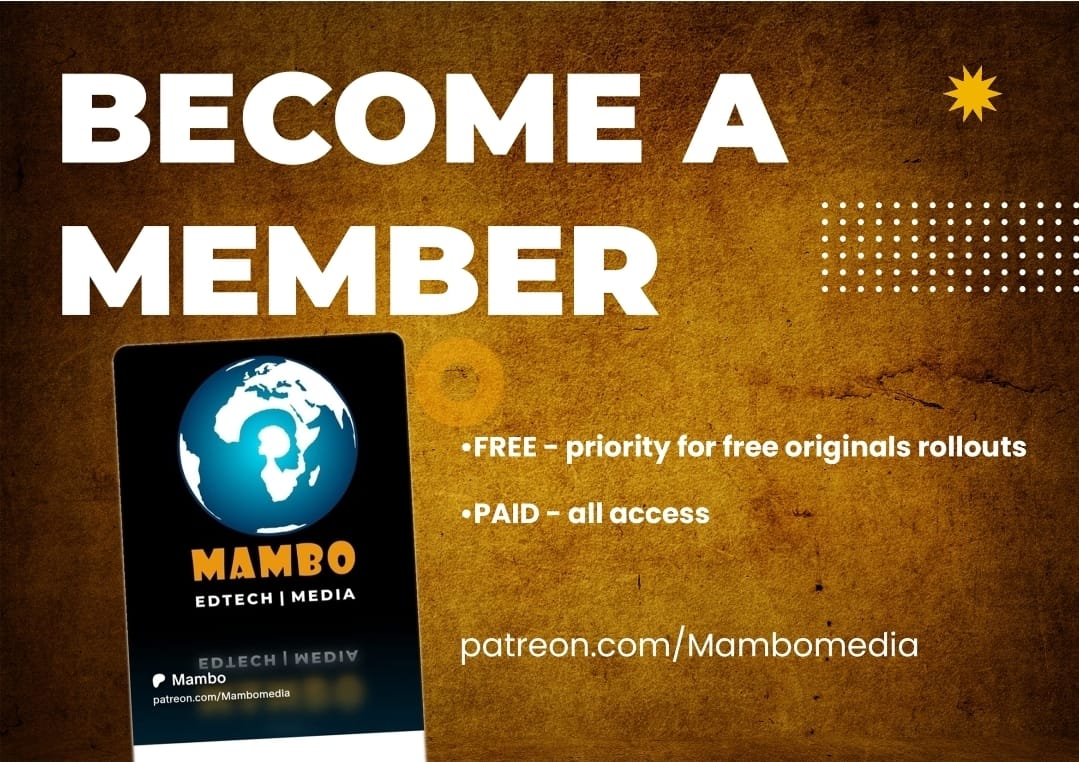
Africa’s creative capitals are no longer waiting for global recognition—they are earning it.
In a major boost for the continent’s growing cultural influence, Cape Town, Marrakech, and Cairo have been ranked among the world’s best cities for art and culture in 2026, reinforcing Africa’s rising status as a powerhouse of creativity, heritage, and artistic innovation.

The rankings, compiled by Time Out, are based on responses from more than 24,000 residents across over 150 cities worldwide. Participants evaluated the quality and affordability of their local cultural scenes, including museums, galleries, music, literature, festivals, theatre, public events, and artistic experiences.

The results placed three African cities among the world’s cultural elite. Leading the pack was Cape Town, which emerged as Africa’s highest-ranked city and secured an impressive fifth place globally.
The South African city has spent years building a reputation as one of the continent’s most dynamic cultural destinations. From cutting-edge contemporary art to vibrant music festivals and public exhibitions, Cape Town has successfully blended creativity with tourism, transforming culture into one of its strongest economic assets.
At the heart of its success are institutions such as the Zeitz Museum of Contemporary Art Africa and the Norval Foundation, both widely regarded as major platforms for African artists.
The city also hosts the renowned Investec Cape Town Art Fair, often described as Africa’s largest art fair, alongside the popular First Thursdays initiative, which transforms streets, galleries, and public spaces into a city-wide celebration of creativity each month.
New immersive digital art experiences and a thriving live music scene have further strengthened Cape Town’s appeal. Residents gave the city’s cultural offering an approval rating of 84 percent, highlighting festivals and live performances as standout attractions.
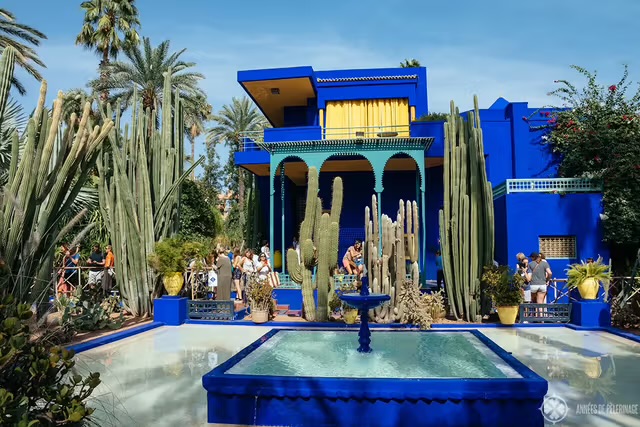
Not far behind was Morocco’s Marrakech, which secured 12th place globally and ranked second among African cities. Long celebrated for its rich architecture, historic medinas, and vibrant artisan culture, the Moroccan city has increasingly positioned itself as a meeting point between tradition and contemporary artistic expression.
Marrakech has become a magnet for international artists, collectors, and creatives, with events such as the 1-54 Contemporary African Art Fair helping cement its reputation as a leading cultural destination.
The city’s growing network of museums, galleries, artist residencies, and cultural foundations has contributed to a thriving creative ecosystem that continues to attract global attention.
Residents praised not only the quality of Marrakech’s cultural offerings but also their affordability, making art and heritage more accessible to both locals and visitors.
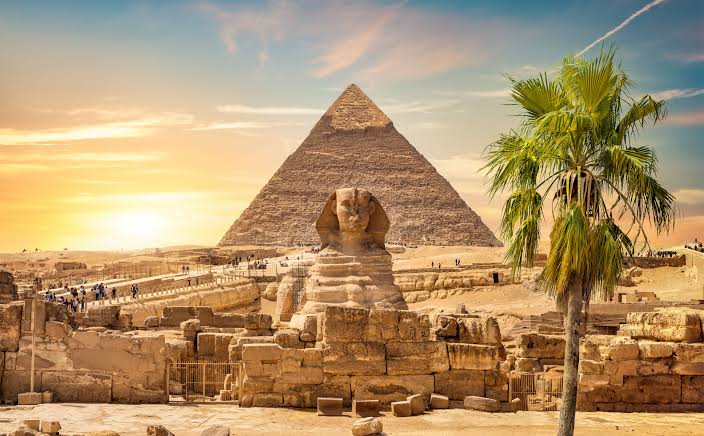
Completing Africa’s strong showing was Cairo, which ranked 16th globally and third on the continent. Few cities in the world can rival Cairo’s cultural depth.
As one of the oldest continuously inhabited cities on Earth, the Egyptian capital remains home to some of humanity’s most significant historical treasures. Yet it is not relying solely on its ancient legacy.
The city received renewed global attention following the public opening of the Grand Egyptian Museum, a landmark project that has further elevated Egypt’s position on the global cultural map.
Residents identified museums as Cairo’s greatest strength, while also noting that cultural experiences remain relatively affordable compared to many major global cities.The rankings highlight a broader trend across the continent.
African cities are increasingly competing not only through economic growth, infrastructure projects, or tourism campaigns, but also through culture, storytelling, heritage, music, fashion, film, and the arts.
As nations seek new avenues for influence and economic development, creative industries are becoming powerful tools for shaping global perception and attracting investment.
For Cape Town, Marrakech, and Cairo, the message is clear: Africa is not merely preserving culture—it is actively shaping the future of it.
RELATED: