Faith Nyasuguta

The United Kingdom has announced a major emergency funding package worth up to $26.9 million (£20 million) to help contain the rapidly growing Ebola outbreak in the Democratic Republic of the Congo, as fears intensify that the crisis could evolve into another large-scale regional health emergency.
The outbreak, centered largely in eastern Congo’s troubled Ituri province, has already recorded around 600 suspected cases and 139 suspected deaths according to the latest health figures released this week. Laboratory testing has confirmed at least 51 Ebola infections in Congo, while neighboring Uganda has also confirmed cases, heightening concerns over cross-border transmission across Central and East Africa.

Health authorities say the outbreak involves the Bundibugyo strain of Ebola, a rare variant for which there is currently no fully approved vaccine or targeted treatment, making containment efforts even more urgent.

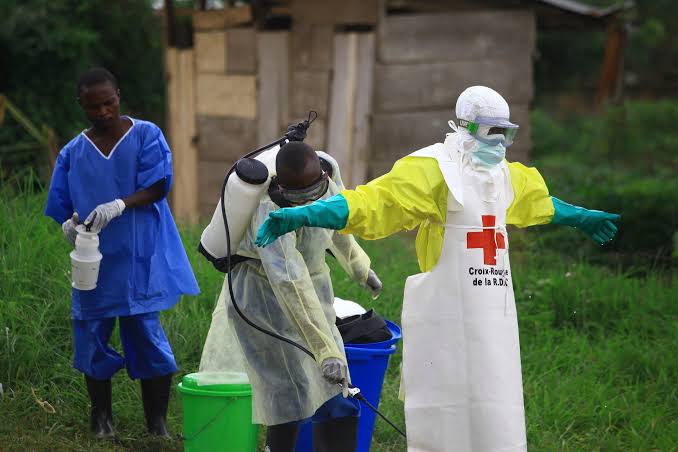
British officials say the new funding will support the World Health Organization, United Nations agencies, and humanitarian organizations working on the ground to strengthen surveillance systems, expand laboratory testing, deploy rapid response teams, and improve infection prevention measures.

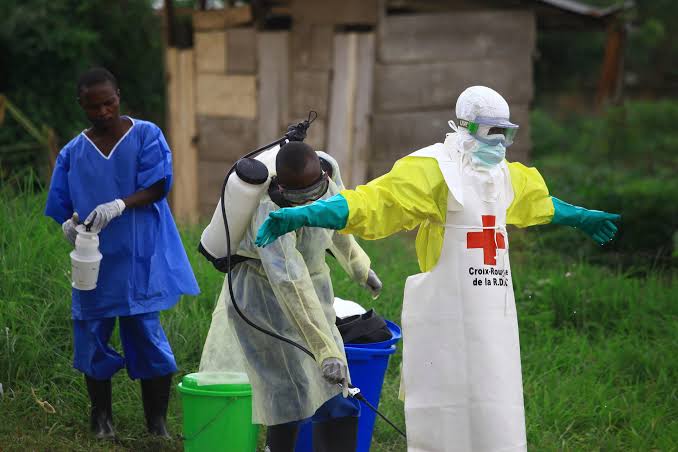
Part of the UK-backed intervention will also focus on improving water and sanitation infrastructure, supplying protective equipment to frontline health workers, and supporting maternity centres and vulnerable communities in affected regions.
The emergency response comes as international concern grows over the difficult conditions surrounding the outbreak. Eastern Congo remains deeply unstable due to armed conflict, militia activity, mass displacement, and weak healthcare systems, factors that have historically complicated Ebola containment operations.

Global health officials warn that insecurity in Ituri province could slow response efforts and allow the virus to spread further into densely populated areas or neighboring countries if not quickly controlled.
The outbreak has already prompted precautionary measures inside the United Kingdom itself. British health authorities are now monitoring travel routes connected to affected countries and tracking individuals traveling to outbreak zones for humanitarian or professional work.
The UK government has also updated travel advisories for parts of Congo, urging citizens to avoid all but essential travel to several affected areas.
British Home Secretary Yvette Cooper said the outbreak demonstrates how infectious diseases can rapidly become international security threats in an increasingly interconnected world.
“It is vital we act now to save lives. Outbreaks like Ebola do not stop at borders, and neither can we,” she said while announcing the emergency package.
The United States has also stepped in with emergency support measures. Washington recently mobilized an initial $13 million in foreign assistance aimed at strengthening surveillance, treatment capacity, border screening, laboratory testing, and public health communication efforts in Congo and Uganda.
American agencies including the Centers for Disease Control and Prevention, USAID, and the State Department are now involved in coordinated response operations alongside African and international health authorities.
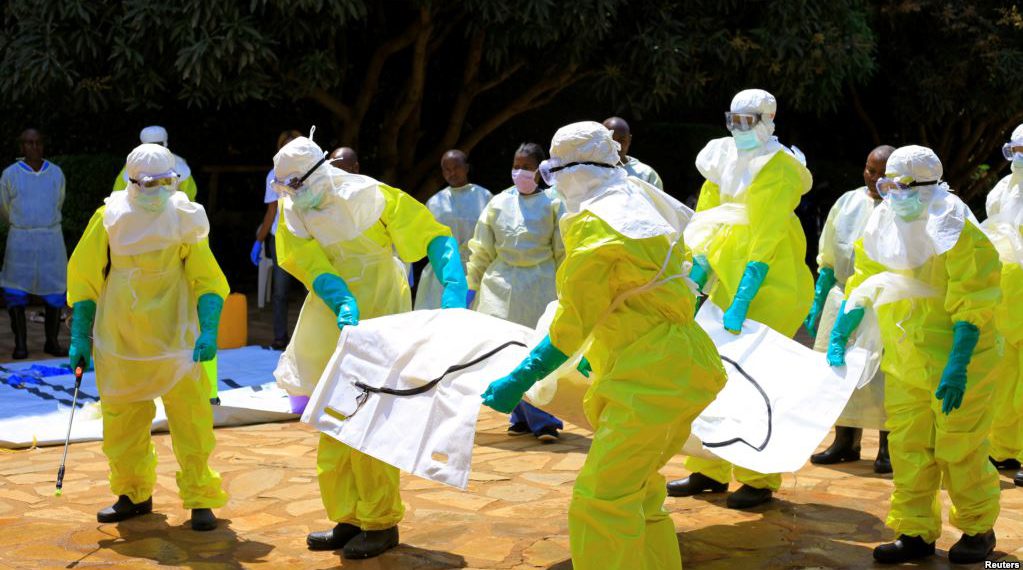
The renewed global response reflects lingering fears from the devastating West African Ebola epidemic between 2014 and 2016, which killed more than 11,000 people and caused severe economic disruption across Guinea, Liberia, and Sierra Leone.
The latest outbreak is unfolding at a particularly sensitive moment for Congo, a country rich in strategic minerals such as cobalt, copper, and coltan, which are essential for electric vehicle batteries, electronics, and global technology supply chains.
Analysts warn that a worsening Ebola crisis could disrupt trade, strain humanitarian operations, deepen instability in eastern Congo, and increase economic uncertainty across the wider region.
Health experts say the coming weeks will be critical in determining whether authorities can contain the outbreak before it spreads into larger urban centers and triggers a broader regional emergency.
RELATED: