Faith Nyasuguta

South Africa is digging in against growing accusations of xenophobia, insisting that recent anti-migrant protests reflect frustration over undocumented immigration and economic pressure – not hatred toward foreigners. But across the continent, the debate is becoming harder to contain.
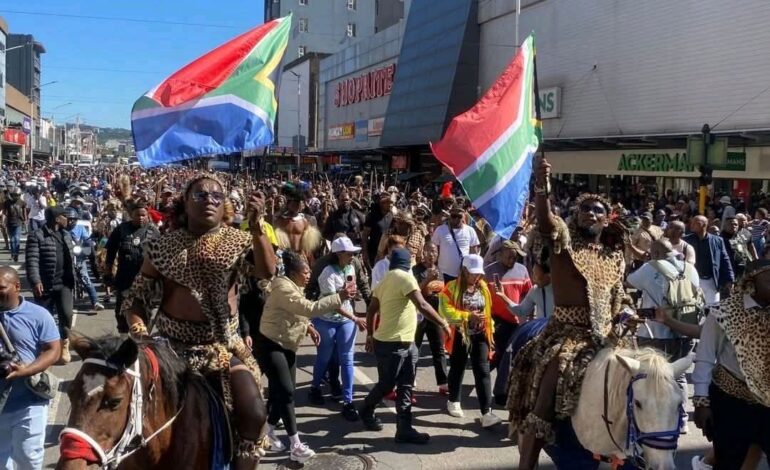
The backlash follows weeks of demonstrations in several South African cities, where protesters demanded tougher action against undocumented migrants accused of operating informal businesses, straining public services, and competing for scarce jobs in an already fragile economy. In Durban this week, hundreds marched through the streets calling on authorities to tighten immigration enforcement, while similar campaigns in recent months have targeted access to public clinics and hospitals.

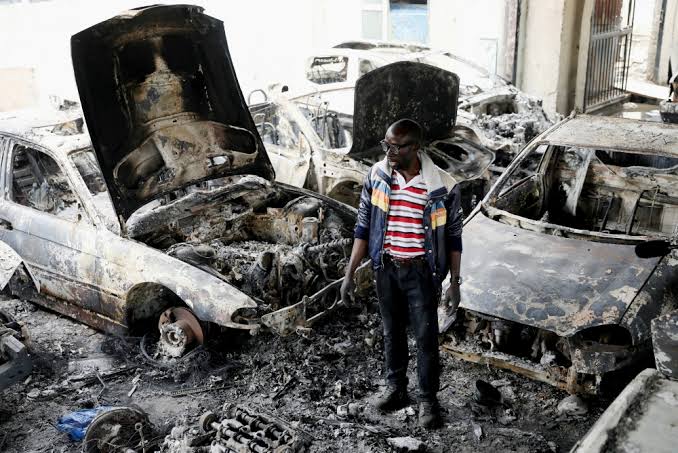
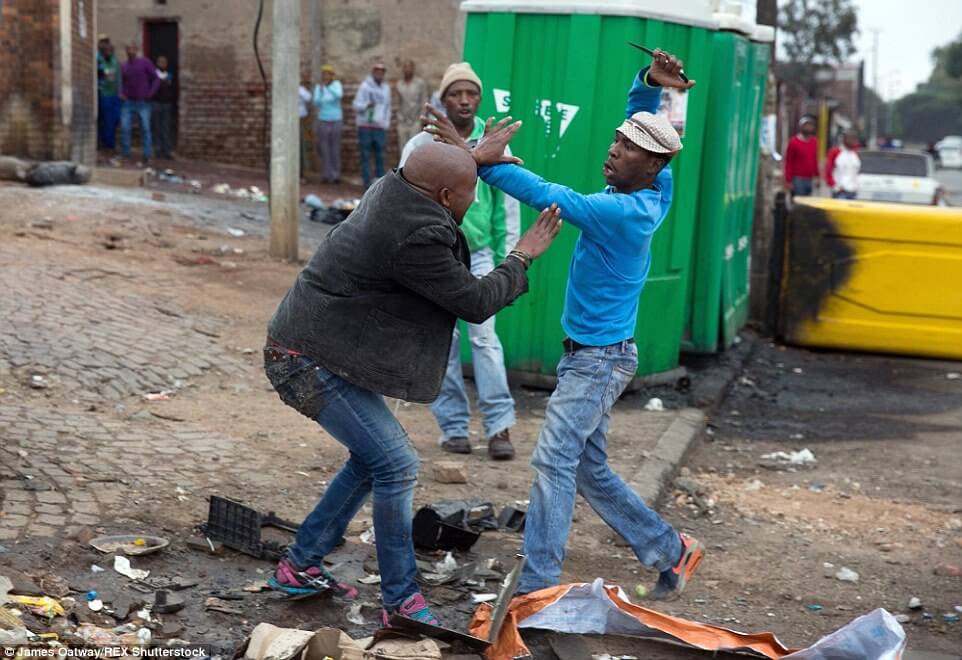
The scenes have reignited painful memories of previous waves of anti-foreigner violence that shook the country and damaged its image across Africa.

Presidential spokesperson Vincent Magwenya dismissed claims that South Africans are broadly xenophobic, arguing that the protests represent isolated expressions of social frustration within a constitutional democracy.

“What you have is pockets of protest,” he said, adding that the issue is being oversimplified by foreign critics.
But outside South Africa, patience is wearing thin. Nigeria has already announced emergency voluntary repatriation plans for some of its citizens, citing growing fear among migrant communities. Ghana also summoned South Africa’s envoy after reports of harassment and intimidation targeting foreign nationals.

The controversy comes at a difficult moment for South Africa’s economy. The country continues to battle one of the world’s highest unemployment rates, particularly among young people, while inequality, crime, and pressure on public services remain politically explosive issues. In many low-income communities, undocumented migration has increasingly become a lightning rod for wider frustrations over governance and economic stagnation.
Yet Pretoria is also shifting part of the responsibility back onto the continent itself.
Following talks between President Cyril Ramaphosa and Mozambique’s President Daniel Chapo, South African officials argued that African nations must confront the deeper crises pushing people to migrate in the first place. They pointed to conflict, political instability, weak governance, and collapsing economic opportunities across parts of the continent as major drivers of migration into South Africa.
The message was blunt: migration pressures will not disappear unless the root causes are addressed.
South Africa remains one of Africa’s biggest destinations for migrants, refugees, and asylum seekers due to its relatively advanced economy and regional influence. Millions from countries including Zimbabwe, Mozambique, Nigeria, Ethiopia and the Democratic Republic of Congo have sought work or refuge there over the years.
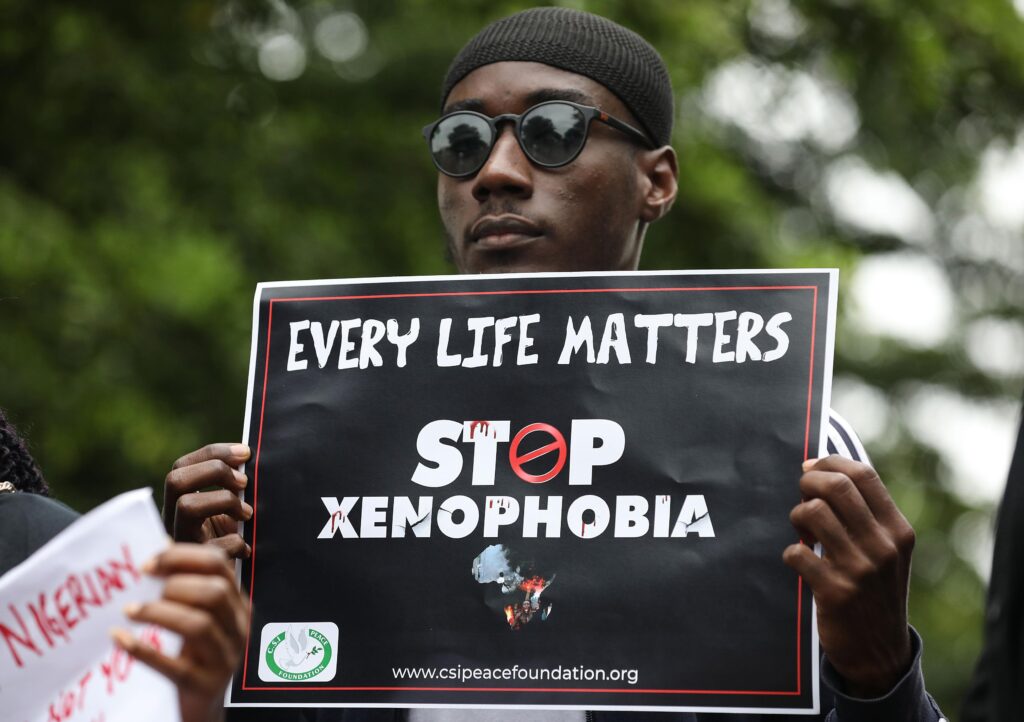
But as economic conditions tighten and political rhetoric hardens, the country is facing growing pressure to balance border control, regional diplomacy, and human rights obligations – all while trying to avoid another full-scale social explosion.
For many observers, the crisis is no longer just about immigration. It is becoming a test of whether African solidarity can survive mounting economic strain, nationalism, and public anger in one of the continent’s most influential nations.
RELATED: