Faith Nyasuguta
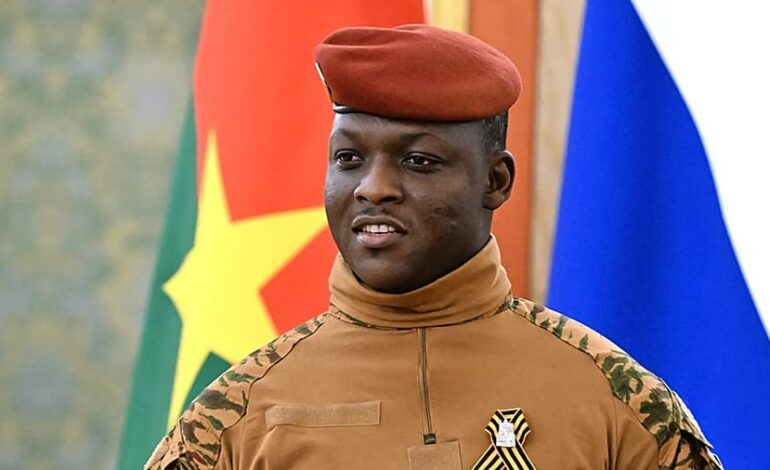
Burkina Faso has once again turned up the heat on foreign media, suspending broadcasts of French channel TV5 Monde over allegations of “disinformation” and the “glorification of terrorism.” The decision, announced by the country’s media regulator, takes immediate effect and adds to a growing list of restrictions targeting international outlets.
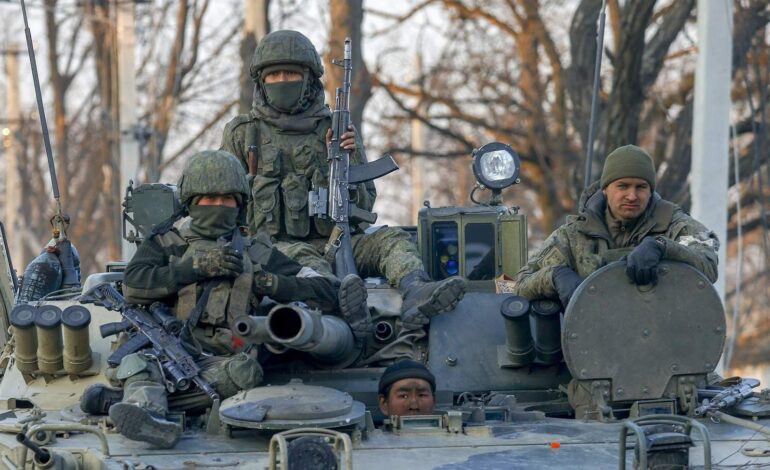
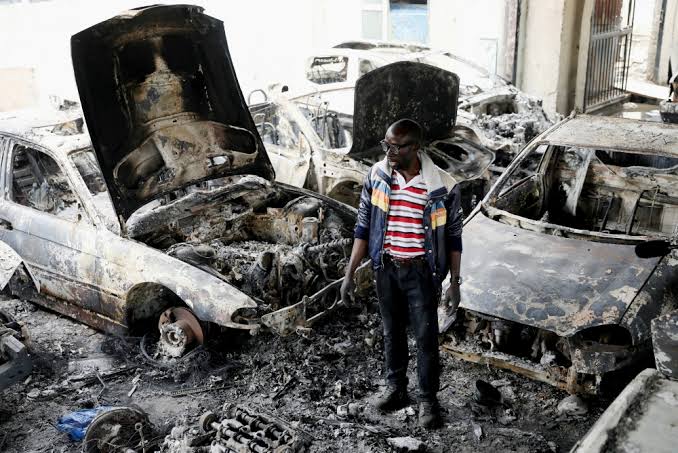
At the center of the fallout is coverage of recent deadly attacks in neighboring Mali, a fellow member of the Alliance of Sahel States. Authorities in Ouagadougou argue that the reporting crossed the line – accusing the channel of distorting facts, undermining national security efforts, and portraying extremist violence in a way that could be seen as sympathetic or sensationalized.

According to Wendingoudi Louis Modeste Ouedraogo, head of the Superior Council of Communication, the suspension followed “numerous breaches of the law, ethics and professional conduct” in reporting on counterterrorism operations. Officials say multiple news bulletins aired between April and May 2026 contained what they describe as misleading narratives and dangerous framing of militant activities.

This isn’t just about one broadcast – it’s part of a bigger, more aggressive stance. Burkina Faso, alongside Mali and Niger, has been steadily pushing back against Western influence, both militarily and in the information space. The three junta-led governments, now aligned under the Alliance of Sahel States, have made it clear they are rewriting the rules of engagement – not just on the battlefield, but in the media landscape too.

And TV5 Monde isn’t alone. Over the past two years, a string of international outlets have found themselves in the crosshairs. In 2024, Burkina Faso suspended several global media organizations, including BBC and Voice of America, following their coverage of a Human Rights Watch report alleging abuses by the national army. German broadcaster Deutsche Welle and publications like The Guardian were also caught in the crackdown.
Each suspension has followed a similar script: authorities cite bias, misinformation, or threats to state security in foreign media coverage – while critics warn of a steady erosion of press freedom.
The latest move comes as the Sahel region faces an intensifying insurgency crisis. Armed groups linked to extremist networks continue to launch attacks across vast, under-governed territories. In that context, governments are increasingly sensitive to how these conflicts are portrayed – especially when narratives originate from outside their borders.
For Burkina Faso’s leadership, controlling the story has become just as important as controlling territory. But that approach raises uncomfortable questions: where is the line between protecting national security and silencing scrutiny?
As the information battlefield expands, one thing is clear – this isn’t just a fight against insurgents anymore. It’s also a battle over who gets to tell the story, and whose version of reality the world believes.
RELATED: