Faith Nyasuguta
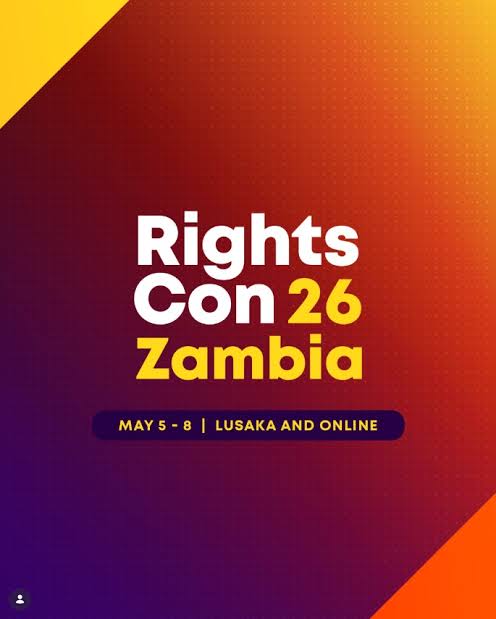
Zambia has abruptly cancelled one of the world’s largest gatherings on human rights and technology, just days before it was set to begin in Lusaka. The decision to halt the RightsCon 2026 summit – expected to bring together more than 2,600 activists, policymakers, and technologists – has triggered widespread criticism and raised fresh concerns about shrinking civic space on the continent.
The event, organised by Access Now, was scheduled to run from May 5 to 8 and would have marked the first time the globally recognised conference was hosted in Southern Africa. Originally welcomed by the Zambian government, the summit was intended to tackle urgent issues shaping the digital age, including online censorship, artificial intelligence, surveillance, internet shutdowns, and disinformation.

However, in a last-minute reversal, the government announced that the conference would no longer proceed. Thabo Kawana, Permanent Secretary in the Ministry of Information and Media, stated that the cancellation was necessary to allow time to ensure the event “aligns with Zambia’s national values, policy priorities, and broader public interest considerations.”
The explanation has done little to calm criticism. Civil society leaders and rights advocates have described the move as a direct attack on freedom of expression and assembly. Linda Kasonde argued that the decision reflects a troubling shift in governance. “When the current administration came into power, they were a government of rule of law and democracy. What we are seeing is a slow degradation of rights – of freedom of expression and the right to assemble,” she said.

Kasonde also linked the move to Zambia’s upcoming general elections in August 2026, suggesting that restrictions on public gatherings may be part of a broader strategy to control political space. “We go to the polls in August 2026… In the run-up, the government has steadily been putting in place laws that make it easier to win and entrench power post-election,” she noted.
The cancellation has also sparked speculation about external pressure influencing the decision. Local reports have pointed to possible concerns related to China, particularly given that the conference venue had been donated by Beijing and that delegates from Taiwan were expected to attend. While no official confirmation has been provided, the timing has raised eyebrows among observers.

For organisers, the impact has been immediate and severe. In a strongly worded statement, Access Now said it had spent months working with authorities to ensure transparency. “We see this unilateral decision, and the way it was taken, as evidence of the far reach of transnational repression targeting civil society, and effectively shrinking the spaces in which we operate,” the organisation said, calling the experience “unprecedented and existential.”
Beyond the political implications, the cancellation has had real consequences for participants. Many had already secured visas, flights, and accommodation. Karna Kone, who was due to speak on digital censorship, described the disruption as both financial and emotional. “Travelling from West Africa is very expensive and a lot of logistical work. It’s a loss in terms of money and of energy,” he said.
Others emphasized the missed opportunity for collaboration. Chioma Agwuegbo noted that RightsCon offered a rare platform to develop solutions to pressing challenges. “At a time when civic space across the continent is increasingly shrinking, this incident reflects a troubling pattern where compliance mechanisms are weaponised to restrict convening, dialogue and dissent,” she said.
The summit was also expected to spotlight issues affecting marginalized groups, including women, LGBTQ+ communities, and those advocating for sexual and reproductive health rights. Martha Dimitratou described the situation as deeply ironic. “It is deeply ironic that a conference dedicated to strengthening rights and participation in digital spaces is being shut down in this way,” she said.
Legal experts warn that the implications extend far beyond Zambia. Sibongile Ndashe cautioned that such actions could set a dangerous precedent across the region. “If cancellation of conferences becomes normalised, it is human rights groups that will progressively find it hard to convene,” she warned.
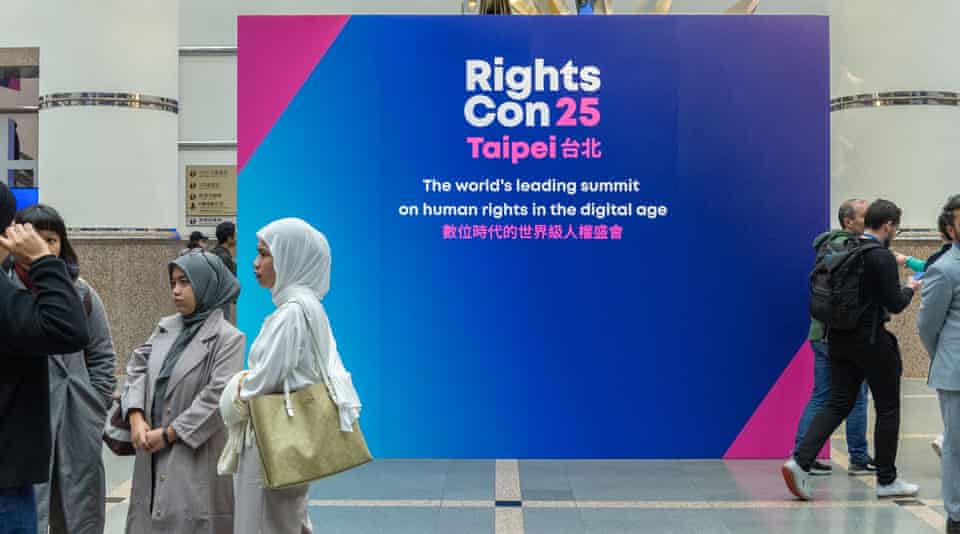
For Zambia, the fallout may include reputational damage. The country had positioned itself as a democratic leader in the region, and hosting RightsCon was seen as a milestone moment. Its sudden cancellation now raises difficult questions about governance, international partnerships, and the future of open dialogue.
As the dust settles, one thing is clear: what was meant to be a landmark gathering on digital rights has instead become a defining moment in the ongoing debate over freedom, power, and civic space in Africa.
RELATED: