Faith Nyasuguta

France is intensifying efforts to secure new uranium supplies in Africa, turning to Botswana after losing control of a major mining asset in Niger. The shift highlights a growing global race for nuclear fuel as countries ramp up clean energy ambitions and reduce dependence on volatile supply chains.
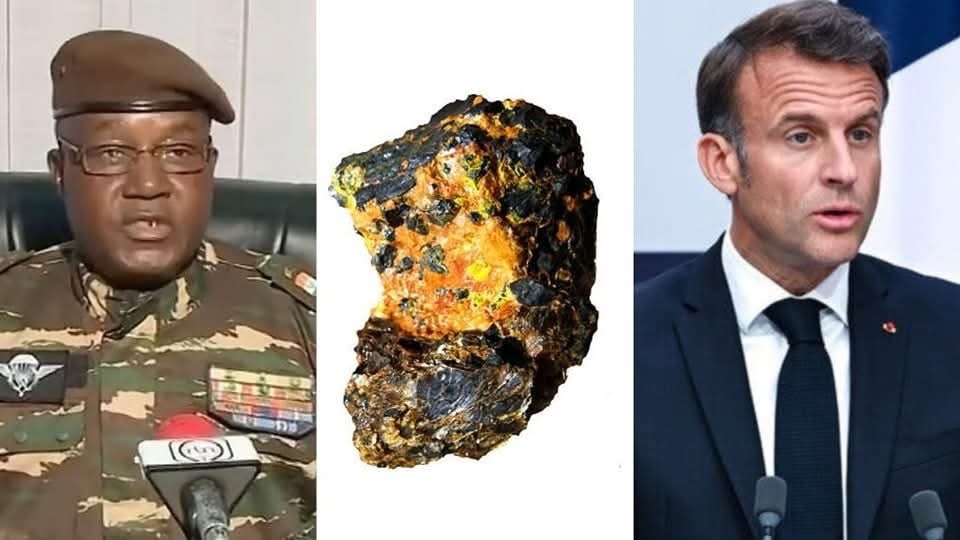
At the center of the transition is French state-backed nuclear company Orano, which is seeking to rebuild its African uranium portfolio following a dramatic fallout with Niger’s military government. The dispute led to the nationalisation of the SOMAIR uranium mine, where Orano previously held a 63.4% stake. The takeover marked a significant blow to France, which has long relied on Niger as a key supplier of uranium to power its extensive nuclear energy sector.

The breakdown in relations followed the 2023 coup in Niger, after which the ruling junta cut ties with France and accused it of exploiting the country’s natural resources for decades. Authorities in Niamey defended the nationalisation as a sovereign decision, arguing that uranium wealth had benefited foreign powers more than local communities. The move also left an estimated 1,500 metric tonnes of uranium, valued at around $270 million, in limbo at the SOMAIR site.

Faced with this disruption, France is now exploring alternative sources, with Botswana emerging as a promising candidate. Traditionally known for its diamond industry, Botswana has been quietly positioning itself as a future uranium producer. Geological estimates suggest the country could hold up to 800,000 tonnes of uranium, including the vast Letlhakane deposit, one of the largest undeveloped uranium resources globally.
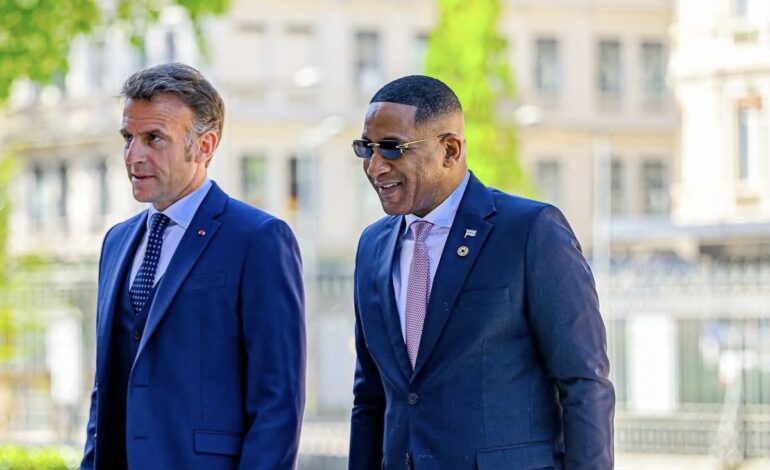
Recent high-level engagements signal growing momentum behind this pivot. Senior Orano executives were part of a French delegation that met Botswana’s President Duma Boko in Paris, highlighting increasing diplomatic and commercial interest in the southern African nation. The discussions, held alongside business forums organised by French industry groups, point to a strategic effort to deepen cooperation in the mining sector.
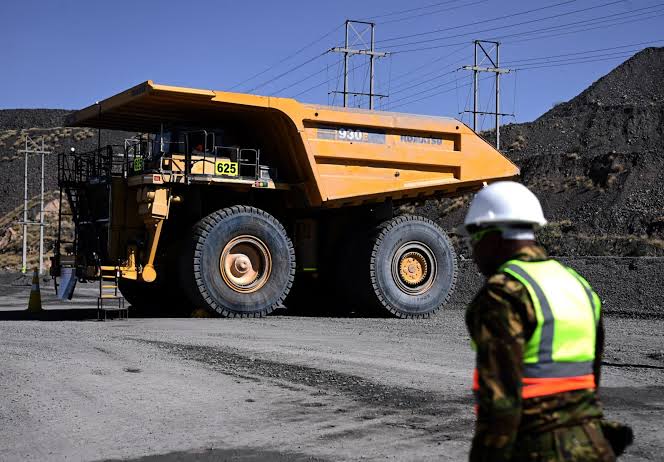
Orano has already taken concrete steps on the ground, securing exploration licences covering approximately 15,000 square kilometres in Botswana’s Ghanzi district. While the country has explored uranium development since the late 2000s, progress has been slow due to regulatory, financial, and environmental considerations. However, declining diamond revenues in recent years have pushed Botswana to diversify its mineral economy, making uranium a more attractive prospect.
The timing of France’s move is critical. Global demand for uranium is rising sharply as countries expand nuclear energy capacity to meet climate targets and reduce reliance on fossil fuels. Europe, in particular, is seeking to stabilise its supply chains amid geopolitical tensions and shifting alliances.
French President Emmanuel Macron has openly called for stronger uranium partnerships, including increased imports from Kazakhstan, the world’s largest producer. At the same time, Orano is expanding its footprint beyond Africa. In the United States, the company’s subsidiary has secured significant funding under a $2.7 billion programme aimed at boosting uranium enrichment capacity, including plans for a new facility in Tennessee.
These parallel efforts highlight the urgency of securing reliable uranium sources. The loss of Niger has exposed vulnerabilities in France’s supply chain, forcing a rapid recalibration of its strategy. Botswana, with its untapped reserves and political stability, now represents a potential cornerstone of that shift.
However, challenges remain. Developing uranium mines requires significant investment, strict regulatory oversight, and long-term infrastructure planning. Environmental concerns and public scrutiny could also shape the pace and scale of future projects.
Even so, the geopolitical significance of uranium is becoming increasingly clear. As nuclear energy re-emerges as a central pillar of global energy transition strategies, access to uranium resources is turning into a high-stakes contest.
France’s pivot to Botswana is not just about replacing lost supply – it reflects a broader realignment in how global powers engage with Africa’s mineral wealth. In this evolving landscape, countries like Botswana are no longer just resource holders, but strategic players in the future of energy.
RELATED: