Faith Nyasuguta

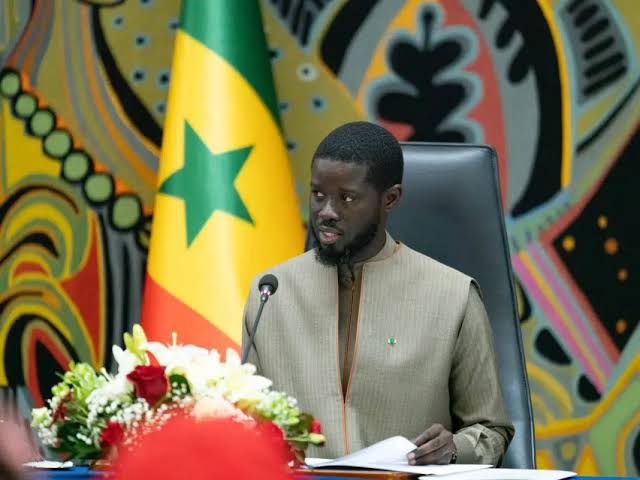
Senegal has imposed a ban on all non-essential foreign travel for government ministers as rising global oil prices place growing pressure on the country’s finances. Prime Minister Ousmane Sonko announced the directive during a youth address, warning that the cost of oil has surged to nearly double what had been projected in the national budget.
As part of the austerity measures, Sonko has postponed his own planned trips to Niger, Spain, and France, signalling a broader effort by the government to curb spending. Additional cost-cutting measures are expected, with the mines ministry set to outline further steps aimed at stabilising public finances in the coming days.

The decision reflects the wider economic strain caused by global energy market disruptions, partly linked to escalating tensions involving Iran. Despite recent developments in its oil and gas sector, Senegal remains heavily dependent on imported fuel, making it particularly vulnerable to external price shocks.

In his remarks, Sonko sought to strike a balance between caution and reassurance, telling young people he did not want to alarm them but rather to offer perspective on what he described as an increasingly difficult global environment. He emphasised resilience, noting that while the situation is challenging, Senegal has the capacity to navigate the crisis.

The oil price surge comes at a delicate time for the West African nation. While the International Monetary Fund recently described Senegal’s economy as robust, with growth approaching 8% and relatively low inflation, the country’s public debt remains a major concern. Currently estimated at over 130% of GDP, the debt burden has limited the government’s fiscal flexibility. Sonko has attributed much of this challenge to policies inherited from the previous administration.
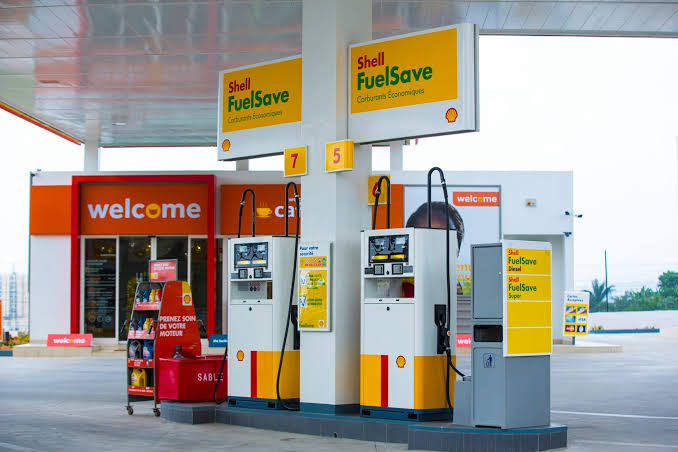
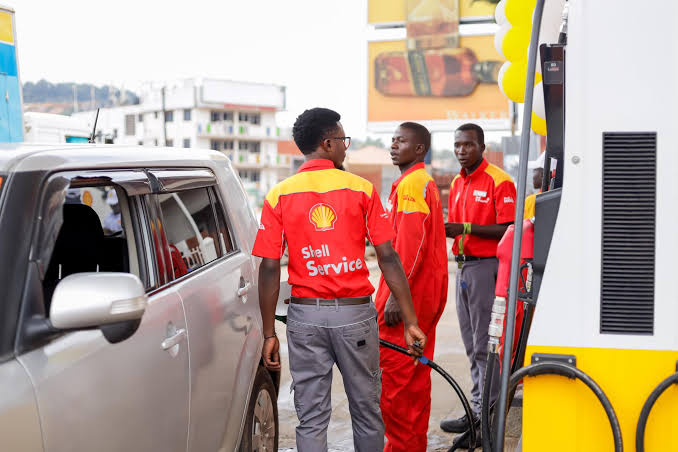
Senegal’s response mirrors a broader trend across Africa, where governments are scrambling to cushion their economies from rising energy costs. In South Africa, authorities have reduced fuel taxes to limit price increases at the pump. Ethiopia has faced fuel shortages severe enough to send some public workers on leave, while South Sudan has introduced electricity rationing in its capital, Juba. Zimbabwe, meanwhile, is increasing ethanol blending in petrol to reduce reliance on imports.

Beyond fuel, the crisis is also affecting global supply chains. Disruptions in the Strait of Hormuz have constrained fertiliser shipments, a critical input for agriculture. Humanitarian organisations warn that reduced fertiliser availability could trigger a food security crisis, particularly in East Africa, where many countries rely heavily on imports.
As Senegal moves to tighten spending, the government’s latest measures underscore the growing impact of global energy volatility on African economies – and the difficult balancing act between fiscal discipline and economic stability.
RELATED: