Faith Nyasuguta

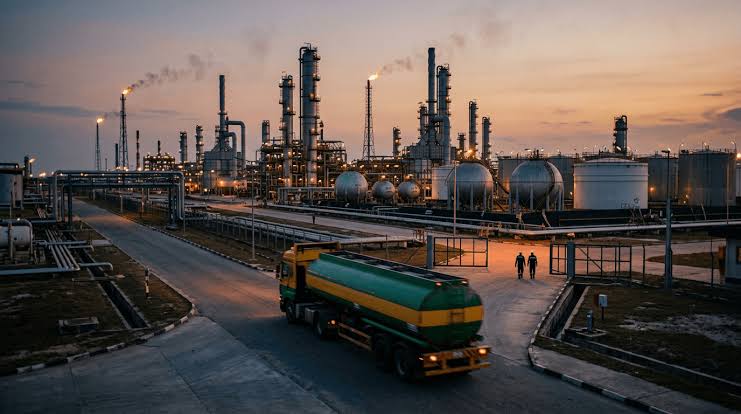
Nigeria is rapidly emerging as a continental fuel powerhouse as the Dangote Petroleum Refinery ramps up exports across Africa, stepping into a supply gap created by ongoing global energy disruptions linked to tensions in the Middle East. The refinery’s latest shipments signal a turning point not only for Nigeria’s energy sector but also for how African countries source refined fuel.
In a significant milestone, the refinery confirmed the sale of 12 cargoes of petroleum products totaling 456,000 tonnes to five countries: Cote d’Ivoire, Cameroon, Tanzania, Ghana, and Togo. The shipments, sold through international traders on a Free on Board basis, highlight the refinery’s growing reach beyond Nigeria’s domestic market and into key regional economies.

This export push comes shortly after the refinery reached its full production capacity of 650,000 barrels per day, enabling it to meet both local demand and supply neighbouring markets. With global shipping routes facing uncertainty, particularly around strategic chokepoints like the Strait of Hormuz, African countries are increasingly seeking closer and more reliable fuel sources – positioning Nigeria as a strategic alternative.

The shift marks a broader transformation in Africa’s fuel trade. For decades, many countries depended heavily on imports from Europe and the Middle East, often facing long supply chains, high transportation costs, and exposure to geopolitical risks. Dangote’s growing export capacity is now helping to shorten these supply chains, reduce vulnerability to global shocks, and improve access to fuel across the continent.

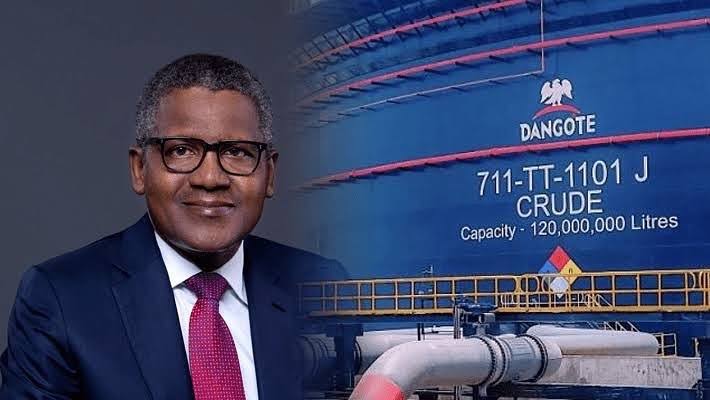
Another key factor driving demand is the refinery’s production of high-quality, Euro V-standard petrol and diesel. These cleaner fuels offer a significant upgrade for markets that have historically relied on lower-grade imports, making Dangote’s products increasingly attractive to both governments and private distributors.
For Nigeria, the refinery’s rise carries major economic and strategic benefits. It is helping reduce the country’s long-standing dependence on imported refined fuel, easing pressure on foreign exchange reserves, and strengthening energy security. Officials have also positioned Nigeria as a critical player in global energy supply diversification, particularly as traditional supply routes face disruption.

However, the global oil shock has not left Nigeria untouched. Domestic petrol prices have surged sharply, rising from around N870 per litre to nearly N1,500 in some areas, reflecting the broader impact of volatile crude markets. In response, authorities are accelerating alternative energy initiatives, including the rollout of compressed natural gas (CNG), to cushion consumers.
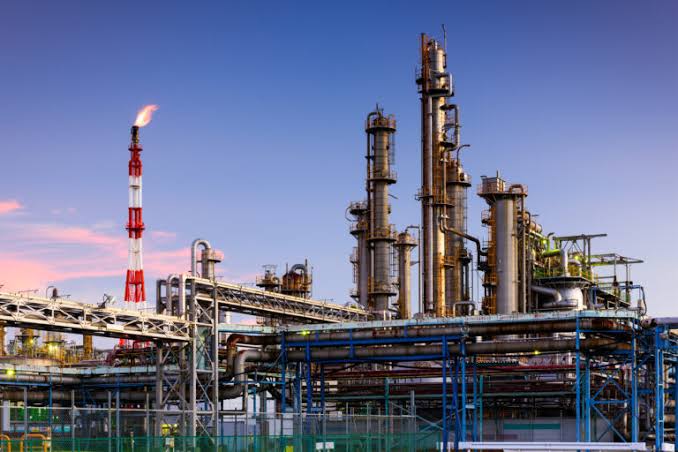
Despite these challenges, the Dangote refinery’s expanding footprint represents a defining shift. Nigeria is no longer just a major oil producer -it is fast becoming a key supplier of refined fuel across Africa. As exports scale and networks deepen, the refinery is set to play a central role in reshaping the continent’s energy landscape at a critical moment for global markets.
RELATED: