
Wayne Lumbasi

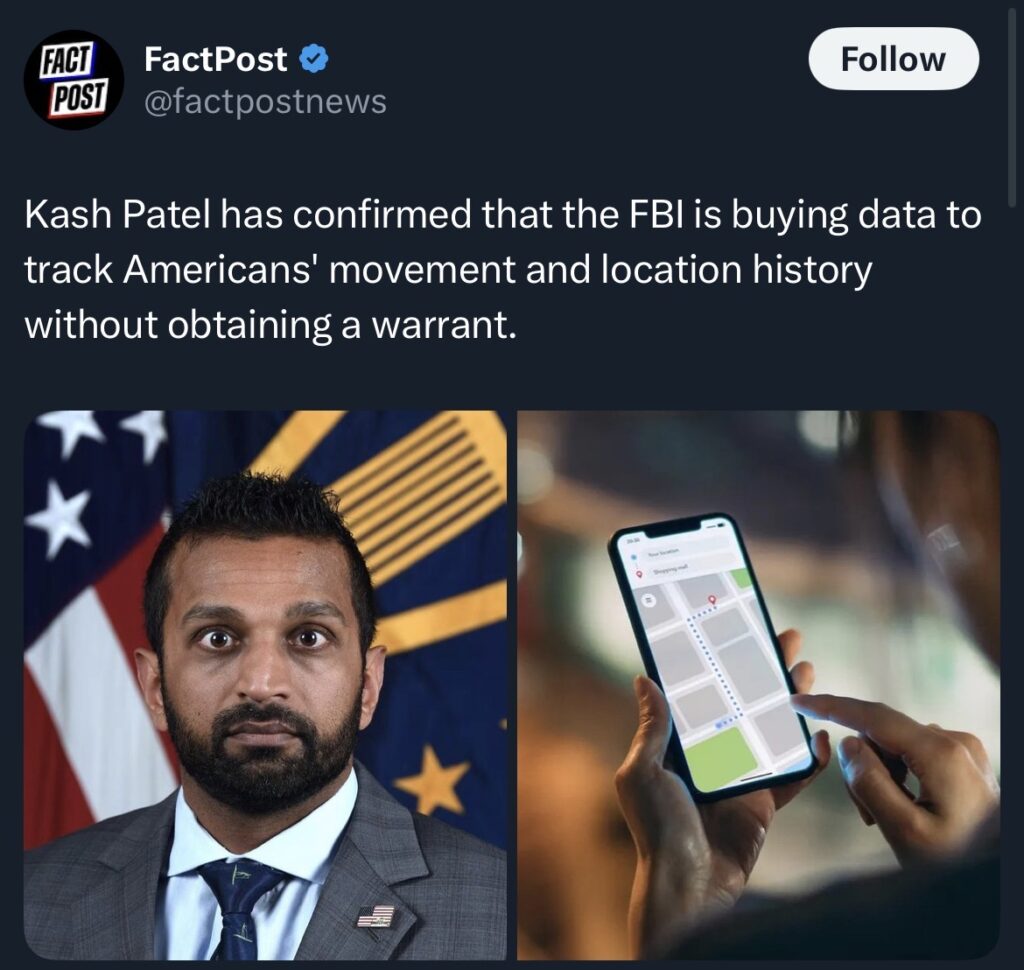
The Federal Bureau of Investigation has confirmed that it purchases commercially available location data capable of tracking the movements of Americans, igniting a fierce debate over privacy, legality, and the limits of state surveillance. The disclosure, made during testimony before the U.S. Senate Intelligence Committee, marks one of the clearest acknowledgments yet of how intelligence agencies are leveraging the booming data economy.
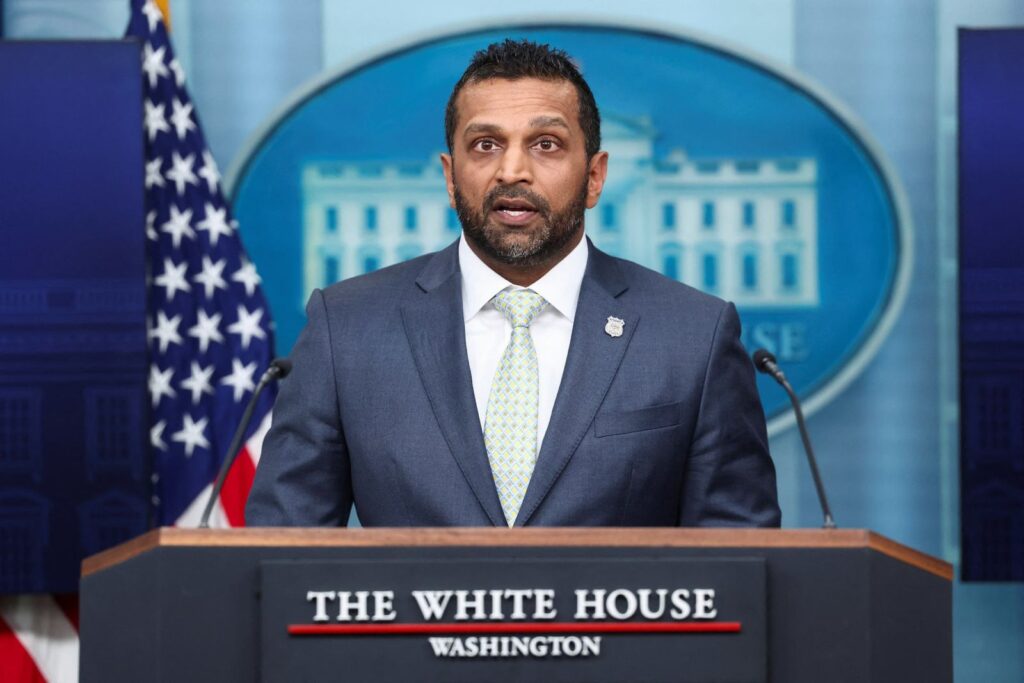
FBI Director Kash Patel told lawmakers that the bureau acquires data from private brokers and uses it in investigations and national security operations. He maintained that the practice is lawful, emphasizing that the information is commercially available and not obtained through direct surveillance of telecommunications providers. Still, the admission has intensified concerns that the government is accessing deeply personal information without traditional legal safeguards.

At the center of the issue is a vast data marketplace built on smartphone usage. Everyday mobile applications including weather, navigation, and social media platforms collect precise location data through GPS, Wi-Fi, and cell tower signals. This data is then aggregated and sold by brokers, often under the label of being anonymized. However, experts warn that such datasets can be easily re-identified, allowing analysts to trace individuals’ movements, routines, and even sensitive activities with striking accuracy.

The controversy is largely rooted in constitutional concerns. The Fourth Amendment to the United States Constitution requires law enforcement to obtain a warrant before conducting certain types of surveillance. In a landmark 2018 ruling, the U.S. Supreme Court reinforced this principle by mandating warrants for access to historical cellphone location data held by telecom companies. Critics argue that purchasing similar data from private brokers effectively allows agencies to bypass that requirement, creating what they describe as a dangerous legal loophole.

The backlash from lawmakers has been swift. Senator Ron Wyden has been particularly outspoken, accusing federal agencies of sidestepping constitutional protections by exploiting the commercial data market. He and other legislators are now pushing for reforms, including proposals such as the Government Surveillance Reform Act, which seeks to prohibit government agencies from buying sensitive personal data without judicial approval.
Civil liberties advocates warn that the implications extend far beyond individual cases. Location data can reveal visits to hospitals, religious institutions, political rallies, or private residences, effectively mapping a person’s life in detail. The concern is that without clear limits, such capabilities could enable large-scale surveillance, chilling free expression and eroding trust in public institutions.

The FBI, however, argues that its use of commercially available data is both necessary and proportionate in an era of evolving security threats. Officials say the ability to analyze digital footprints is critical in tackling terrorism, organized crime, and cyber threats, and that restricting access could hinder efforts to protect national security.
The issue reflects a broader shift in how surveillance is conducted in the digital age. As private companies collect unprecedented volumes of user data, governments are increasingly able to access detailed personal information through commercial channels rather than court orders. This evolving dynamic is now forcing policymakers to confront a fundamental question: whether existing legal frameworks are sufficient to protect privacy in a world where data is constantly generated, traded, and analyzed.
RELATED: