Faith Nyasuguta

Senegal has moved to toughen its stance on homosexuality after lawmakers approved a controversial new law that could send people to prison for up to 10 years and impose fines reaching 10 million CFA francs (about $17,000).
The legislation, passed with overwhelming support in the National Assembly of Senegal, sharply escalates penalties for consensual same-sex relationships in a country where homosexuality was already criminalized. Until now, the maximum prison sentence stood at five years.

Under the revised law, the penalties double and the crackdown goes further. The bill also introduces punishment for anyone accused of promoting, funding, or supporting homosexuality, widening the scope of the state’s legal reach beyond individuals to activists, organizations and potential allies.

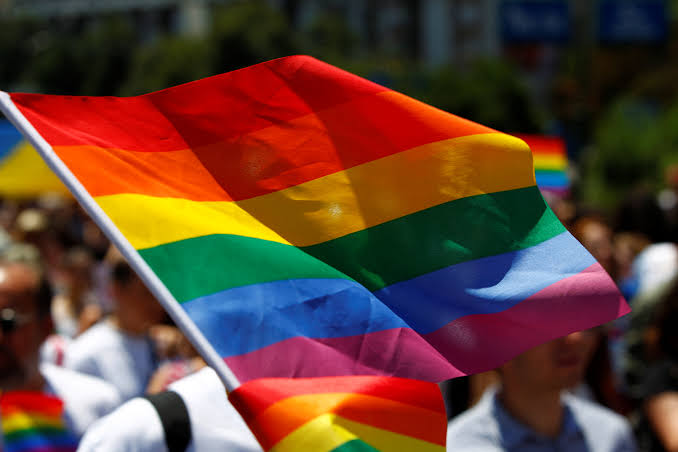
The measure reflects a growing political consensus within Senegal that stronger restrictions are necessary to defend what leaders describe as the country’s social and religious values.

Ousmane Sonko, Senegal’s prime minister and one of the most influential voices backing the legislation, brushed aside criticism from international rights groups and Western governments during earlier debates.
“Those in the opposition who are stirring things up will go to their Western masters and say, look how bad they are,” Sonko said, framing foreign criticism as external interference in domestic affairs.

The debate inside parliament was heated – and at times incendiary. During deliberations, lawmaker Diaraye Ba delivered one of the most controversial remarks, declaring that homosexuals “should no longer be allowed to breathe in Senegal.” The statement drew condemnation from human rights advocates but echoed the hardline tone of parts of the political debate.
Across much of Senegalese society, opposition to homosexuality remains deeply rooted.
Religion and tradition exert strong influence over public attitudes in the predominantly Muslim West African nation. Conservative religious leaders and civil society groups have long campaigned for tougher laws against homosexuality, and public demonstrations supporting stricter measures have taken place in recent months.
Media commentary within Senegal has largely reflected this sentiment, often portraying LGBTQ rights as an issue pushed by foreign governments and international organizations rather than a domestic social movement.
For many Senegalese, the controversy has become intertwined with broader questions about sovereignty and cultural identity.
A survey conducted by the Pew Research Center in 2013 found that 97 percent of respondents in Senegal believed homosexuality should not be accepted by society, one of the highest levels of opposition recorded anywhere in the world.
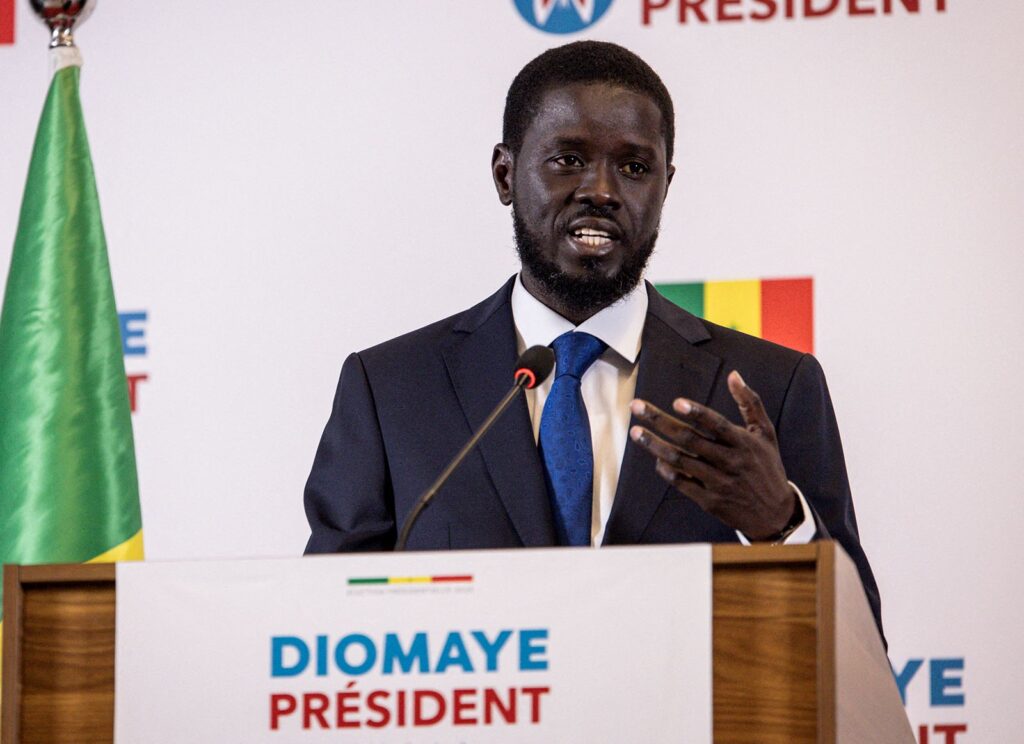
Those attitudes have continued to shape the country’s political landscape, where politicians from across the spectrum rarely challenge the prevailing conservative position. Still, the new legislation could place Senegal under growing international scrutiny.
Some analysts warn that tightening anti-LGBTQ laws could complicate relations with Western partners and international donors that emphasize human rights protections in diplomatic engagement and development cooperation. For now, however, domestic politics appear firmly on the side of the crackdown.
Once signed into law by the president, the measure will further entrench Senegal among the African countries that have recently strengthened legal penalties targeting LGBTQ communities – highlighting a widening global divide over how governments approach issues of sexuality, rights and cultural identity.
RELATED: