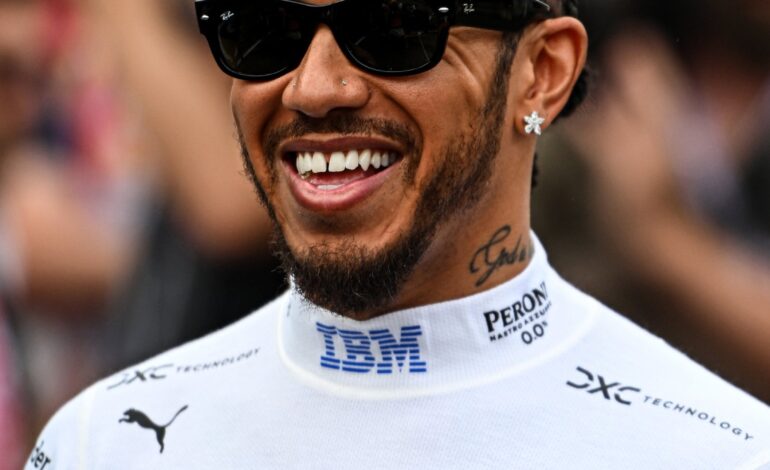
Faith Nyasuguta

In a sport defined by speed, precision and relentless competition, Lewis Hamilton has added yet another milestone to an already legendary career. The British driver has become the first competitor in Formula One history to lead at least one race in 20 consecutive seasons, a record that further cements his place among the greatest drivers the sport has ever seen.
The achievement highlights Hamilton’s extraordinary longevity at the top level of motorsport. Since making his debut in Formula One in 2007, Hamilton has remained a constant presence at the front of the grid, competing across multiple eras of the sport while adapting to sweeping changes in technology, regulations and team dynamics.

Hamilton first led a race during his rookie season with McLaren, immediately signaling that a new star had arrived in the championship. Over the years that followed, he built a reputation for relentless pace, strategic intelligence and remarkable consistency, traits that would eventually carry him to multiple world titles.

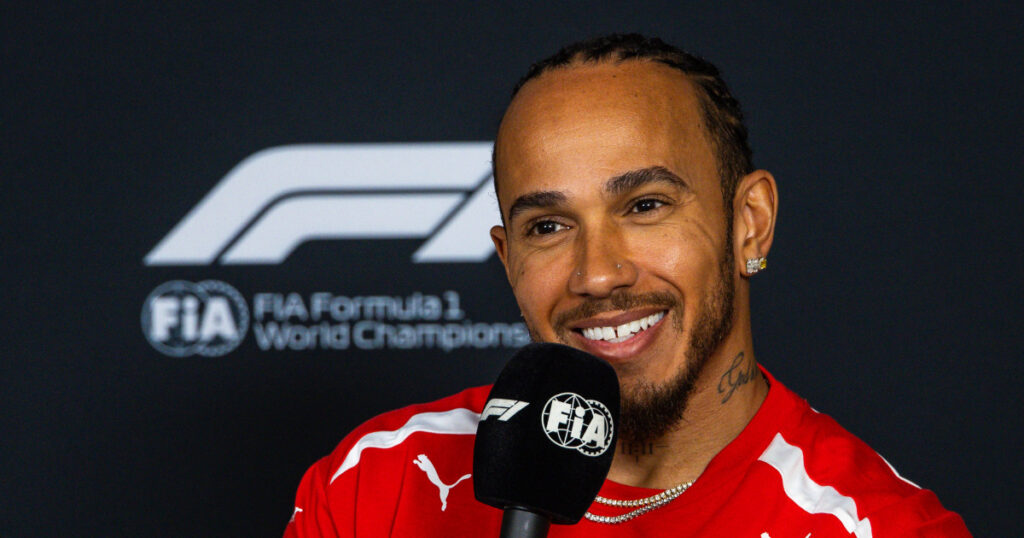
The British driver’s dominance reached its peak during his time with Mercedes-AMG Petronas Formula One Team, where he formed one of the most successful partnerships in the history of the sport. During that era, Hamilton captured the majority of his championships and broke several long-standing records, including the all-time marks for race wins and pole positions.

His success has placed him alongside legends such as Michael Schumacher, whose dominance defined a previous era of Formula One. For years, Schumacher’s achievements were widely viewed as untouchable. Yet Hamilton has not only matched several of those milestones but, in many cases, surpassed them.
The new record of leading races in 20 consecutive seasons reflects more than just speed. In Formula One, leading a race requires a combination of factors: competitive machinery, flawless race strategy, tactical overtaking and a driver capable of delivering under intense pressure. Maintaining that level of performance across two decades is almost unheard of in modern motorsport.

Hamilton’s career has unfolded during a period of enormous transformation within Formula One. The sport has seen sweeping changes in hybrid engine technology, evolving aerodynamics, cost-cap regulations and a new generation of drivers pushing for supremacy. Despite these shifts, Hamilton has consistently remained a contender.
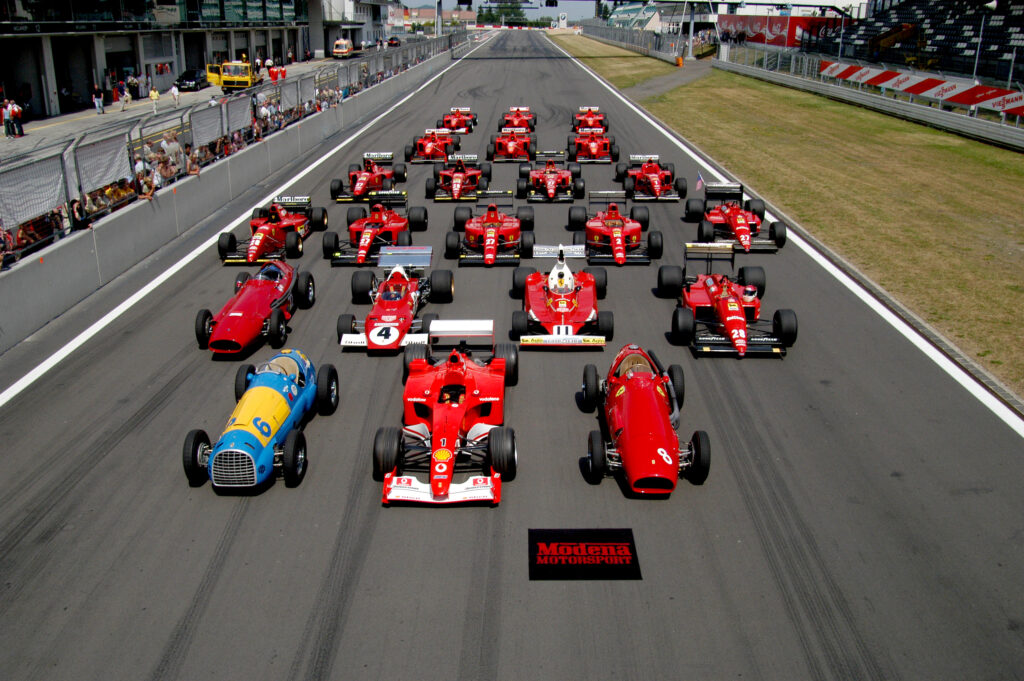
Beyond the statistics, Hamilton’s influence extends far beyond the racetrack. Over the years he has become one of the most recognizable figures in global sport, using his platform to speak on issues ranging from diversity in motorsport to environmental sustainability.
His journey from a young karting prodigy in the United Kingdom to a global sporting icon has inspired a new generation of drivers and fans around the world. Hamilton has also been a strong advocate for increasing diversity in racing, launching initiatives aimed at opening pathways for underrepresented groups in motorsport engineering and competition.
Even as younger talents continue to emerge in Formula One, Hamilton’s ability to remain competitive deep into his career remains one of the sport’s most remarkable stories. Longevity at this level demands exceptional fitness, mental resilience and an unrelenting drive to improve.
With this latest milestone, Hamilton has once again demonstrated why he remains one of the defining figures of modern motorsport. Leading races across 20 straight seasons is not simply a statistic – it is a reflection of two decades spent at the very forefront of the fastest and most demanding racing championship in the world.
RELATED: