Faith Nyasuguta

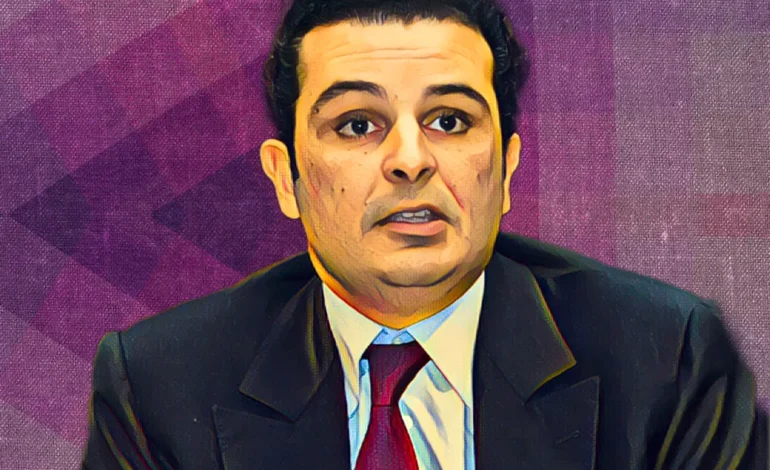
Marouan Mabrouk, long regarded as Tunisia’s most powerful tycoon, has been sentenced to 20 years behind bars in a sweeping corruption case that cuts deep into the country’s political and financial establishment. Once untouchable, the billionaire now finds himself at the center of a ruling that could redefine the post-revolution order.
Mabrouk is not just any executive. He is the son-in-law of former president Zine El Abidine Ben Ali and a towering figure in banking, telecommunications, retail, and automotive distribution. While many figures tied to the old regime fled during the 2011 uprising, Mabrouk stayed. He rebuilt, consolidated, and expanded – holding stakes in BIAT Bank, partnering with French telecom giant Orange and controlling one of Tunisia’s largest supermarket chains.

But prosecutors argue that his empire was not built on market forces alone.

The charges include money laundering, siphoning funds from state-owned enterprises, and securing illicit advantages through political connections – particularly during the tenure of former Prime Minister Youssef Chahed. Chahed himself was sentenced for authorizing the lifting of a freeze on Mabrouk’s overseas assets. Six former ministers were handed six-year prison terms for related offenses, widening the net around what authorities describe as a coordinated system of privilege and protection.
Mabrouk has been in detention since late 2023. For years, critics accused successive governments of shielding him, arguing that the revolution dismantled political faces but left financial power structures intact. This verdict suggests that era may be closing – or at least being challenged.
The ruling lands squarely within President Kais Saied’s aggressive anti-corruption campaign. Since dissolving parliament in 2021 and consolidating executive authority in moves opponents labeled a power grab, Saied has framed his leadership as a moral correction. In 2022, he launched a reconciliation committee tasked with reclaiming billions allegedly siphoned from public coffers. Saied has claimed the state is owed at least $5 billion, though no official recovery figures have been publicly confirmed.
For supporters, Mabrouk’s sentencing signals long-delayed accountability. For critics, it raises fresh questions about selective justice and political timing.
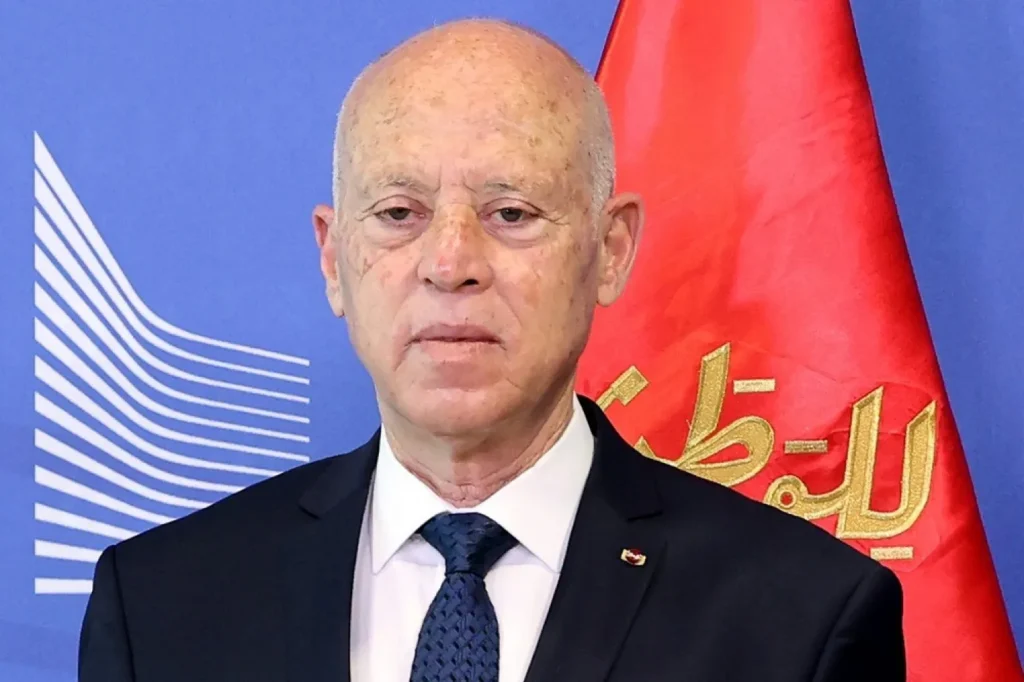
Either way, Tunisia’s richest man is no longer insulated by wealth or legacy. A titan of the old guard has fallen -and the message to the country’s elite is unmistakable.
RELATED: