Wayne Lumbasi
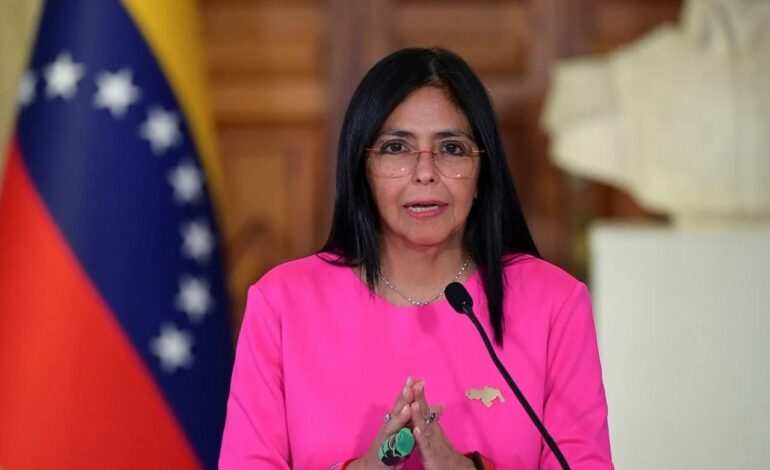
The United States has expressed growing uncertainty over whether Venezuela’s interim president, Delcy Rodriguez, will fully cooperate with U.S. priorities as the country enters a volatile transition period following the removal of former president Nicolas Maduro.
Intelligence assessments from the United States indicate concern that Rodriguez may resist making decisive changes to Venezuela’s foreign policy, particularly when it comes to long-standing ties with Russia, China and Iran. Those relationships were central to sustaining the Maduro government through years of sanctions and diplomatic isolation and remain intact weeks after the change in leadership.

Rodriguez assumed office earlier this month after U.S. forces captured Maduro, a move that dramatically altered Venezuela’s political trajectory and reopened direct engagement between Caracas and the United States. Since then, Venezuela has taken steps that signal partial cooperation, including the release of political detainees and approval of oil transactions involving U.S. companies.

Despite these moves, Venezuela has not announced the suspension of diplomatic, military or economic cooperation with Moscow, Beijing or Tehran. The United States has made clear that reducing the influence of these countries in Venezuela is a central objective of its engagement, viewing their presence as a strategic challenge in the region.
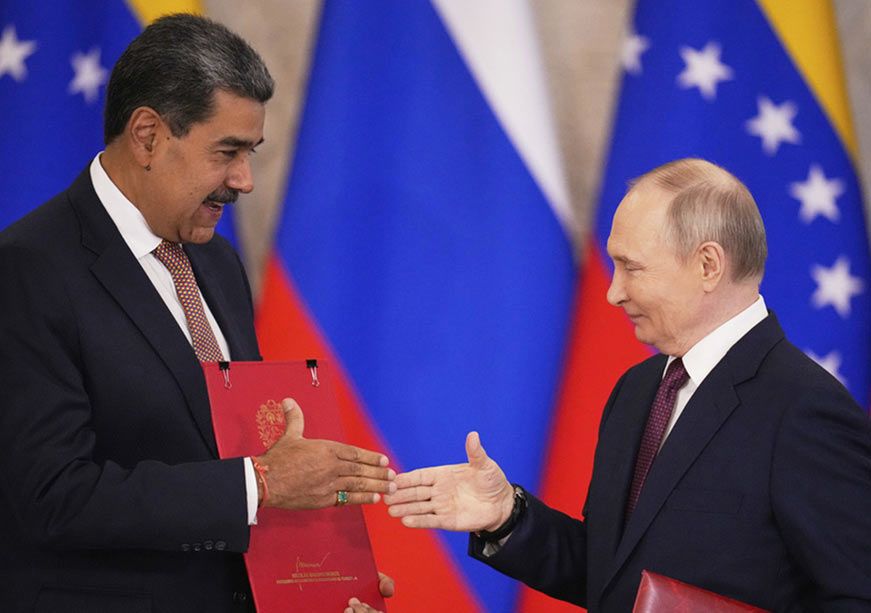
Public statements from Rodriguez suggest limits to how far that cooperation may go. She has repeatedly emphasized Venezuela’s sovereignty and rejected external direction, saying the country’s political future should be determined domestically rather than shaped by foreign governments.
Direct talks between the United States and Venezuela took place in Caracas earlier this month, focusing on political stability, energy cooperation and security arrangements. However, U.S. intelligence reporting suggests uncertainty remains over whether Venezuela’s interim leadership represents a clean break from past policies or a recalibration designed to preserve key international partnerships.
The situation has prompted the United States to broaden its engagement across Venezuela’s power structure while preparing for a prolonged transition. Reports indicate the United States is positioning itself for a sustained intelligence and diplomatic presence in the country as the political environment remains unsettled.
As Venezuela navigates its post-Maduro phase, relations with the United States remain open but uncertain. Intelligence assessments suggest the direction taken by RodrÃguez in the coming weeks especially regarding ties with Russia, China and Iran will shape the future of U.S. and Venezuela relations and determine whether cooperation deepens or fractures.
RELATED: