Faith Nyasuguta

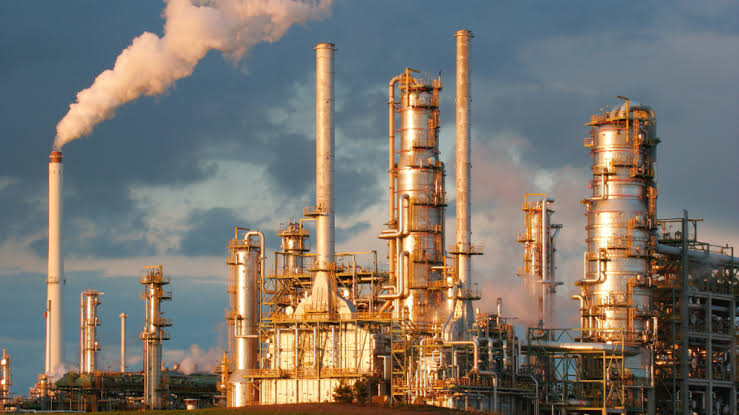
Uganda’s long-delayed national oil refinery project has entered its most decisive chapter yet, with the government edging closer to sealing a $4 billion partnership with a United Arab Emirates backed investor. The deal, now moving toward a Final Investment Decision (FID), could dramatically reshape fuel supply patterns in East Africa and position Uganda as a key regional refining hub.
After more than a decade of setbacks, shifting partners, and stalled negotiations, fresh momentum has emerged following the signing of critical agreements between the Uganda National Oil Company (UNOC) and Alpha MBM Investments LLC, a Dubai-based firm. Government officials say the agreements clear the way for detailed engineering work, financing arrangements, and regulatory approvals ahead of a targeted FID by July 2026.

The planned refinery, to be located in the oil-rich Albertine Graben, is designed to process up to 60,000 barrels of crude oil per day. Once operational, it is expected to significantly reduce Uganda’s reliance on imported petroleum products, a dependency that currently costs the country an estimated $2 billion annually in foreign exchange and contributes to domestic inflation pressures.


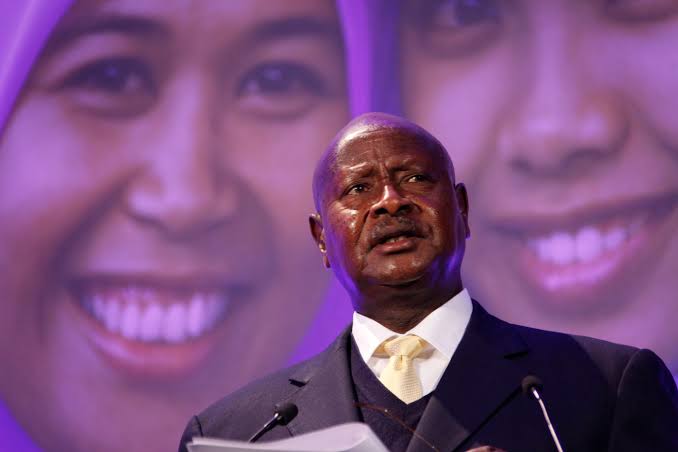
President Yoweri Museveni, who oversaw the signing ceremony at the State House in Entebbe, described the refinery as a cornerstone of Uganda’s long-term economic transformation strategy. He said the project reflects a deliberate push to move away from exporting raw materials and importing finished products – a pattern he has often criticised as a structural weakness across many African economies. According to Museveni, refining Uganda’s own crude locally is essential for industrialisation and sustainable growth.

Under the proposed ownership structure, Alpha MBM Investments will hold a 60 percent equity stake, while UNOC will retain 40 percent, according to the Uganda Investment Authority. Officials in Kampala say the arrangement demonstrates renewed investor confidence in Uganda’s oil sector after earlier partnerships failed to reach execution.
Beyond domestic benefits, the refinery is expected to have far-reaching regional implications. Uganda plans to supply refined petroleum products to neighbouring countries including South Sudan, eastern Democratic Republic of Congo, Rwanda, and Burundi. These markets currently depend heavily on fuel imports transported through Kenyan and Tanzanian ports, often at high logistical cost. A refinery in western Uganda could lower transport expenses, shorten supply chains, and improve fuel availability for several landlocked economies.

The project is advancing at a time when global energy markets remain unsettled, influenced by geopolitical tensions, supply disruptions, and rising demand in developing economies. In response, many African governments are prioritising domestic refining capacity as a way to strengthen energy security and capture more value from natural resources.
Uganda’s refinery ambitions fit squarely within that broader continental shift. Officials say the facility will complement upstream oil production and the planned crude export pipeline, helping anchor Uganda more firmly within regional and international energy trade networks.
Energy Minister Ruth Nankabirwa has highlighted the wider economic spillovers expected from the project. She said the refinery could generate thousands of direct and indirect jobs, while building local expertise in refining, petrochemicals, and related services. In addition, she noted that the facility could serve as a foundation for downstream industries such as fertiliser and petrochemical production, creating new opportunities for local companies to participate in supply chains.

Analysts argue that investments linked to the refinery – including storage terminals, pipelines, and industrial parks – could deepen Uganda’s manufacturing base, which remains relatively modest compared to its population size and development ambitions.
For Alpha MBM Investments, the deal reflects growing Gulf interest in African energy infrastructure, particularly government-backed projects supported by long-term demand growth. While large-scale refineries typically take several years to complete after an FID, Ugandan authorities believe early groundwork could help compress timelines.
Challenges remain, including complex financing requirements, infrastructure coordination, and evolving global attitudes toward fossil fuels. Still, with agreements signed and a clear roadmap in place, 2026 is emerging as a pivotal year for Uganda’s oil ambitions. If delivered as planned, the refinery could transform the country’s energy economics and cement its role as a regional fuel hub, with effects extending well beyond its borders.
RELATED: