Wayne Lumbasi

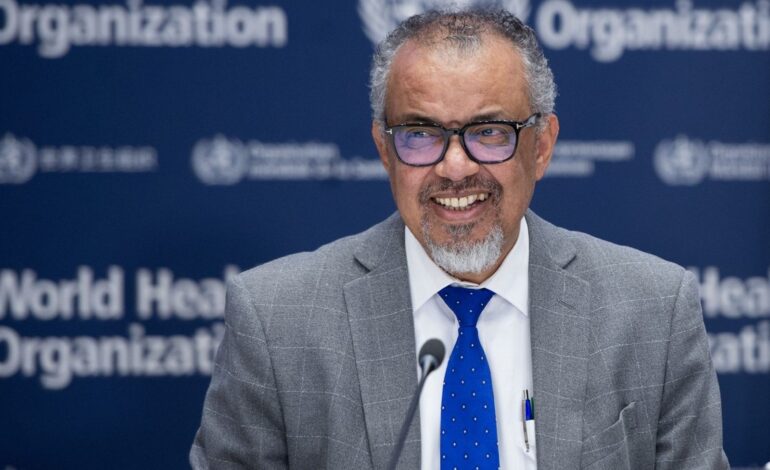
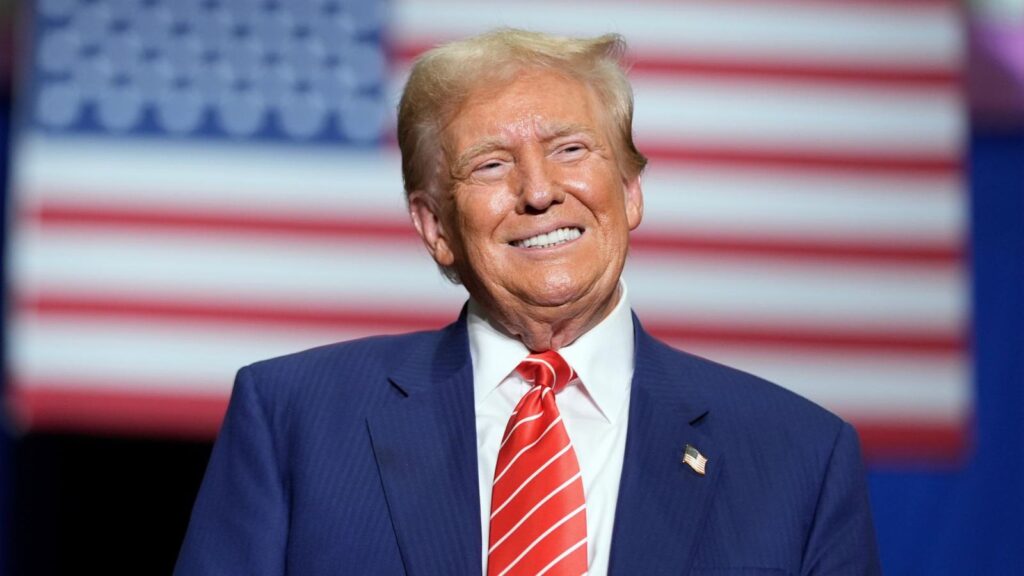
The United States has formally completed its withdrawal from the World Health Organization (WHO), ending nearly eight decades of membership and cutting off one of the agency’s most significant sources of funding in a move with wide-ranging global consequences.
The withdrawal took effect on January 22, 2026, after a one-year notice period. With the exit finalized, all U.S. financial contributions to the WHO have stopped, and American participation in the organization’s programmes, committees, and operations has ended.

The financial impact is substantial. The United States had been the WHO’s largest single national contributor, accounting for about 18 percent of the organization’s total budget. Between 2022 and 2023 alone, U.S. contributions amounted to approximately $1.3 billion, combining mandatory assessed dues and voluntary funding tied to specific health programmes. The sudden loss of this support has forced the WHO to adjust spending across multiple areas.

Beyond the funding cutoff, the U.S. departure leaves behind $260 million in unpaid assessed contributions covering the 2024-2025 period. These outstanding dues have added to the WHO’s financial strain, tightening cash flow and complicating budget planning at a time when the organization is already scaling back operations. The unpaid amount represents one of the largest arrears left by a departing member state in the WHO’s history.

The exit comes as the WHO manages a reduced programme budget of about $4.2 billion for 2026-2027, down from pre-pandemic levels of roughly $6.8 billion. The combined effect of the funding loss and unpaid dues has accelerated internal restructuring, programme reductions, and spending cuts across health initiatives.
Global health programmes are expected to feel the pressure most acutely. Reduced resources threaten efforts in disease surveillance, vaccination coordination, emergency response, and long-term public health support, particularly in low- and middle-income countries that rely heavily on international assistance. Gaps in funding may slow responses to outbreaks and weaken early-warning systems designed to detect emerging health threats.

The withdrawal also affects global health research and data sharing. The WHO has long served as a central platform for pooling epidemiological data and coordinating international studies. With the U.S. no longer involved, coordination challenges and delays in information exchange may emerge, potentially affecting preparedness for future pandemics.
As other countries and donors move to fill the financial gap, the U.S. exit marks a significant turning point in global health governance. The combination of lost funding, unpaid dues, and reduced collaboration is reshaping the WHO’s role and capacity, with long-term effects that are likely to be felt well beyond the organization itself.
RELATED: