Faith Nyasuguta

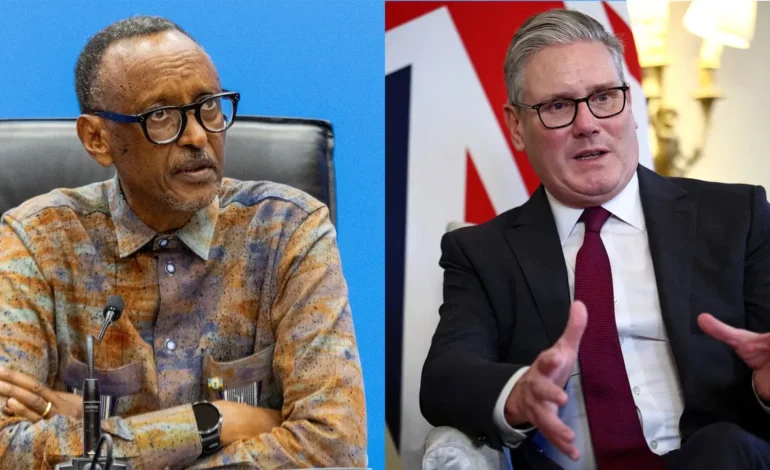
The United Kingdom has secured a major legal victory after an international tribunal ruled it will not be forced to pay Rwanda over the collapse of a controversial asylum relocation deal, shutting down Kigali’s claim for more than £100 million in compensation.
The ruling, delivered by the Permanent Court of Arbitration in The Hague, brings an end to months of legal dispute between the two governments over the now-defunct agreement that was once central to Britain’s immigration strategy.

Rwanda had argued that the UK breached contractual obligations when the Labour government, led by Keir Starmer, abandoned the policy shortly after taking office. Officials in Kigali claimed the sudden cancellation left Rwanda with significant financial losses after it had already invested heavily in preparing infrastructure and systems to process asylum seekers relocated from Britain.

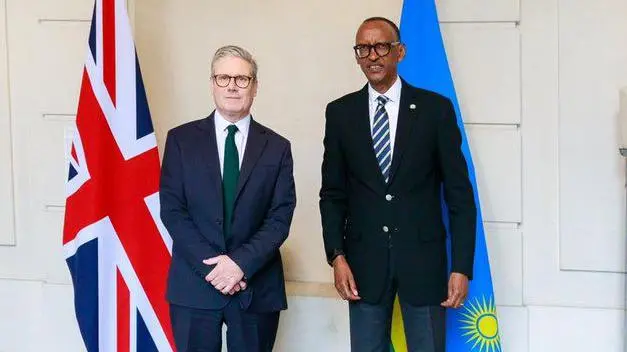
According to Rwandan authorities, the agreement had been treated in good faith, and the abrupt termination not only violated expectations but also caused diplomatic and economic disruption. Justice Minister Emmanuel Ugirashebuja told the court that Rwanda was “left to read about this development in the media,” accusing the UK of failing to provide prior formal notification before walking away from the arrangement.

However, UK lawyers firmly rejected the claims during the three-day hearing in the Netherlands, arguing that the change of government made the cancellation both lawful and inevitable. They maintained that it was “entirely logical” for the incoming administration to scrap a policy it had opposed, adding that no further payments were due under the terms of the agreement.
The court ultimately sided with the UK position, ruling that Rwanda was not entitled to the financial relief it had sought.

The now-collapsed scheme was first introduced in 2022 under then-Prime Minister Boris Johnson and later championed by Rishi Sunak as a flagship deterrent against illegal Channel crossings. The plan proposed transferring asylum seekers who arrived in the UK through irregular routes – often via safe third countries such as France – to Rwanda, where their claims would be processed instead.
If granted asylum status, individuals would remain in Rwanda rather than returning to the UK. The policy immediately sparked legal and political controversy, triggering multiple court challenges and widespread criticism from human rights organisations.
The first scheduled deportation flight in 2022 was famously halted minutes before departure after intervention by the European Court of Human Rights, setting off a prolonged legal battle that effectively paralysed the scheme.
Despite attempts to revive it, including a voluntary relocation programme launched in 2024 offering up to £3,000 for migrants to move to Rwanda, uptake was minimal, with only four people ultimately relocating under the initiative.
The policy was officially abandoned after Labour’s election victory in 2024, with Prime Minister Keir Starmer declaring the Rwanda plan “dead and buried” as part of a broader pledge to reform Britain’s asylum system.
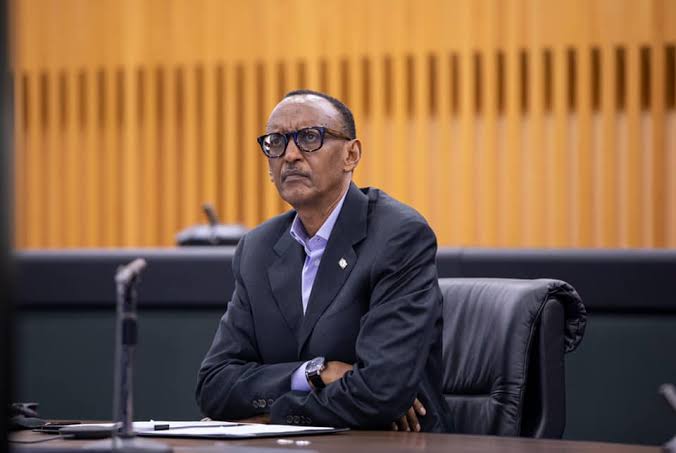
Reacting to the ruling, a UK government spokesperson said Britain had “robustly” defended its position, insisting the focus remains on strengthening border enforcement and speeding up removals of individuals with no legal right to remain in the country.
Meanwhile, refugee advocacy groups welcomed the legal clarity. The Refugee Council described the scheme as chaotic and ineffective, arguing that it stalled asylum processing and left vulnerable people trapped in uncertainty rather than delivering meaningful reform.
With the arbitration decision now concluded, both governments appear to be moving on from one of the most controversial migration experiments in recent UK foreign policy history.
RELATED: