Wayne Lumbasi

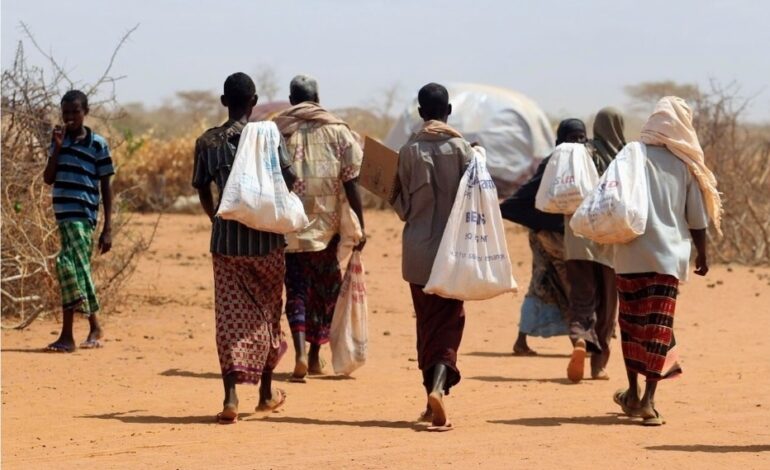
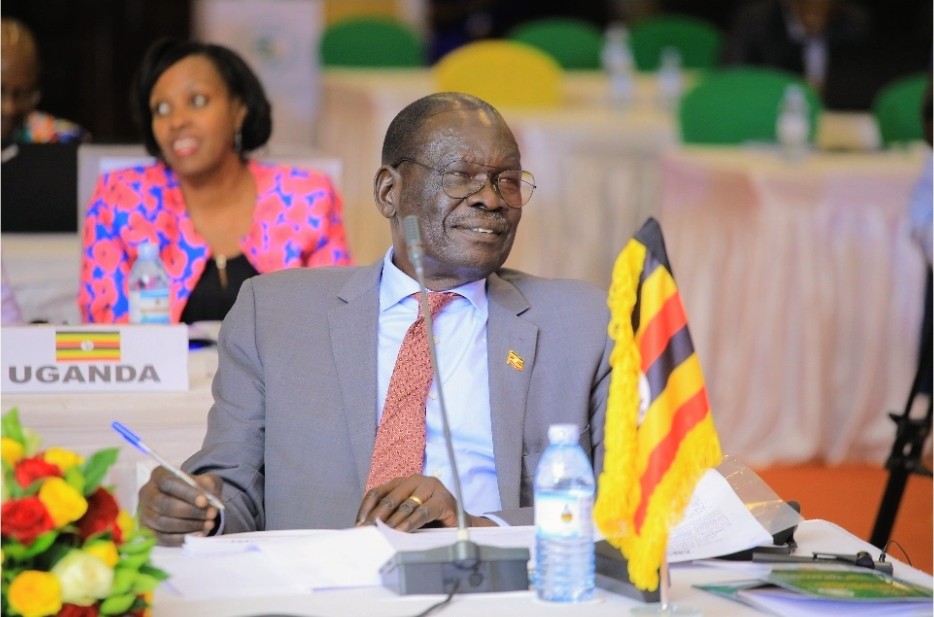
Uganda has announced that it will no longer grant refugee status to new arrivals from Ethiopia, Somalia, and Eritrea, marking a significant shift in its historically open-door refugee policy. The decision, made public by Hilary Onek, the Minister of Relief, Disaster Preparedness and Refugees, comes amid declining international support and growing financial pressures on the country’s refugee-hosting system.
According to the government, the suspension applies only to new applicants from the three countries, as those nations are currently not considered to be in active war zones. Existing refugees from Ethiopia, Somalia, and Eritrea will retain their status and continue to access services, including housing, education, and healthcare.

The ministry emphasized that the policy aims to prioritize asylum for individuals fleeing active conflicts in other regions, such as South Sudan, Sudan, and parts of the Democratic Republic of Congo.

Uganda has long been praised for its progressive refugee framework, which allows asylum seekers freedom of movement, the right to work, and access to land and public services. Over the years, the country has hosted nearly two million refugees, making it one of the largest refugee-hosting nations in Africa.

However, funding for refugee support has declined sharply, with contributions from the United Nations refugee agency falling from around $240 million annually to less than $100 million, and only $18 million allocated for 2025.
The announcement comes amid legal challenges. The High Court in Uganda recently suspended the implementation of a previous directive that sought to halt refugee registration for Eritrean and Ethiopian applicants.

Human rights groups argue that the suspension risks violating international principles of non-refoulement, which prevent returning individuals to countries where they may face persecution. The court’s order currently prevents authorities from enforcing the new restriction until the constitutional petition is fully resolved.
This policy shift underscores the growing strain on Uganda’s refugee system and reflects the challenges faced by countries balancing humanitarian responsibilities with limited resources. While the government frames the decision as necessary for sustainable management, it raises concerns for potential asylum seekers in the Horn of Africa, who may now face fewer legal pathways to safety.
UGANDA – A GIANT IN REFUGEES RESCUE
INFLUX OF DRC REFUGEES INTO UGANDA CREATES A HEALTH DISASTER
UGANDA RECEIVES AFGHANISTAN REFUGEES AFTER US PLEA
AFRICA LEADS & OFFERS AFGHANISTAN REFUGEES RELIEF