Wayne Lumbasi

The United States has issued a 30-day sanctions waiver allowing the purchase of Russian oil currently stranded at sea, a temporary move aimed at easing pressure on global energy markets as supply disruptions intensify amid escalating tensions in the Middle East.
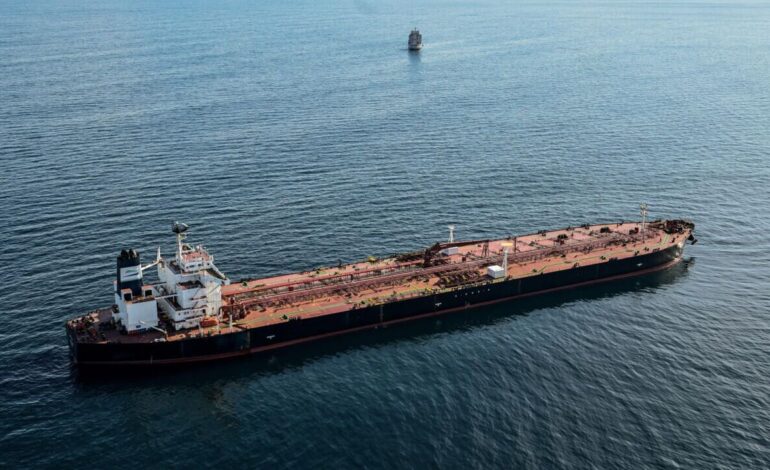
According to the U.S. Department of the Treasury, the waiver authorizes the delivery and sale of Russian crude oil and petroleum products that had already been loaded onto tankers before restrictions prevented them from reaching buyers. The temporary license allows these shipments to be completed over a 30-day period, after which the exemption will expire.

Officials said the measure is limited strictly to cargoes already in transit and does not represent a broader easing of sanctions imposed on Russia’s energy sector following the Russian invasion of Ukraine.

The decision comes as global oil markets face heightened volatility linked to the ongoing confrontation involving Iran, which has disrupted shipping routes and raised concerns about the security of supply from the Persian Gulf. The Strait of Hormuz, one of the world’s most critical maritime corridors for oil transport, has become a focal point of concern as tensions threaten to slow or halt tanker movements through the region.

Energy traders estimate that more than 100 million barrels of Russian crude and petroleum products had been stranded aboard tankers due to sanctions restrictions, logistical bottlenecks, and uncertainty among buyers and shipping companies. Allowing those shipments to be delivered could provide short-term relief to global markets struggling with rising prices and tightening supplies.
The temporary waiver also reflects growing concern among major economies about the impact of high energy prices on inflation and economic stability. Oil prices have surged above $100 per barrel in recent weeks, driven by fears of supply disruptions linked to the Middle East crisis and ongoing sanctions on Russian exports.

As part of broader efforts to stabilize the market, the International Energy Agency has coordinated the release of hundreds of millions of barrels of crude from emergency stockpiles held by member countries. The United States has also released oil from its strategic reserves to help ease supply shortages.
Despite its economic rationale, the waiver has sparked debate among policymakers who argue that allowing sales of Russian oil, even temporarily, could weaken international efforts to curb Moscow’s revenue from energy exports. Sanctions imposed by Western countries have targeted Russia’s oil trade in an effort to reduce funding available for its military operations in Ukraine.
U.S. officials maintain that the exemption is narrowly designed to address an immediate market disruption rather than alter the broader sanctions regime.
With geopolitical tensions continuing to disrupt energy flows and global demand remaining strong, the short-term waiver highlights the difficult balance governments face between maintaining political pressure on Russia and preventing a deeper global energy crisis.
RELATED: