Faith Nyasuguta

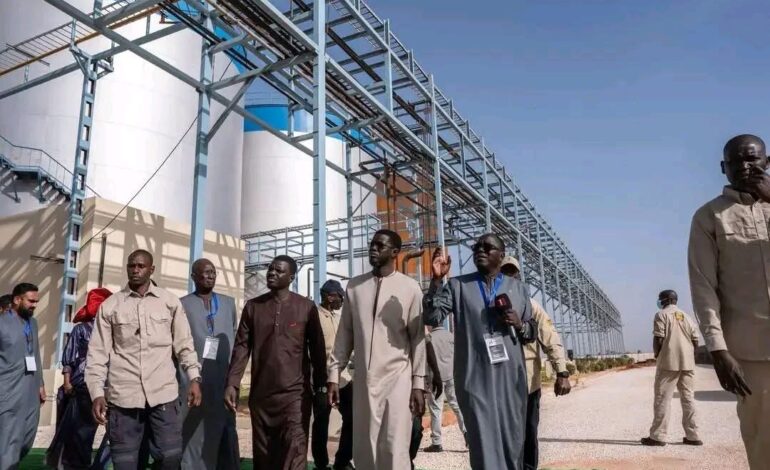
Senegal has officially inaugurated a massive edible oil refinery in a major industrial milestone aimed at strengthening food production, creating jobs and reducing the country’s dependence on imports.
The new facility, financed at a cost of 60 billion CFA francs, roughly $100 million, is among the largest agro-processing investments in the country in recent years. Built with the backing of the Mavamar Industrie group, the refinery has the capacity to produce 600 tons of edible oil per day, translating to approximately 180,000 tons annually. This scale of production is expected to significantly increase the availability of cooking oil on the domestic market and improve supply stability nationwide.

Authorities say the project is part of Senegal’s broader strategy to accelerate industrialisation and add value to locally produced agricultural commodities. Instead of exporting raw oilseeds and importing refined products at higher costs, the country is now focusing on processing more of its own resources at home. This shift is expected to reduce the national import bill and shield consumers from volatile international prices that often drive up the cost of basic food items.

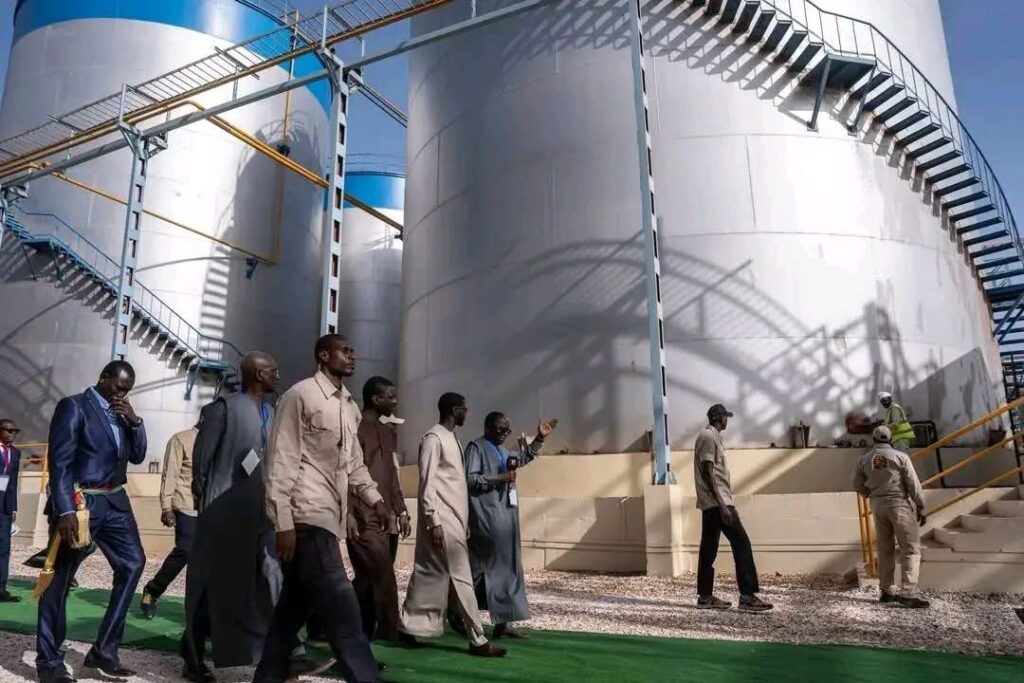
The refinery will process various oil-bearing crops, including groundnuts, which are widely grown across Senegal and remain one of the country’s most important cash crops. By increasing local processing capacity, the plant is also expected to create a reliable market for farmers, helping to stimulate agricultural production and improve rural incomes.

Job creation is another key benefit of the project. The facility is set to generate numerous direct employment opportunities across technical operations, plant management, logistics and maintenance. In addition, many indirect jobs are anticipated in supporting sectors such as transportation, packaging, distribution and supply chains. Local communities surrounding the refinery are expected to benefit from the expanded economic activity.
Mavamar Industrie described the refinery as a flagship project that demonstrates confidence in Senegal’s growing industrial potential. Company officials highlighted the use of modern technology and high safety standards to ensure efficient production and quality products that can compete both locally and regionally.

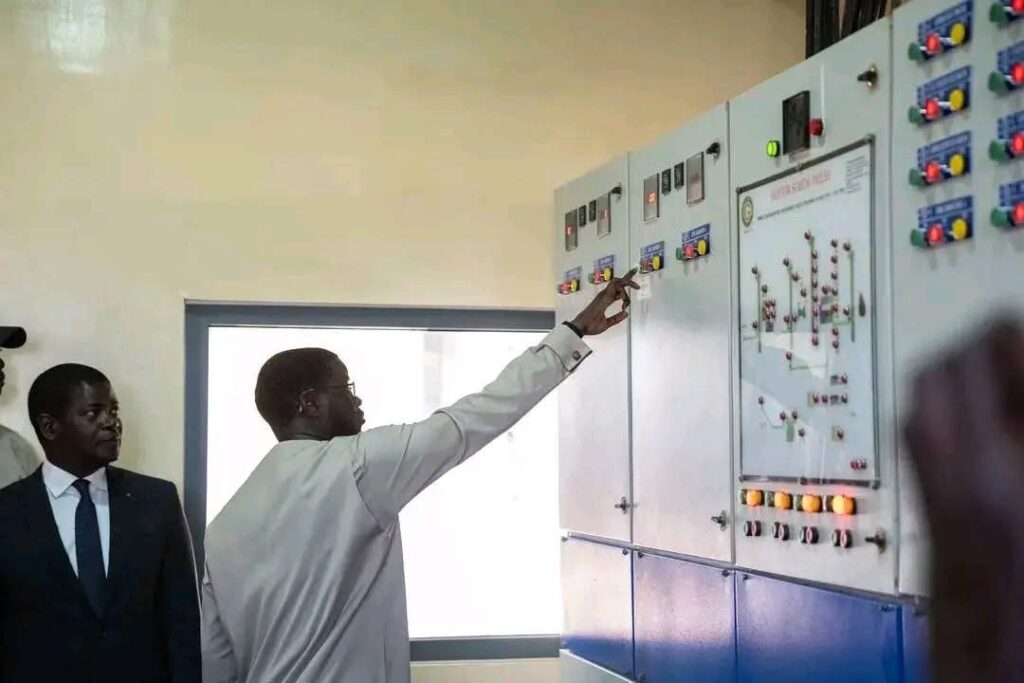
Government representatives at the inauguration ceremony emphasized that investments of this magnitude are central to Senegal’s ambition of becoming a regional manufacturing and processing hub. They noted that strengthening domestic industries will help drive long-term economic growth, boost exports of finished goods and improve national self-sufficiency.
With the refinery now operational, Senegal is positioning itself to better meet local demand while exploring opportunities to supply neighboring West African markets. The project marks a significant step forward in the country’s journey toward stronger industry, greater food security and sustainable job creation.
RELATED: