Faith Nyasuguta

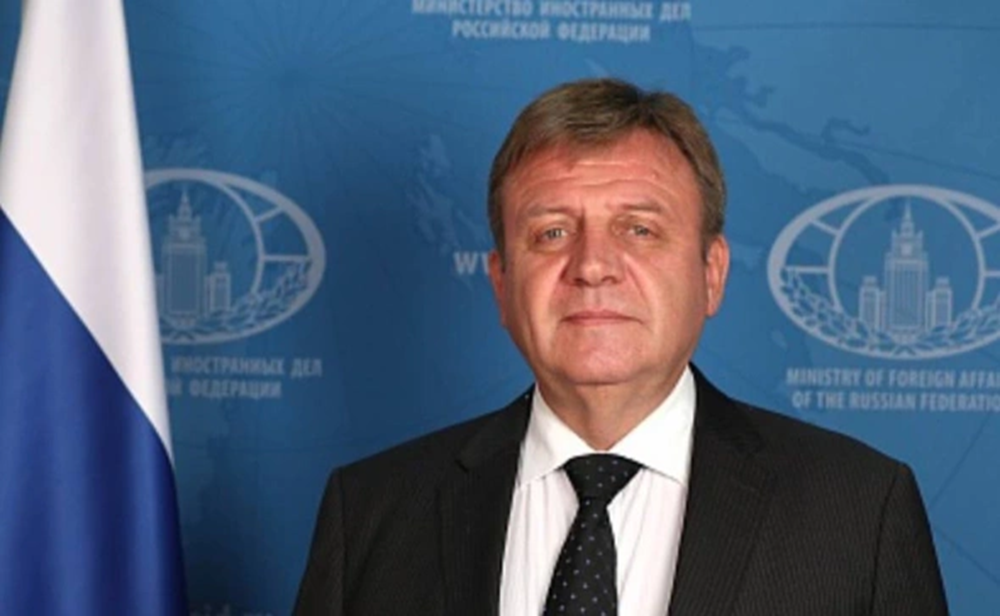
Russia has taken a significant step to consolidate its growing influence in Niger by appointing Viktor Voropayev as its first permanent ambassador to the country in more than 30 years, indicating a decisive shift in Niamey’s foreign alliances following the 2023 military takeover.
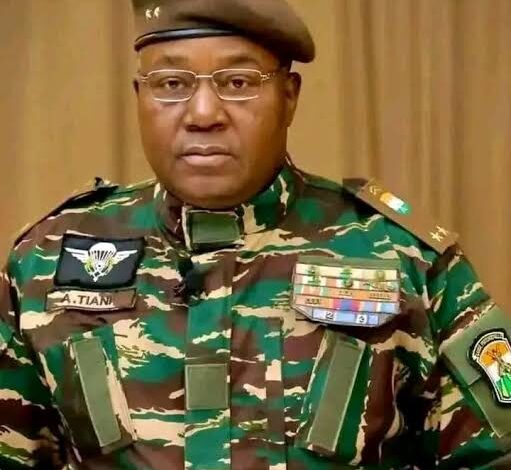
Voropayev’s appointment marks the formal restoration of a full-time Russian diplomatic presence in Niger’s capital, Niamey, decades after Moscow shut its embassy in September 1992. The move signals deepening political and strategic engagement between Russia and Niger’s military-led government, which seized power in a July 2023 coup that removed President Mohamed Bazoum.

Since the coup, Niger’s ruling authorities have moved swiftly to recalibrate the country’s external relationships. Long-standing ties with Western partners have weakened, while cooperation with Russia has expanded across political, security, and economic spheres. The trend mirrors developments in neighbouring Mali and Burkina Faso, where junta governments have also turned toward Moscow after severing or downgrading relations with France and other Western states.

Russia’s renewed diplomatic push comes at a time when France’s presence in Niger has all but vanished. In the wake of the coup, French diplomats were expelled and the embassy’s operations were effectively suspended amid growing anti-French protests and rhetoric. French officials later acknowledged that the mission could no longer operate under normal conditions, marking a dramatic rupture with a country that had long been central to Paris’ influence in the Sahel.

Beyond symbolism, Moscow’s engagement with Niamey has focused on practical cooperation, particularly in the areas of security and natural resources. Niger holds some of the world’s most valuable uranium deposits, a sector of high strategic importance given its role in global energy supply. Discussions around resource cooperation have reinforced Russia’s interest in positioning itself as a key partner as Western access and leverage decline.
For the Kremlin, Niger represents a strategic foothold in the Sahel, a region where Western military deployments and diplomatic clout have steadily receded. For Niger’s military leaders, the pivot toward Russia is framed as a sovereign choice aimed at diversifying partnerships and responding more effectively to security threats and economic pressures, especially amid sanctions and strained relations with traditional allies.

The installation of a permanent Russian ambassador in Niamey signals that this realignment is no temporary manoeuvre. Instead, it reflects a structural shift in Niger’s foreign policy and a broader geopolitical transformation unfolding across the Sahel – one that is steadily diminishing French influence while expanding Russia’s role in West Africa.
RELATED: