Wayne Lumbasi

Niger’s military government has placed the country’s uranium on the open market, a bold escalation in its dispute with France’s nuclear company Orano.
The decision, announced on December 1st, marks a clear break from decades of French influence in Niger’s most strategic mineral sector, following months of tension after the nationalization of the SOMAIR uranium mine in June.

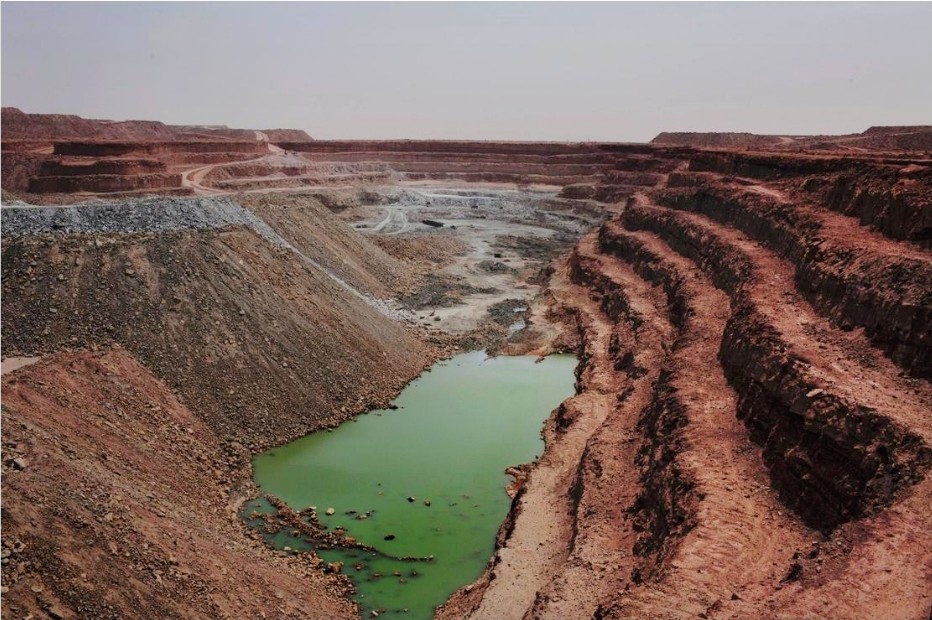
The uranium comes from the SOMAIR site near Arlit in northern Niger. Once operated jointly by Orano and the Nigerien state, the mine was taken over by the ruling authorities earlier this year, sparking legal and diplomatic battles. Since the takeover, more than one thousand tons of uranium concentrate has remained inside the country as Niger and France contest ownership and authority over exports.

France has strongly criticised Niger’s move, pointing to a ruling by the International Centre for Settlement of Investment Disputes which instructed Niger not to sell or transfer uranium produced under the former SOMAIR partnership. Orano has also warned that any attempt to move the material without following international nuclear safety procedures could violate global regulations and compromise transport security.
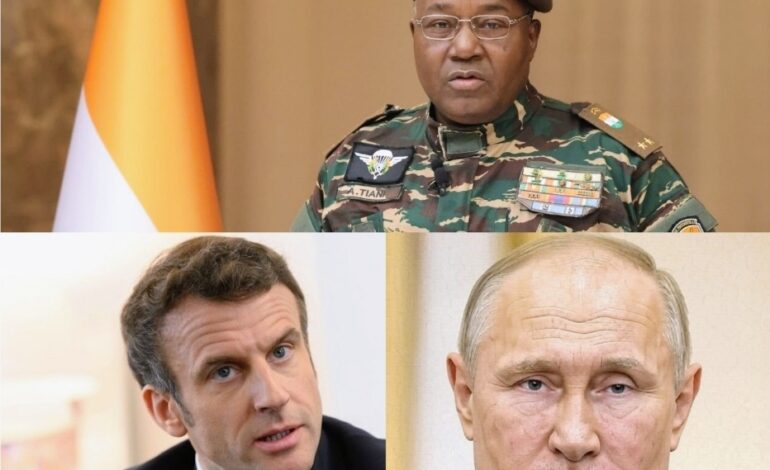
Amid this standoff, Russia has emerged as a serious potential buyer. Reports indicate that Niger is discussing the sale of about 1000 tons of uranium valued at around $170 million to Russia’s state nuclear company Rosatom.
The development reflects Russia’s rising presence in the Sahel, a region where Western influence has weakened as several military governments realign their partnerships.
Niger’s leaders argue that opening uranium sales to new partners is an expression of national sovereignty. They say the country will now sell to any interested buyer, insisting that past arrangements with France provided limited value to Nigeriens. Because France depends heavily on nuclear energy, and has long relied on Niger for uranium supplies, the shift could unsettle a key component of France’s energy security.
However, major legal and commercial uncertainties remain. Any sale of the disputed uranium could expose buyers to legal challenges if the transaction is deemed to violate the international ruling linked to the former joint venture with Orano. Western governments have also stressed the importance of maintaining strict oversight, traceability and safety checks on all nuclear related material.
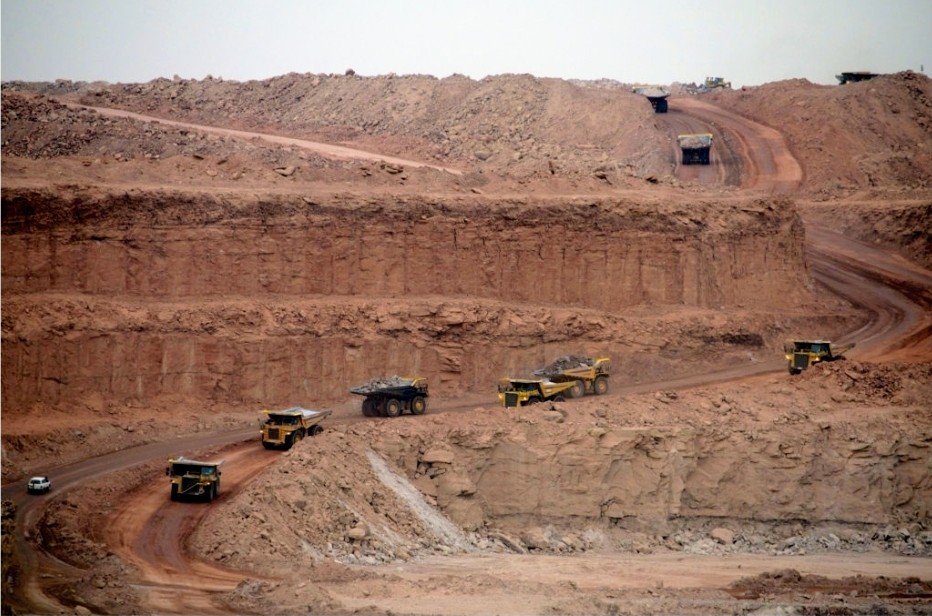
On the ground, tensions remain high. A recent convoy linked to Orano was intercepted by Nigerien forces, who accused the company of attempting to remove uranium without proper authorization. Orano rejected the claims, saying the situation undermines long established safety protocols. The broader dispute has left large quantities of uranium stranded at the site, complicating operations at one of Africa’s longest running uranium mines.
The geopolitical consequences of the dispute extend far beyond Niger. The shift away from France reflects a regional trend, as military governments in Mali, Burkina Faso and Niger move closer to Russia while distancing themselves from traditional European partners.
Control of Niger’s uranium, one of the most sensitive strategic resources on the continent, has now become a symbol of this changing balance of power.
What follows will depend on whether Niger moves ahead with a formal uranium sale to Russia or other new partners, and how France and international regulators respond. Any export will face significant legal barriers, diplomatic pushback and scrutiny over nuclear safety. But Niger’s message is unmistakable: the country intends to assert full control over its mineral wealth, reshaping a relationship with France that has dominated its uranium sector for decades.
RELATED