Faith Nyasuguta

Nigeria is emerging as a key beneficiary of shifting global energy dynamics, as buyers increasingly turn to its liquefied natural gas (LNG) amid supply disruptions linked to the ongoing Middle East conflict. The instability has forced major energy consumers to reassess their supply chains, opening new commercial space for alternative producers like Nigeria.
Industry officials say the country’s strategic location and vast natural gas reserves are making it an attractive option for buyers seeking reliability. Positioned within reach of both European and Asian markets, Nigeria offers shorter delivery timelines compared to some traditional suppliers, a factor now gaining renewed importance in a volatile geopolitical climate.

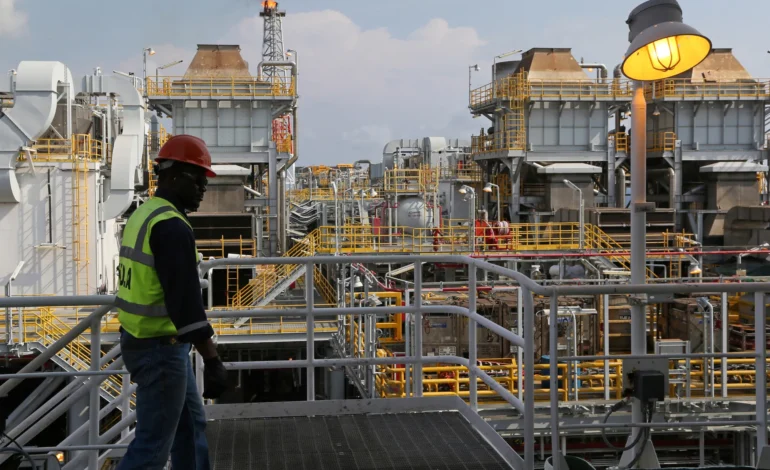
At the centre of this momentum is Nigeria LNG (NLNG), a major export facility in which the Nigerian National Petroleum Company holds the largest stake. The plant currently exports up to 22 million metric tonnes annually and is undergoing expansion with the construction of a seventh production train, expected to come online by 2027. The project is aimed at boosting output and strengthening Nigeria’s position in the global LNG market.

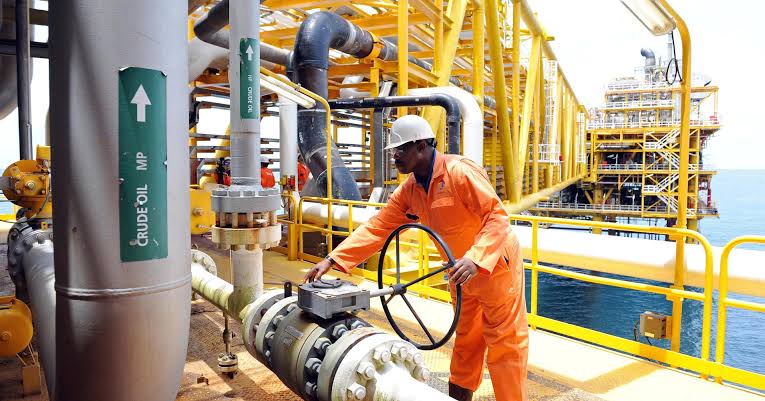
According to senior NNPC officials, discussions are already underway to push capacity even further. Plans include the addition of two more LNG trains and the development of a separate 12 million tonnes-per-year project, alongside gas-based industrial hubs designed to maximise the country’s estimated 200 trillion cubic feet of gas reserves.

The broader shift reflects a growing urgency among global buyers to diversify energy sources. Heightened tensions involving Iran, Israel, and the United States have highlighted the risks of overreliance on a single region, prompting importers to explore suppliers across Africa and beyond. Analysts say this could mark a longer-term realignment in global gas flows.
Across the continent, similar trends are emerging. Countries with significant but underutilised gas reserves are drawing fresh interest, particularly as innovations like floating LNG facilities improve access to international markets. Meanwhile, European nations are also deepening ties with established African producers as they seek to stabilise supply and manage rising energy costs.

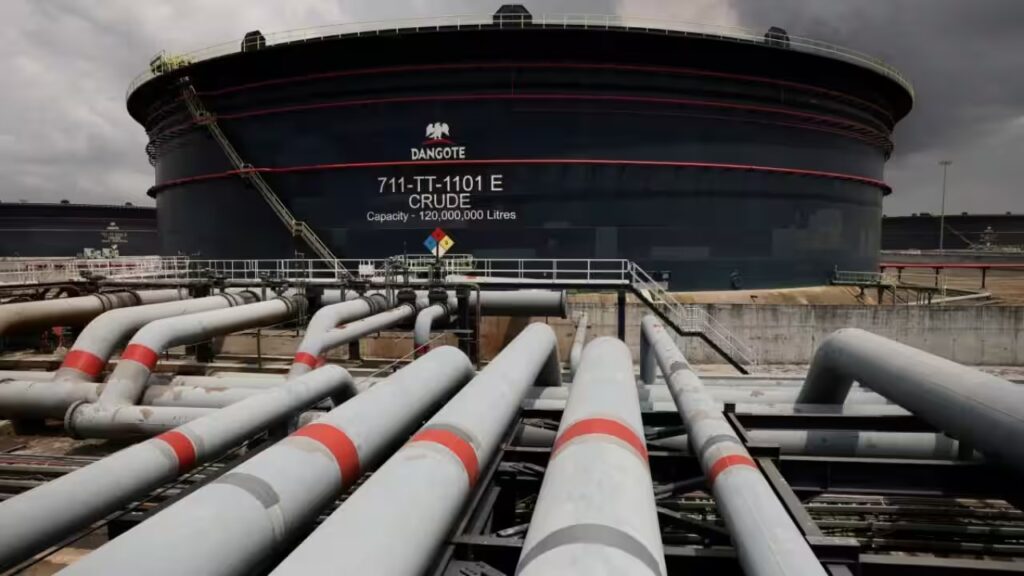
For Nigeria, the current moment represents more than a temporary boost in demand. It signals a strategic opportunity to scale up production, attract investment, and solidify its role as a major energy player in an increasingly uncertain global market.
RELATED: