Faith Nyasuguta

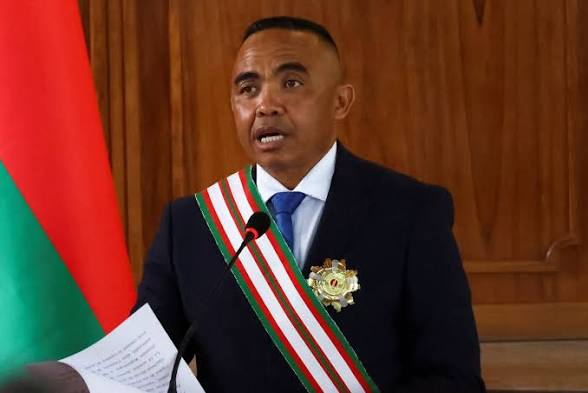
Madagascar has declared a state of emergency as concerns mount over potential fuel shortages linked to escalating tensions in the Middle East. President Andry Rajoelina signed a decree granting the government sweeping powers to safeguard national energy supplies, including the authority to requisition fuel stocks and intervene directly in distribution systems if necessary.
The emergency measures also allow authorities to suspend the country’s automatic fuel pricing mechanism, which typically adjusts domestic prices in line with international market rates. This signals a willingness by the government to cushion citizens from sudden price shocks as global oil markets remain volatile.

Madagascar is highly vulnerable to external energy disruptions, as the majority of its electricity generation relies on imported petroleum products. A significant portion of these imports passes through supply routes linked to the Strait of Hormuz, a critical global oil chokepoint that has faced instability amid the ongoing Iran-related conflict. Any prolonged disruption in this corridor could severely impact fuel availability across the island nation.

Although Madagascar has not yet experienced immediate supply shortages, officials warn that the situation could deteriorate quickly if global shipping routes remain constrained. The government has cautioned that disruptions could affect transport, electricity generation, and essential public services, with wider implications for economic stability.

The move comes against the backdrop of recent unrest tied to energy shortages. In 2025, prolonged power cuts and fuel scarcity triggered widespread protests across the country, exposing the fragility of Madagascar’s energy infrastructure and its dependence on imports. Those events placed significant pressure on authorities to act swiftly in the face of any new crisis.
Beyond Madagascar, the situation reflects a broader pattern across import-dependent economies, particularly in Africa, where rising fuel costs and supply uncertainties are forcing governments to adopt emergency measures. Analysts warn that continued volatility in global oil markets could deepen economic strain, especially in countries with limited strategic reserves or domestic production capacity.

By declaring a state of emergency early, Madagascar is attempting to stay ahead of a potential crisis – seeking to stabilise supply, protect consumers, and prevent a repeat of past disruptions that have already tested the country’s political and economic resilience.
RELATED: