Wayne Lumbasi

Ghana has invited domestic investors to take over a major gold mining asset previously controlled by Gold Fields, in a move that signals a decisive shift toward greater local ownership in the country’s extractive sector.
The asset in question is the Damang gold mine, located in western Ghana. Authorities declined to renew the long-standing lease held by the South African firm, effectively reclaiming control of the mine after nearly three decades of foreign operation. The government has since opened the process to Ghanaian companies, calling for proposals to revive and operate the mine under local leadership.

Officials say the transition forms part of a broader national strategy aimed at ensuring more value from gold production is retained within the domestic economy. As Africa’s leading gold producer, Ghana has increasingly sought to strengthen indigenous participation in the mining industry, reduce capital flight, and expand employment opportunities tied to natural resources.

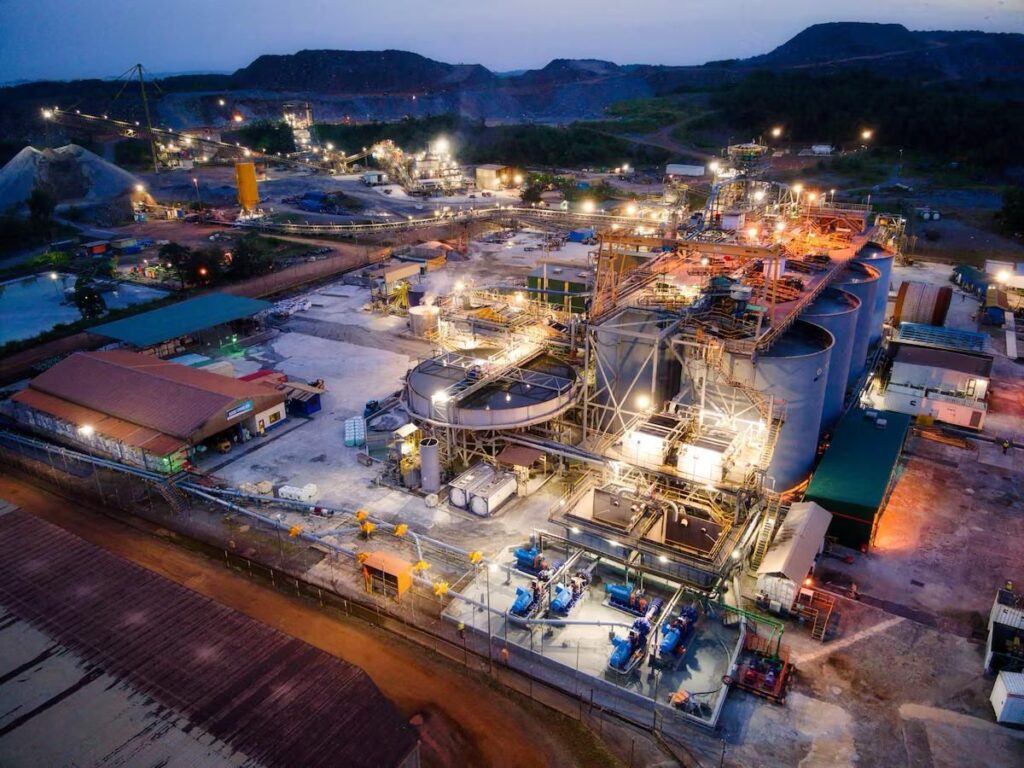
Several local firms have already expressed interest in taking over operations, including Engineers & Planners, BCM International, and Vortex Resources. These companies are now being assessed on their technical expertise, financial capacity, and ability to sustain production at the site. The mine is estimated to require between $600 million and $1 billion in fresh investment to restore and expand operations.

The decision to take back the Damang mine also reflects a tightening regulatory stance by Ghana’s government, which has signaled it will no longer automatically renew mining leases for foreign operators. Authorities have cited concerns around long-term reserve development and the need for a more equitable distribution of mining revenues.
This move aligns with a broader wave of resource nationalism across parts of Africa, where governments are revisiting contracts, increasing royalties, and prioritizing local ownership in key industries. In Ghana’s case, the policy shift comes amid strong global gold prices, offering an opportunity to maximize returns from the sector.
While the transition presents a significant opportunity for local investors, it also carries risks. Reviving a large-scale gold mine requires substantial capital, advanced technology, and operational discipline-areas where foreign firms have traditionally held an advantage. The success of the Damanghandover will therefore be closely watched, both within Ghana and across the continent, as a test case for locally driven resource management.
RELATED: