
Faith Nyasuguta

Gabon is ramping up efforts to transform its poultry sector as it prepares to phase out chicken imports by 2027, turning to Senegal for expertise in building a self-sufficient industry. The move reflects a broader push by Libreville to cut its food import bill, create jobs and strengthen domestic production.
The strategy gained momentum following a working visit to Dakar by Gabon’s Agriculture Minister, Pacome Kossy, where officials from both countries explored cooperation in training, technical support and sector development. Senegal has signaled its readiness to help Gabon design and implement a high-performing poultry system, drawing from its own experience in developing one of West Africa’s most robust domestic industries.

Gabon’s planned ban on broiler chicken imports, set to take effect in January 2027, marks a significant policy shift. For years, the country has relied heavily on imported poultry to meet local demand, with domestic production accounting for only a small fraction of consumption. Authorities now see import substitution as critical to achieving food sovereignty and reducing vulnerability to external supply shocks.

In contrast, Senegal offers a model of long-term success. Since introducing a ban on imported poultry products in 2005, initially in response to avian influenza concerns, the country has steadily built a resilient and competitive domestic industry. The policy shielded local producers from cheaper foreign imports, giving them room to expand and invest.
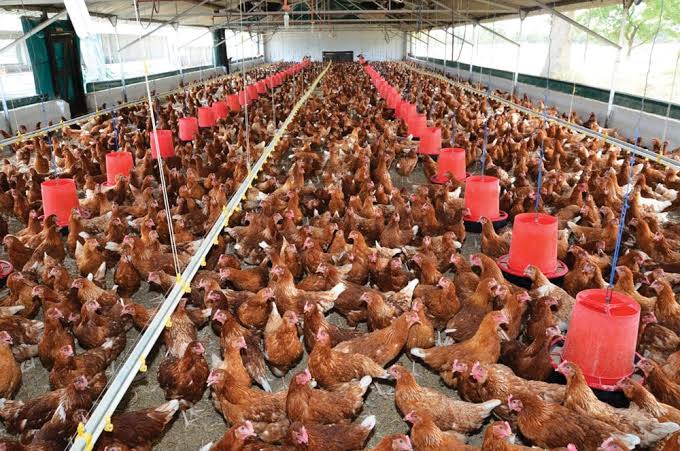
Over time, Senegal developed an integrated poultry value chain that includes hatcheries, feed mills, farms, processing facilities and distribution networks. The establishment of an inter-professional body has also helped coordinate activities across the sector, improve standards and boost productivity. As a result, Senegal’s chicken production has surged, supported by growing private investment in large-scale farming and feed production.
For Gabon, replicating this success will require significant effort. The government has already launched an ambitious plan to train around 40,000 people across the poultry value chain, targeting skills in farming, veterinary services, feed production and cold-chain logistics. Officials believe that direct collaboration with Senegal will accelerate knowledge transfer and provide practical insights into building a functional ecosystem.
During the Dakar visit, the Gabonese delegation toured poultry farms, training institutions and feed production facilities to better understand how the sector operates. The aim is to adapt Senegal’s model to Gabon’s specific context, though challenges remain.
Analysts caution that differences in market size, production costs and infrastructure could complicate the transition. Gabon will need to invest heavily in inputs such as animal feed, strengthen veterinary systems and expand financing options for farmers and agribusinesses. Without these foundations, a rapid shift away from imports could risk supply shortages or price increases.

Despite these hurdles, the government remains optimistic. Officials see the partnership with Senegal as a critical step toward reshaping the country’s agricultural landscape. If successful, the import ban could not only boost local production but also alter poultry trade patterns across Central Africa, opening up new opportunities within the regional agricultural economy.
RELATED: