Faith Nyasuguta

Egypt and Russia are accelerating construction of the $30 billion El Dabaa Nuclear Power Plant, a flagship project that is as much about geopolitics as it is about energy. As timelines tighten and global energy pressures mount, both countries are pushing to fast-track delivery of one of Africa’s most ambitious nuclear ventures.
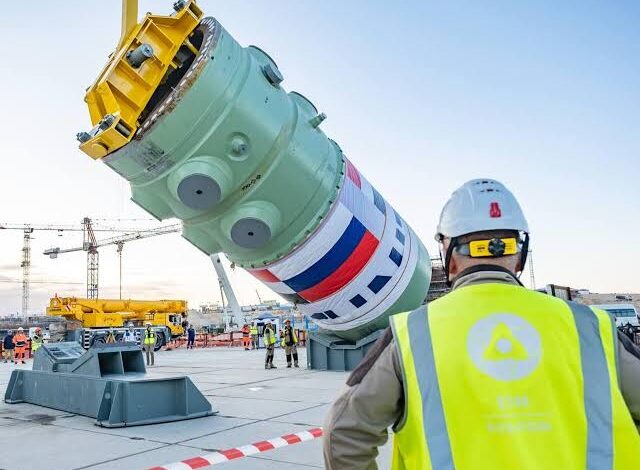
Located along Egypt’s Mediterranean coast west of Alexandria, the El Dabaa facility will feature four VVER-1200 reactors, each with a capacity of 1.2 gigawatts. Once completed, the plant is expected to generate around 4,800 megawatts of electricity- enough to supply more than 10% of Egypt’s national power needs and support millions of households and industries.

The project is being built by Russia’s state nuclear agency, Rosatom, under a 2015 agreement that cemented a long-term strategic partnership between Cairo and Moscow. Subsequent deals, including those signed during President Vladimir Putin’s 2017 visit to Egypt, expanded cooperation to include nuclear fuel supply and storage, with spent fuel expected to be reprocessed in Russia.

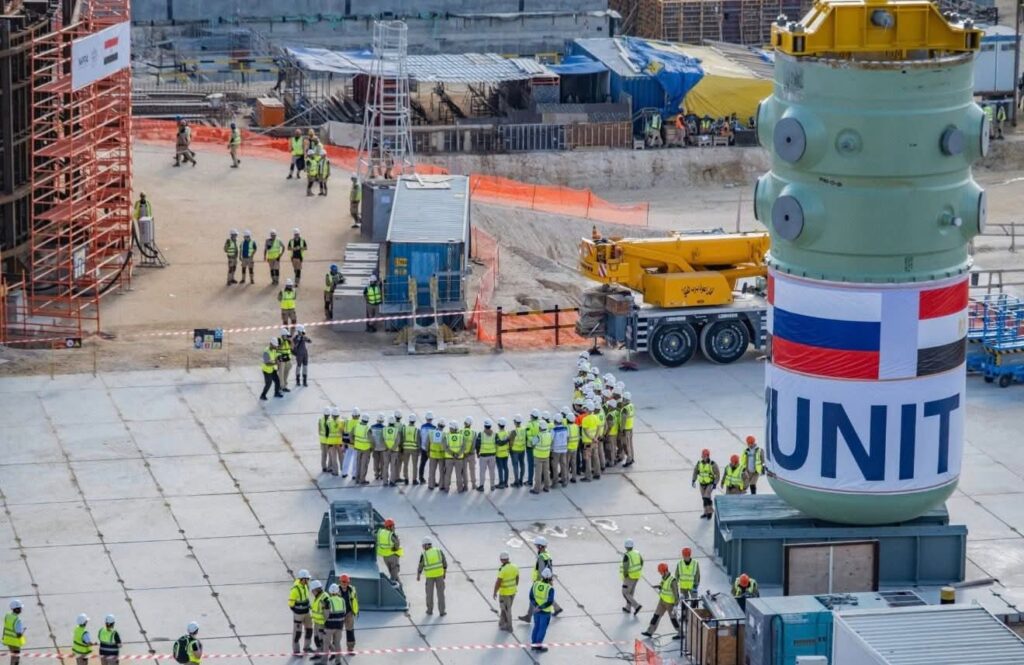
But beyond the technical specifications, El Dabaa represents a deeper alignment. For Egypt, it is a bold step toward energy security, reducing dependence on fossil fuels and insulating the economy from volatile global oil and gas markets. For Russia, it is another foothold in Africa’s energy landscape, reinforcing its influence through high-stakes infrastructure and long-term technology partnerships.

Recent high-level meetings between Egypt’s Electricity Minister Mahmoud Esmat and Russian officials have focused on speeding up implementation, tightening coordination, and ensuring smoother transitions between construction phases. A visiting Russian delegation has already toured the site, underscoring Moscow’s urgency to keep the project on track despite earlier delays.
Originally, the first reactor was expected to be operational by 2022, with full completion targeted between 2028 and 2029. While timelines have shifted, officials insist progress remains steady, backed by enhanced technical oversight and stronger bilateral coordination.

Egyptian authorities have also emphasized that the plant is being built to meet stringent international safety and environmental standards, incorporating advanced engineering systems designed to minimize risks while maximizing efficiency.
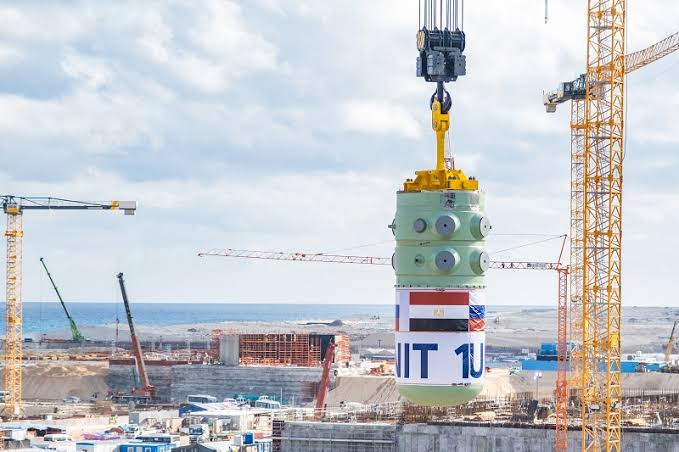
Still, the scale and cost of the project raise questions. With a $30 billion price tag largely financed through Russian loans, critics argue that Egypt is taking on significant long-term financial obligations. Others point to the strategic implications of deepening reliance on Russian nuclear technology at a time of shifting global alliances.
Yet for Cairo, the calculus appears clear. As electricity demand surges and climate pressures intensify, nuclear energy offers a stable, low-carbon alternative capable of powering long-term growth.
In the end, El Dabaa is more than a power plant -it is a high-stakes gamble on energy independence, geopolitical positioning, and the future of Egypt’s economic trajectory.
RELATED: