Faith Nyasuguta

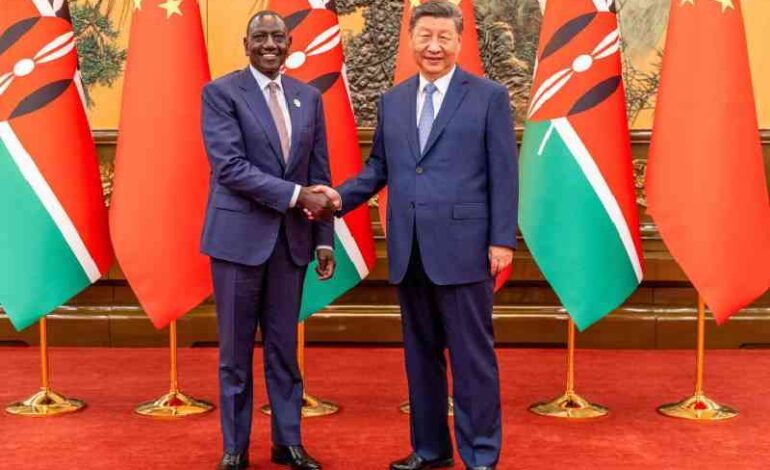
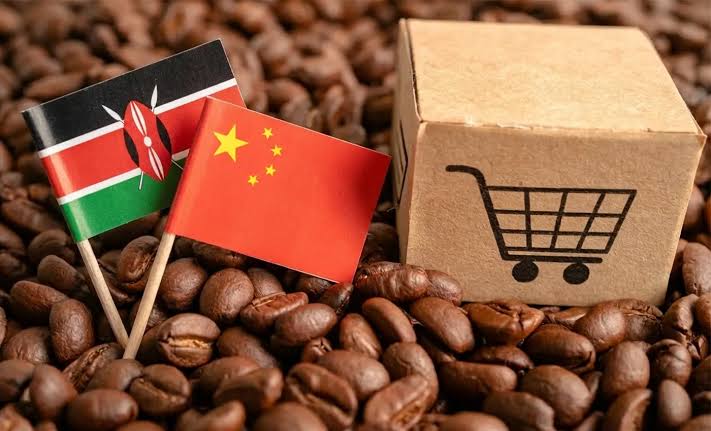
Kenya is preparing for a major export boost after China announced it will allow Kenyan agricultural products to enter its vast market duty-free starting May 1. The move grants Kenyan producers access to more than 1.4 billion consumers and marks a significant shift in trade relations between Beijing and African economies.
The policy is part of a broader decision by China to remove tariffs on imports from 53 African countries, a move widely seen as an attempt to deepen economic ties and reshape global trade flows. For Kenya, the implications are immediate and far-reaching, particularly for its agriculture sector, which remains a key pillar of the economy.

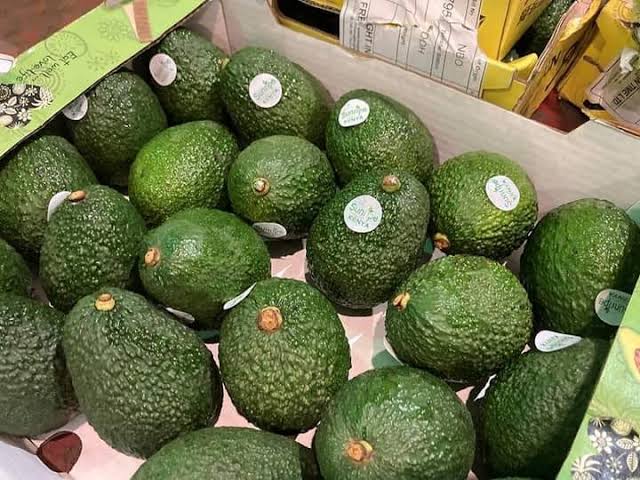
Agriculture Cabinet Secretary Mutahi Kagwe says the tariff waiver will enhance the competitiveness of Kenyan exports, including tea, coffee, avocados, macadamia nuts, flowers and fresh horticultural produce. Previously, these goods were subject to varying tariff rates, which often limited their pricing advantage in the Chinese market.

The new arrangement, however, is not just about increasing export volumes. Kenyan authorities are using the opportunity to push for a deeper transformation of the sector by encouraging value addition. Instead of exporting raw commodities, the government is urging producers and investors to focus on processing and packaging goods locally to capture more value before export.
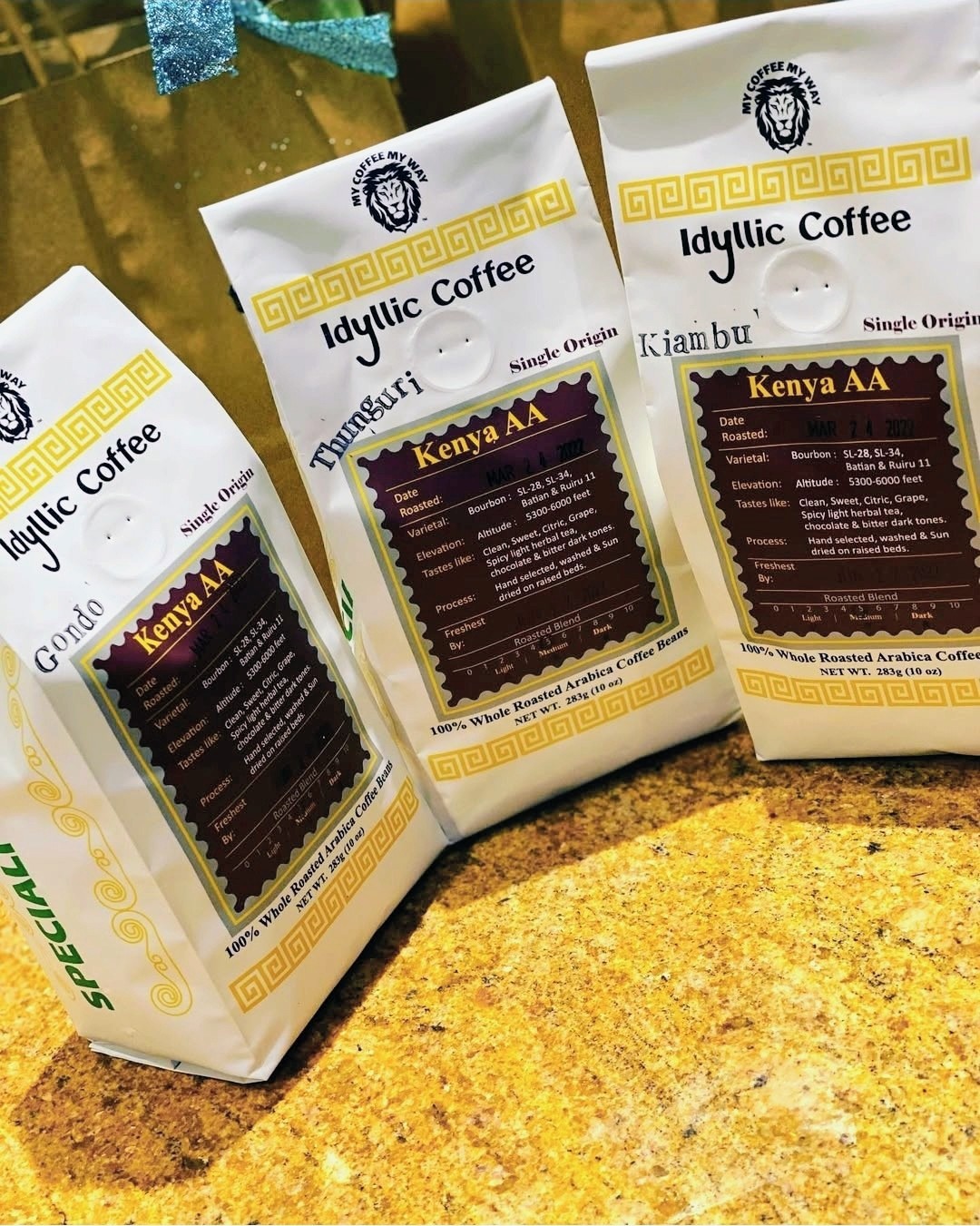
Officials believe this shift could stimulate industrial growth, create jobs and strengthen rural economies. From frozen avocados to processed herbs and cut flowers, a wider range of products now qualifies for zero-duty access, offering incentives for businesses to expand production and upgrade facilities.
At the same time, entry into the Chinese market comes with strict conditions. Kenyan exporters will need to meet rigorous quality, safety and phytosanitary standards, placing pressure on regulators and producers to ensure compliance. Failure to meet these requirements could limit the benefits of the new policy despite the removal of tariffs.
The development builds on a series of trade agreements between Nairobi and Beijing, as Kenya positions agriculture at the centre of its export-led growth strategy. Trade figures already point to growing demand, with Kenya exporting around 24 million dollars’ worth of tea and coffee to China last year, alongside nearly 20 million dollars in avocados and macadamia nuts.
China’s ambassador to Kenya, Guo Haiyan, has indicated that Kenyan products are gaining traction among Chinese consumers, with further cooperation expected in areas such as technology transfer, market access and production capacity.
Analysts say the zero-tariff policy could be a turning point – not just for Kenya, but for Africa more broadly – if countries use it to scale production and invest in processing. However, they caution that success will depend on how effectively economies are structured to take advantage of the opportunity.
For Kenya, the door to one of the world’s largest markets is now wide open. The challenge will be turning that access into sustained economic growth.
RELATED: