Wayne Lumbasi

Ghana is facing mounting diplomatic pressure from both China and the United States over its plan to significantly increase royalties on gold mining operations. The proposed policy shift has drawn attention from major global powers with strong economic interests in the country’s mining sector, underlining the global importance of Ghana’s gold industry.
The government is proposing a new royalty structure that would replace the current system, which ranges between 3% and 5%, with a sliding scale linked to international gold prices. Under the proposed framework, royalties could rise to between 9% and 12% when gold prices are high. Authorities say the move is aimed at ensuring the country captures a greater share of revenue from its natural resources as global gold prices remain strong.

Foreign governments with mining investments in Ghana have raised concerns that the higher royalty rates could make the country a less attractive destination for mining companies. China and the United States are among those urging the government to reconsider or delay the plan, warning that the increase could raise production costs and reduce the competitiveness of mining operations.

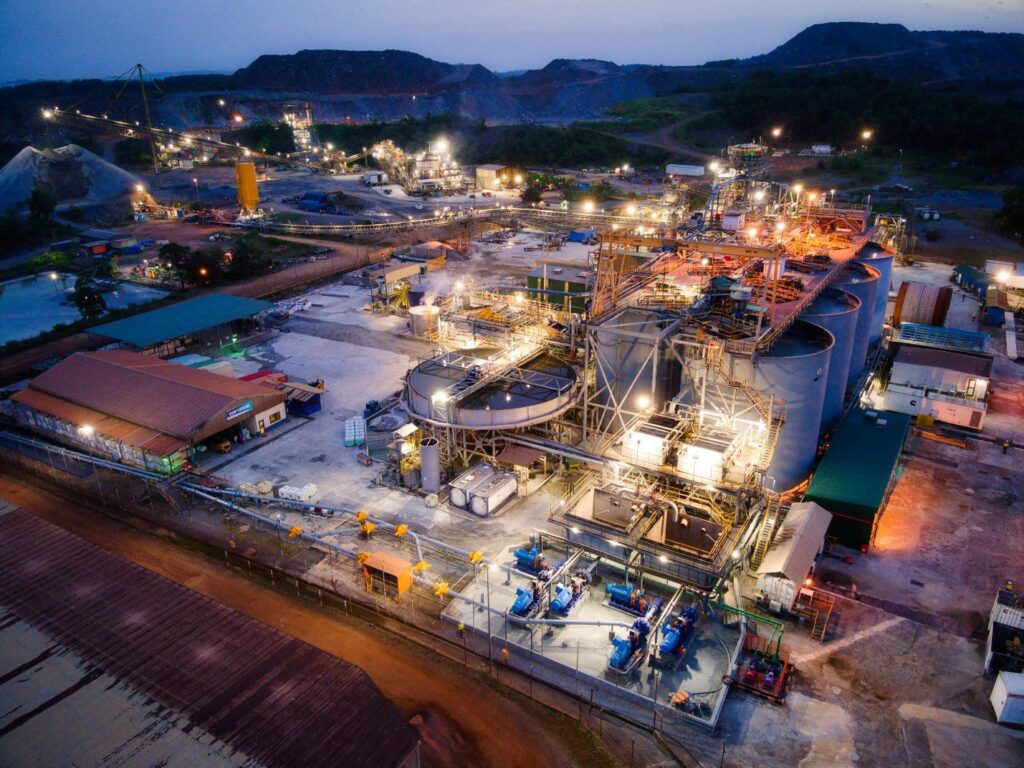
Mining companies operating in the country have also expressed concerns that the new tax structure could squeeze profit margins and affect long-term investment decisions. Some firms fear the higher royalties could slow down expansion plans or force a reassessment of future projects if operational costs increase significantly.

Ghana remains Africa’s largest gold producer, and the mining sector plays a critical role in the national economy. Gold exports account for a major share of the country’s foreign exchange earnings and government revenue, making policy changes in the sector highly sensitive for both investors and the government.
The debate reflects a broader trend among resource-rich nations seeking to increase their share of profits from booming commodity markets. At the same time, mining companies continue to push for stable and predictable tax systems to protect long-term investments. The outcome of the discussions could influence how other mineral-producing countries structure royalties and taxation in the future.

RELATED: