Faith Nyasuguta

Burkina Faso has imposed an immediate suspension on the export of fresh tomatoes, a bold policy shift aimed at protecting its domestic processing sector and securing a steady supply of raw materials for local factories. The directive, issued on March 16, 2026, signals a growing push by the government to prioritise value addition over raw commodity exports.
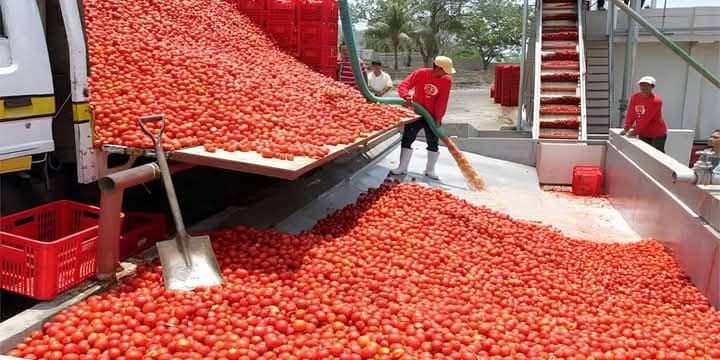
The ban applies nationwide and affects all exporters, from large-scale agribusinesses to informal traders. Authorities have also suspended Special Export Authorisations, with existing permits given a two-week grace period before becoming invalid. After that, any attempt to export fresh tomatoes will be considered illegal, with penalties enforced under national law. Seized produce will not go to waste – officials say it will be redirected to local processing plants, many of which operate under state-backed initiatives.

The move was announced in a joint statement by Industry Minister Serge Gnaniodem Poda and Agriculture Minister Ismael Sombie, who framed the decision as necessary to stabilise supply for the country’s agro-processing industry. In recent years, local factories have struggled with inconsistent access to tomatoes, largely due to strong cross-border demand that pulls produce out of the domestic market.

Under the leadership of Ibrahim Traore, Burkina Faso has accelerated efforts to industrialise its agricultural sector. The government is increasingly focused on ensuring that more value is retained within the country, rather than exporting raw produce with limited economic return. Tomatoes, a key agricultural product, have become central to this strategy.

The policy reflects a wider continental trend, as African governments rethink their role in global supply chains. From cocoa in West Africa to minerals in Southern Africa, there is a growing emphasis on processing resources locally to create jobs, boost incomes and reduce dependency on imports.
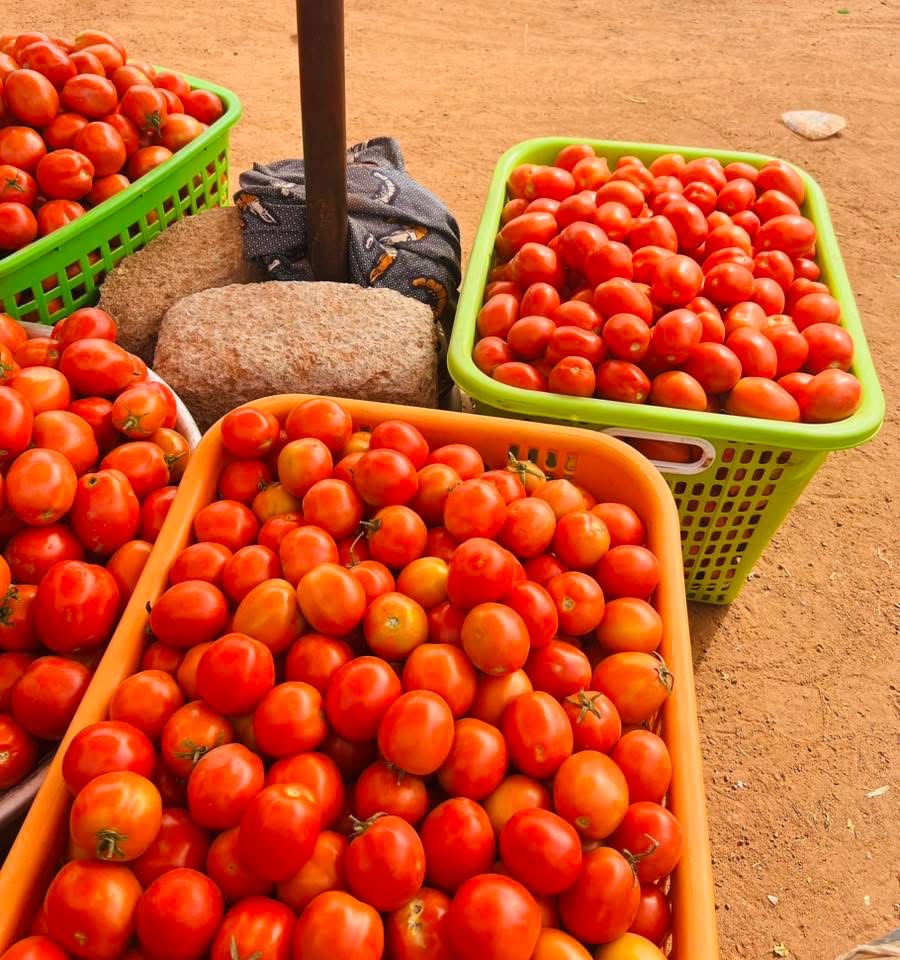
However, the decision is already sending ripples across the region. Burkina Faso is a major supplier of fresh tomatoes to neighbouring countries, and the sudden halt is expected to disrupt trade flows, particularly in border markets where informal commerce is widespread. Countries such as Ghana, Cote d’Ivoire, Togo and Niger could face short-term shortages and rising prices as supply tightens.
For Ghana in particular, which maintains strong agricultural trade links with Burkina Faso, the impact could be immediate. Traders and consumers may experience price volatility as markets adjust to the sudden supply gap.
While the long-term goal is to build a more resilient and self-sufficient agro-industrial base, analysts warn that prolonged export restrictions could reshape regional trade dynamics. If sustained, such policies may force neighbouring countries to diversify their supply sources or invest in their own production capacity.

For now, Burkina Faso’s decision highlights a clear shift in strategy – one that prioritises domestic industry over regional supply, and signals a new phase in Africa’s evolving economic playbook.
RELATED: