Faith Nyasuguta

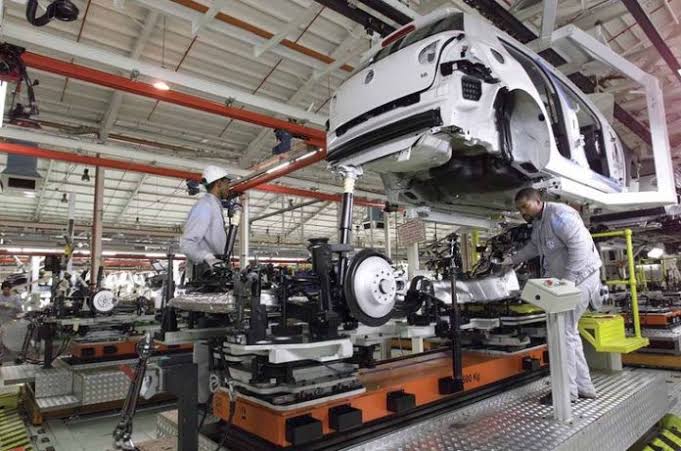
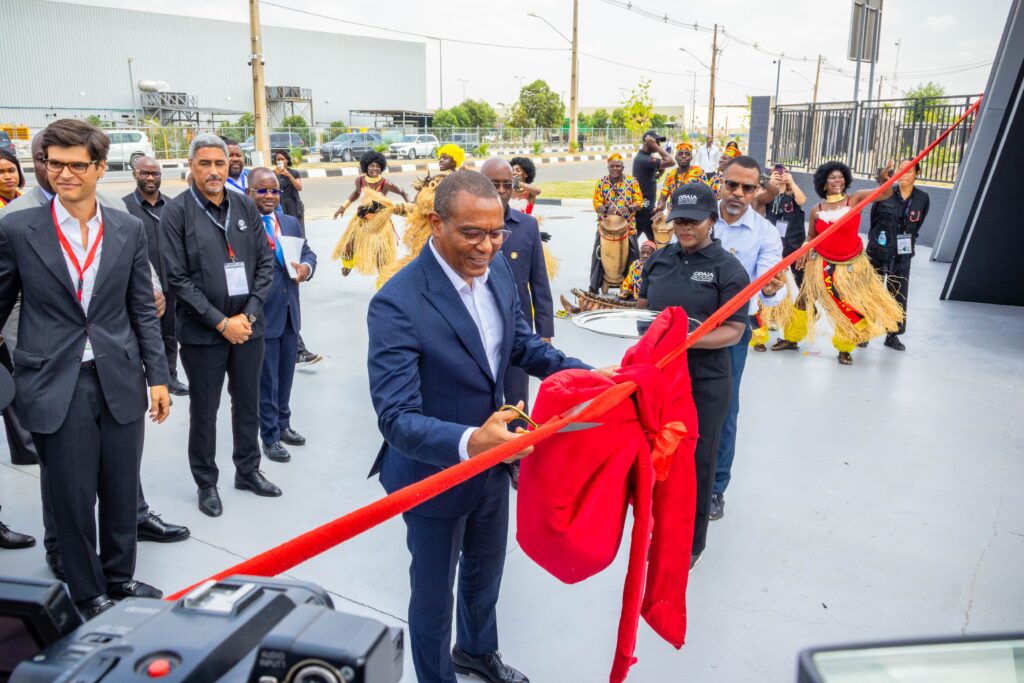
Angola has taken a decisive step toward rebuilding its industrial capacity with the launch of its first fully operational vehicle assembly plant, a move seen as a major boost for both the country’s economy and Africa’s growing automotive market. The new facility, opened in the capital Luanda, is expected to reduce the nation’s heavy dependence on imported vehicles while laying the foundation for a homegrown manufacturing sector.
The plant is operated by Opaia Motors, an automotive subsidiary of the privately owned Opaia Group, a conglomerate with interests in infrastructure and large-scale development projects. Company officials say the factory has an installed annual production capacity of 22,000 passenger vehicles and 1,000 buses, positioning it as a potentially important supplier for Angola’s domestic transport needs.

For years, Angola has relied almost entirely on imported cars and buses, a costly arrangement that has placed pressure on foreign currency reserves and limited local job creation. The new assembly plant aims to change that by creating employment opportunities, transferring skills, and stimulating related industries such as logistics, parts supply, and maintenance services.


Opaia Motors described the project as a landmark moment for the country’s industrial ambitions, calling it “a significant step in establishing the country’s burgeoning automotive manufacturing industry.” The company believes local assembly will make vehicles more affordable and accessible to Angolan consumers while strengthening the broader economy.
Although the plant marks Angola’s first active assembly operation in recent years, vehicle production is not entirely new to the country. A Chinese-funded factory launched more than a decade ago once assembled vehicles locally but later stalled amid economic difficulties and declining investment. Opaia revived the sector by acquiring and upgrading those dormant assets to create the new facility.
Under its current model, the company will assemble imported white-label vehicles and sell them locally under the Opaia Motors brand. Passenger cars will be sourced from Chinese manufacturers through partnerships with companies such as Chery and Dongfeng Motor. Meanwhile, buses will come from Swedish manufacturer Volvo, with units shipped from Sweden for local assembly and distribution.

Beyond meeting domestic demand, Opaia has signaled ambitions to explore export markets in the future, potentially serving neighboring countries in southern and central Africa. Executives have also floated plans to introduce electric vehicle production as part of a longer-term strategy to align with global shifts toward cleaner energy and sustainable transport, though specific timelines have not been announced.
For Angola, an oil-rich nation working to diversify its economy, the plant represents more than just a manufacturing facility. It symbolizes a broader effort to reduce reliance on petroleum revenues and build a more resilient industrial base. If successful, the project could position the country as an emerging automotive hub and contribute to Africa’s expanding role in global vehicle production.
As operations begin, expectations are high that the assembly plant will help drive economic growth, create jobs, and restore confidence in Angola’s manufacturing future.
RELATED: