Faith Nyasuguta

Burkina Faso has inaugurated a $66 million technology academy to train a new generation of engineers in nuclear science, aerospace, mining and other strategic disciplines, as the West African nation seeks to strengthen its technological independence and reduce reliance on foreign expertise.
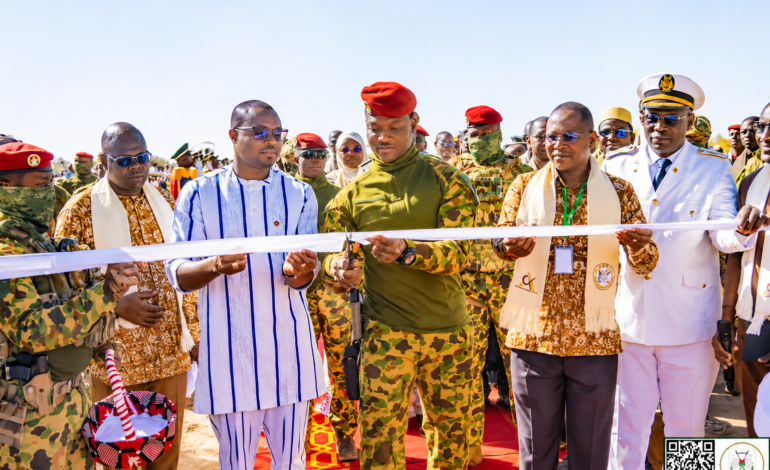
President Ibrahim Traoré officially opened the Académie Technologique du Faso (ATF) on November 23, 2026, marking a significant investment in scientific education and industrial development.

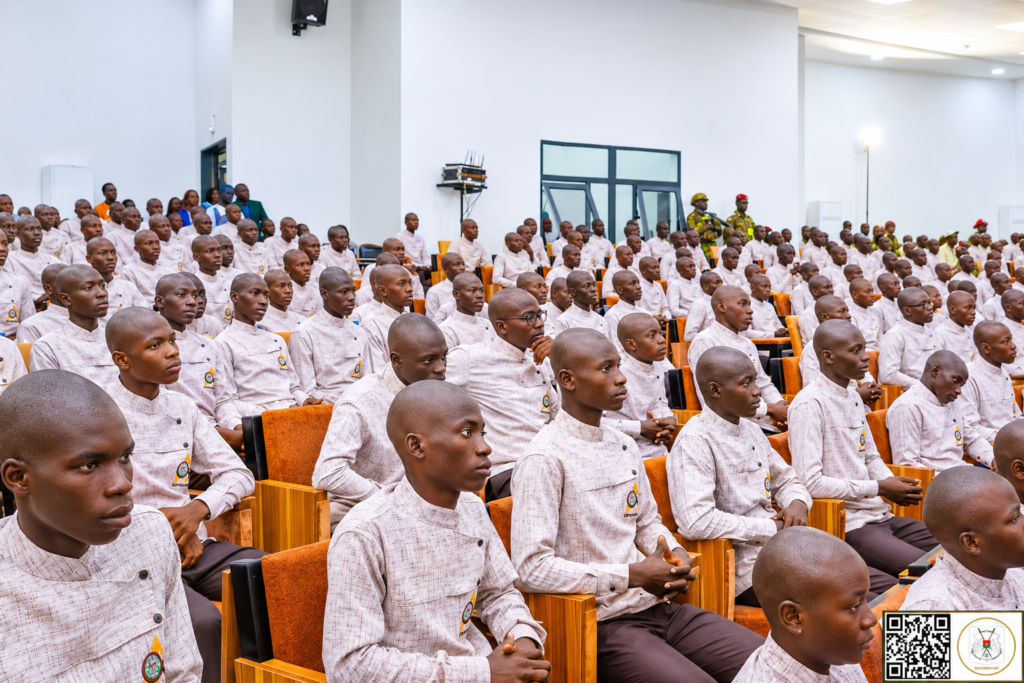
Located in Pabré, on the outskirts of Ouagadougou, the institution welcomed its inaugural cohort of 250 students selected from scientific and technical secondary schools across the country.

The academy occupies 60 hectares and was constructed at a cost of 37.37 billion CFA francs, approximately $66 million, financed entirely through Burkina Faso’s national budget.

Eleven local companies completed the first phase of construction in less than a year, following the project’s launch in December 2025.
Building Homegrown Technological Expertise

The academy is designed to equip young Burkinabè with advanced technical skills needed to support the country’s industrial, energy, agricultural and defence ambitions. Students will undergo two years of intensive preparatory studies before specialising in disciplines including nuclear engineering, aeronautics, mining, metallurgy, telecommunications, computer science, chemistry, electrical engineering, civil engineering and cybersecurity.
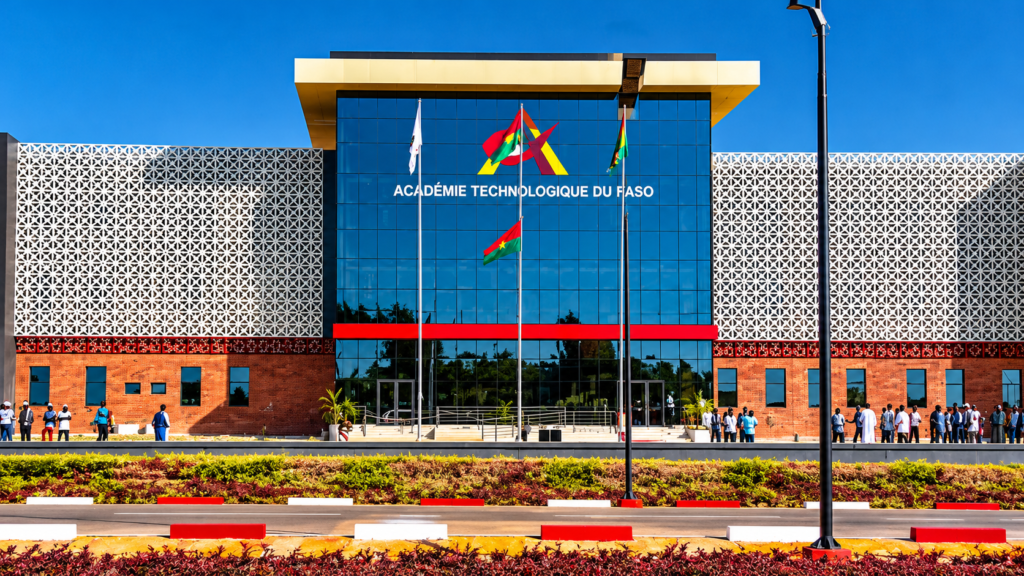
The campus features lecture halls, laboratories, industrial workshops, a forge, a library, student accommodation and healthcare facilities. Additional specialised equipment will be installed progressively.
Through the institution, Burkina Faso hopes to develop domestic capabilities in industries traditionally dominated by major technological powers, including the United States and China.
The initiative also reflects a broader continental push towards advanced scientific education. South Africa already offers specialised nuclear and aeronautical engineering programmes, while Nigeria has invested in aerospace research and technical training.
Addressing students during the inauguration, Traoré challenged them to develop homegrown technological solutions rather than depend exclusively on imported machinery and equipment.
“The day you produce your first engines I will be proud. The day you present your first turboprop engines to me, I will be proud,” he said.
He also encouraged students to explore aircraft development for territorial surveillance and national defence. More than 1,000 local and international educators have reportedly applied to teach at the institution.
Advancing Burkina Faso’s Nuclear Ambitions
The introduction of nuclear engineering programmes aligns with Burkina Faso’s plans to develop civilian nuclear energy infrastructure through cooperation with Russia. In June 2025, the two countries signed an agreement covering nuclear infrastructure development, scientific research and technical training.
Burkina Faso’s transitional parliament subsequently approved the agreement in November 2025, advancing plans for a nuclear power plant in partnership with Russia’s state-owned nuclear corporation, Rosatom.
The proposed facility is expected to increase electricity generation and support industrial expansion in a country where access to reliable power remains limited. According to Burkina Faso’s foreign ministry, only 34.2% of the population had access to electricity in 2024.
Although construction timelines and financing arrangements remain unconfirmed, developing local nuclear expertise could help prepare the country for the technical demands of its future energy infrastructure.
Harnessing Mineral Wealth Through Education
Burkina Faso’s substantial mineral resources provide another compelling reason for investing in advanced engineering education. Gold accounts for more than 80% of the country’s exports, according to the International Monetary Fund, making mining a critical source of foreign exchange and public revenue.
The government has pursued mining reforms and investments in domestic mineral processing to increase local participation, generate employment and retain greater economic value within its borders.
Training engineers in metallurgy, mineral processing and industrial manufacturing could support these ambitions while reducing dependence on imported technical expertise.
Representing the inaugural students, Yéri Cynthia Djamila Kambou expressed gratitude to taxpayers, the government and security forces for supporting the academy, pledging that students would approach their education with dedication and responsibility.
Ultimately, the academy represents an investment in human capital, with its long-term success depending on educational quality, sustained funding and the ability to translate scientific knowledge into practical industrial applications.
Can Burkina Faso turn its mineral wealth into technological independence and inspire similar investments across Africa?
RELATED: