Faith Nyasuguta
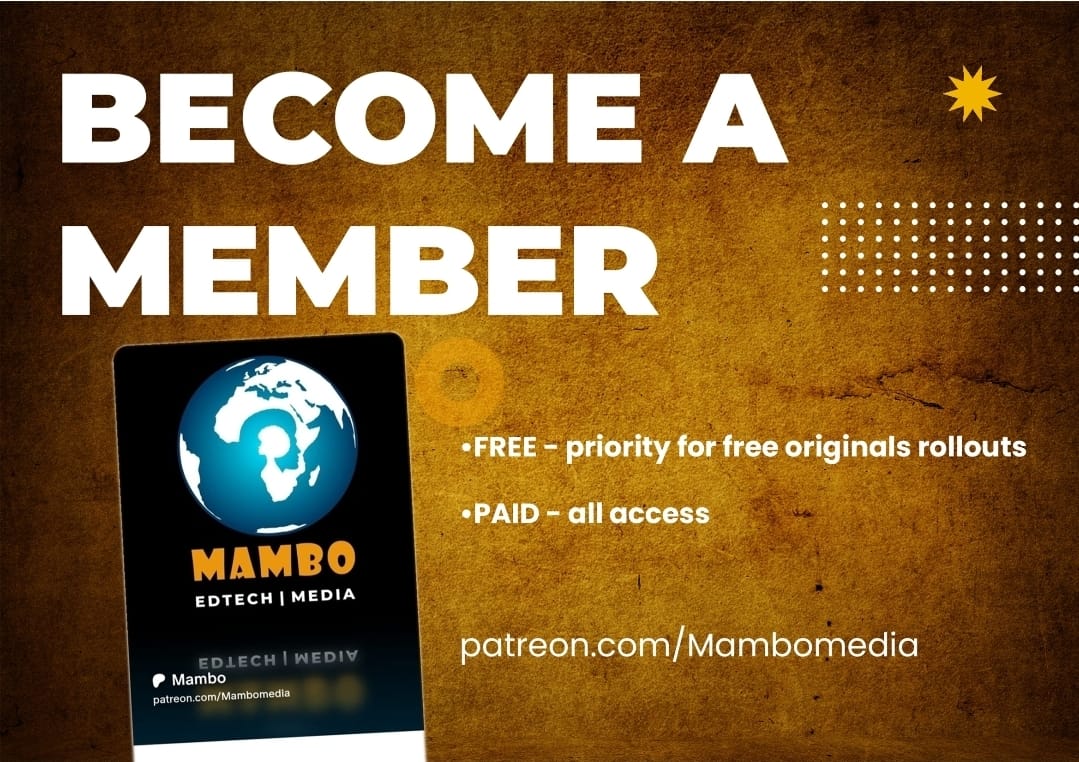
In a dramatic political twist, Senegal’s ruling PASTEF party has removed President Bassirou Diomaye Faye from its membership, alongside 31 other officials, confirming the spectacular collapse of an alliance that once promised to transform the West African nation.
The decision, announced on November 17, 2026, marks another escalation in the increasingly bitter rivalry between Faye and his former political mentor, Ousmane Sonko. Under Article 6 of its constitution, PASTEF declared that the 32 individuals had automatically lost their membership after joining another political formation.

But beyond the legal technicalities lies an extraordinary political reality. The man PASTEF helped elect president is now politically separated from the party controlling Senegal’s parliament. And the consequences could extend far beyond personal rivalries.

From Political Brothers to Bitter Rivals
To understand the significance of this fallout, one must return to Senegal’s turbulent 2024 presidential election. At the time, Ousmane Sonko was the country’s leading opposition figure, commanding enormous support among young Senegalese frustrated by unemployment, corruption and established political elites. However, legal disputes prevented him from contesting the presidency.
Instead, Sonko backed his close ally, Bassirou Diomaye Faye, who had also faced imprisonment during the political confrontation with former President Macky Sall’s administration. Their campaign became a symbol of political resistance.

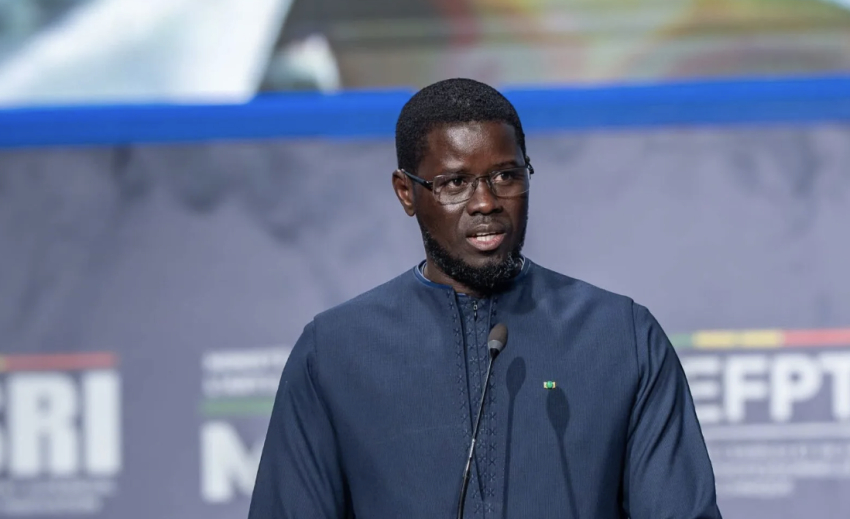
Faye won the March 2024 presidential election, promising institutional reform, economic sovereignty and a break from Senegal’s traditional political establishment. His victory was widely celebrated as a democratic breakthrough. Once inaugurated, Faye appointed Sonko prime minister, cementing what appeared to be an unbreakable partnership. But power soon exposed their differences.
How the Political Marriage Collapsed
Disagreements over government management, political authority and the direction of reforms gradually strained relations between the two leaders. In May 2026, Faye dismissed Sonko as prime minister. Sonko subsequently became president of the National Assembly, retaining considerable influence through PASTEF’s parliamentary majority. Then came another decisive development.
In July, Faye launched his own political party, Kiiraay–Les Patriotes Républicains, effectively establishing an independent political base. The move signalled that Senegal’s president was no longer prepared to operate under Sonko’s political leadership. By November, reconciliation appeared increasingly unlikely.
Sonko publicly acknowledged that their political relationship had collapsed.
PASTEF’s decision to remove Faye from its membership formalised a separation that had been developing for months.
A President Without a Parliamentary Majority
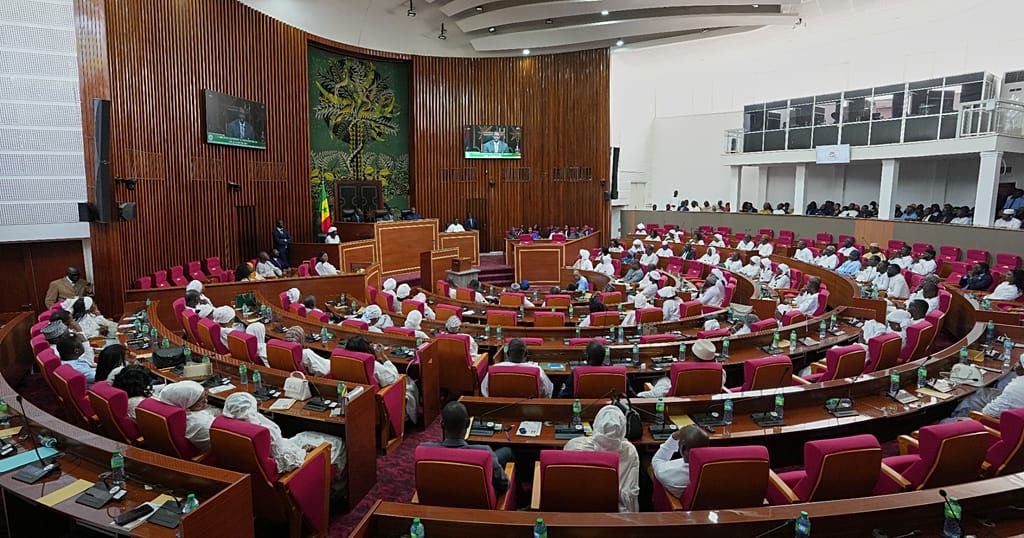
The political arithmetic presents Faye with a serious challenge. PASTEF controls approximately 130 of Senegal’s 165 parliamentary seats. Faye’s newly established party officially holds none.
That leaves the president facing a legislature overwhelmingly controlled by his former ally. The consequences are already emerging. Lawmakers have repeatedly rejected government budget proposals, intensifying a confrontation between the presidency and parliament.
On November 3, the National Assembly rejected an amended 2026 budget, deepening uncertainty over the government’s financial plans. For Senegal, this is no longer simply a dispute between two politicians. It has become a struggle over who effectively controls the country’s political and economic direction.
Senegal’s Economic Crisis Makes the Split More Dangerous
The confrontation comes at an especially difficult moment. Senegal is struggling with a substantial debt burden following revelations of previously undisclosed government borrowing. According to news outlets, public debt reached approximately 132% of GDP by the end of 2024.
The country is seeking approval for a $2.2 billion International Monetary Fund programme to support financial stabilisation. However, the IMF has emphasised that Senegal must fulfil agreed budgetary commitments before financing can receive final approval. Continued political deadlock threatens to complicate that process.
For ordinary Senegalese, prolonged disagreements could translate into delayed public spending, reduced investor confidence and additional economic uncertainty.
Has Senegal’s Political Revolution Turned Against Itself?
Just two years ago, Faye and Sonko represented a united movement promising to challenge entrenched political interests. Today, they lead competing political camps.Their disagreement raises uncomfortable questions about whether Senegal’s reform movement can survive the ambitions of its own leaders.
Political competition is a normal feature of democracy. But when rivalries begin obstructing budgets and threatening economic recovery, citizens ultimately bear the consequences.
Senegal voted for political transformation in 2024. Two years later, its president and former mentor are fighting for control. Was this revolution about changing the country, or simply changing who holds power?
RELATED: