Wayne Lumbasi

Ghana’s acquisition of a new presidential aircraft worth approximately $60.68 million has triggered widespread public and political debate, with many questioning the government’s spending priorities at a time when citizens continue to face economic challenges.
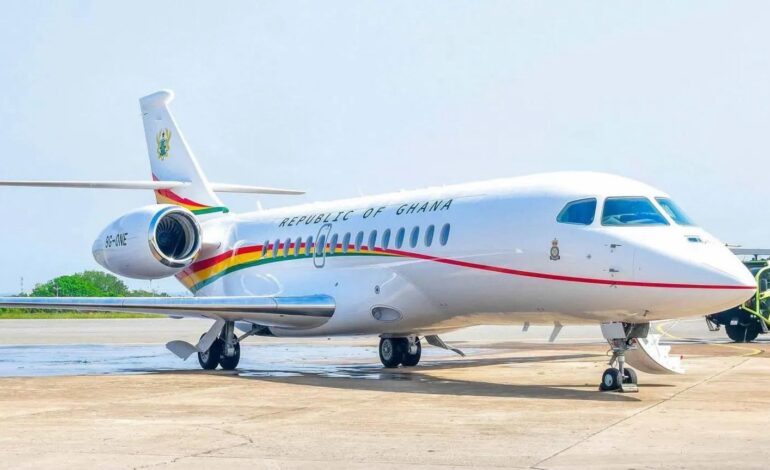
The aircraft, a Falcon 6X manufactured by French aerospace company Dassault Aviation, was officially received by the Ghana Air Force on November 16, 2026. The purchase is intended to replace the country’s ageing Falcon 900EX, which has reportedly experienced recurring technical problems and maintenance difficulties.

The government, led by President John Dramani Mahama, has defended the acquisition, arguing that a reliable presidential aircraft is essential for official international engagements and the effective transportation of the head of state. Officials have also pointed to the older aircraft’s prolonged maintenance periods and operational limitations as reasons for the replacement.

However, the purchase has sparked strong reactions from opposition politicians, who accuse the governing National Democratic Congress (NDC) of abandoning positions it previously maintained while in opposition. They have recalled how senior party figures, including Mahama, questioned the justification for expensive presidential aircraft when they were outside government.

Opposition Member of Parliament Samuel Abu Jinapor has challenged the administration to explain why such a substantial investment is necessary when the country continues to grapple with unemployment, economic pressures and demands for improved public services. He has also questioned whether the expenditure reflects the priorities the governing party previously promised to uphold.
The government has rejected some of the allegations, clarifying that the reported $118 million aircraft expenditure covers more than the presidential jet. It includes the acquisition of four military transport helicopters as part of a broader effort to strengthen Ghana’s aviation and defence capabilities.

Meanwhile, members of the parliamentary opposition have called for greater transparency surrounding the transaction, including disclosure of its financing arrangements, procurement procedures and the full cost to taxpayers.
The controversy has reignited a broader debate about public accountability and government spending in Africa. While reliable presidential transportation can serve legitimate diplomatic, security and operational purposes, many Ghanaians are questioning whether such an expensive investment should take priority over pressing needs in healthcare, education, employment and infrastructure.
For many citizens, the central question is whether spending more than $60 million on presidential transportation is justified under the country’s current economic circumstances.
RELATED: