Wayne Lumbasi

Liberia has agreed to accept up to 1,200 foreign nationals deported from the United States over the coming year, marking one of the largest third-country transfer arrangements established under Washington’s accelerated border enforcement policies.
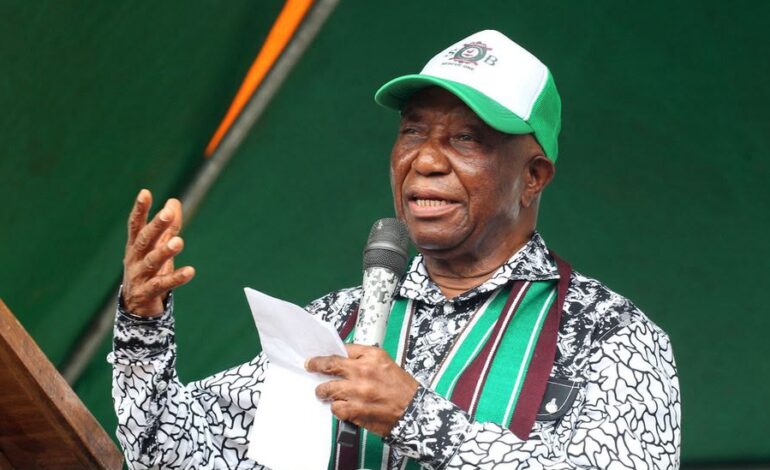
The bilateral arrangement will begin immediately, with an initial cohort of 20 deportees scheduled to land in Monrovia. Liberian Information Minister Jerolinmek Piah confirmed that the intake over the next 12 months will comprise non-Liberian citizens originating from several African nations as well as countries across North America, South America, and the Caribbean. All individuals slated for transfer must undergo medical screening and receive clearance prior to travel.

Government officials in Monrovia have framed the decision as a humanitarian gesture rooted in the country’s unique history. Founded in the 19th century by freed American slaves, Liberia has long maintained close diplomatic ties with the United States and occasionally positioned itself as a place of refuge.

Piah emphasized that the government intends to provide the arriving individuals with necessary support, adding that they will be treated as guests who are free to apply for local asylum in Liberia or depart for another destination at their own discretion.

Liberian Justice Minister Natu Oswald Tweh stated that authorities have already conducted preliminary screenings of the incoming registries, noting that the vast majority of individuals listed were targeted by U.S. authorities for civil immigration violations. While Monrovia maintained that no direct monetary compensation is tied to taking in the migrants, the United States will provide technical assistance and administrative support aimed at upgrading Liberia’s domestic border security and migration management infrastructure.
The agreement reflects an expanding diplomatic framework by the U.S. government to establish third-country transfer corridors. Liberia joins a growing list of African nations including Ghana, Sierra Leone, Equatorial Guinea, Cameroon, and the Democratic Republic of Congo that have signed onto similar arrangements to receive third-country nationals.

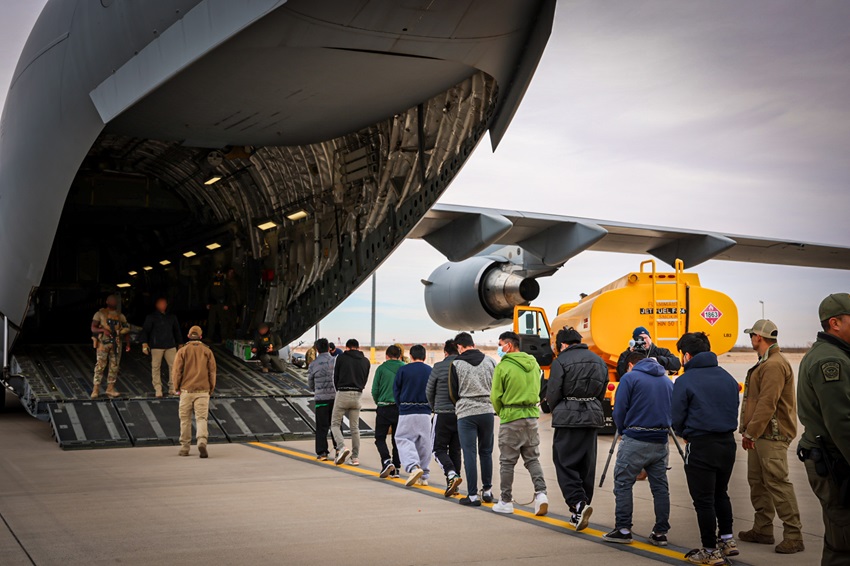
The policy continues to draw sharp criticism from international human rights advocates and immigration attorneys. A core point of contention is that third-country transfers often involve asylum seekers who hold court-issued withholding of removal orders or protections under the UN Convention Against Torture. These legal mechanisms explicitly bar the U.S. from repatriating individuals to their home countries due to verified threats of persecution or physical violence.
Legal experts argue that sending migrants to nations where they have no personal ties, language familiarity, or economic prospects often creates severe vulnerabilities, ultimately driving many to return to the dangerous conditions they originally fled.
RELATED: