Kimberly Mutandiro – Johannesburg

South Africa’s winter nights have been icy cold. But this has not bothered hundreds of Malawian nationals who have been sleeping outside the Malawian Consulate on the outskirts of Sandton City, Johannesburg, in recent weeks.
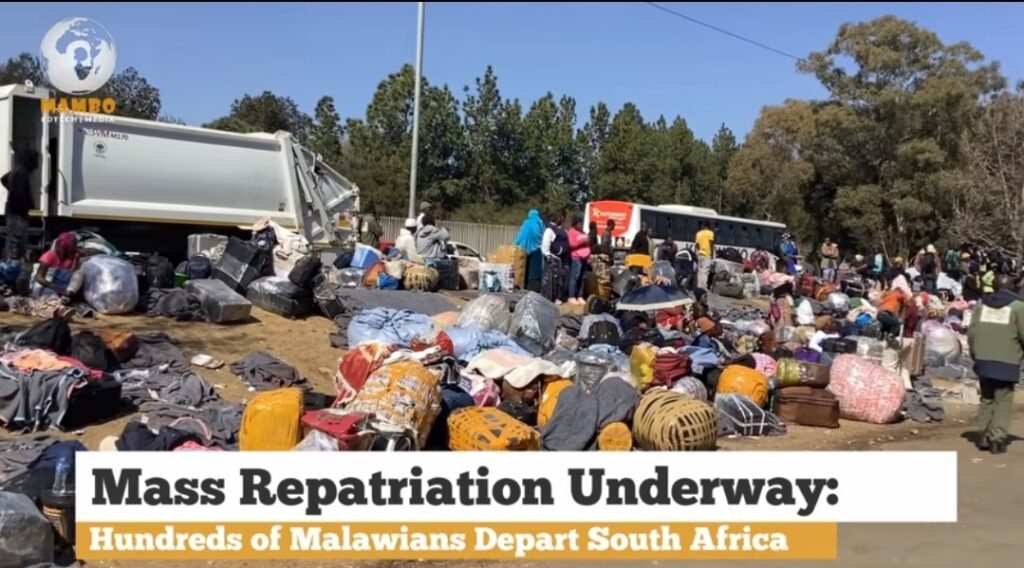
Some have spent cold nights in the open with small children, waiting to return home to Malawi for safety. Enduring a few cold nights outside is the price they’ve had to pay just to go home.

The situation outside the Malawian consulate has been described as a humanitarian crisis. Many people have continued to flee from South African communities as xenophobic tensions persist.

Daily, new people continue to arrive at the Malawian consulate. Volunteers from civil society and church organizations have been working tirelessly, providing meals and well-deserved care. Those receiving assistance at the consulate have admitted it had been long since they received such care and compassion.

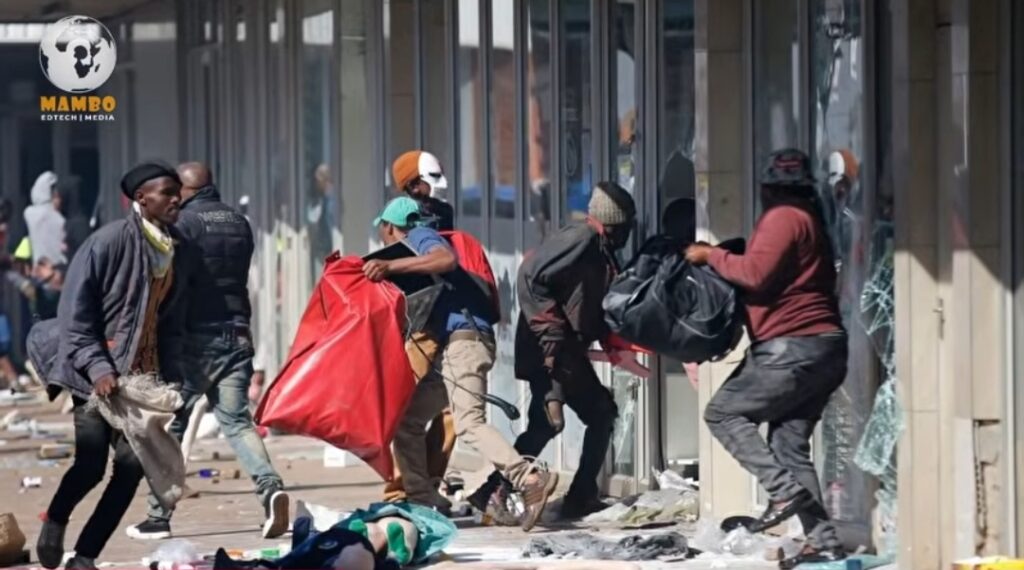
Many lost their jobs amid xenophobic tensions. Some have gone for days without food before turning to the consulate. Paying for bus tickets home is the last thing many can afford.
June 30th was the deadline set by anti-migrant groups such as March and March and Allies for African migrants to leave South Africa. Hundreds of African migrants began to voluntarily leave the country before that date fearing for their lives. Many did not want to witness a recurrence of xenophobic attacks that have persisted in the country during past years.

By issuing a deadline, anti-migrant groups expected all African migrants to leave the country peacefully before things could turn violent.
Regardless, Xenowatch, an organization which tracks xenophobic incidents in South Africa, recorded 7 deaths in the months leading to the 30 June deadline.
African migrants who did not leave by the deadline and particularly those living in poor communities suffered the consequences. On 30 June door-to-door raids were conducted by mobs and the police.
There were reports of immigrants being beaten up and being stoned as they faced punishment for not leaving the country by the deadline date.
Immigrants were arrested and attacked with or without documents. Others were driven out of their homes. Mobs told all victims that African migrants were no longer welcome in South Africa.
At night vigilantes went back to the homes of their victims and looted everything clean. It has been over a month since the 30 June deadline, but the dust has not settled. March and March has been leading weekly protests, going after remaining migrants. The situation has remained tense. Migrants continue to be terrorized.
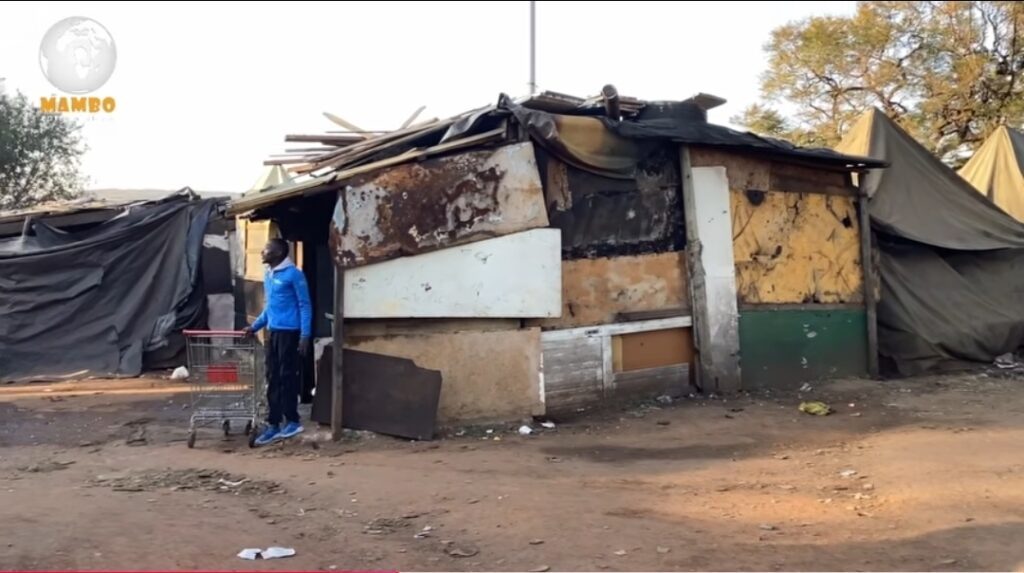
A large number of Malawian migrants preferred to live in townships and informal settlements where they could pay little rent. But xenophobic violence is rife in such communities. Hundreds of Malawian nationals continue to arrive at the consulate daily to board buses home.
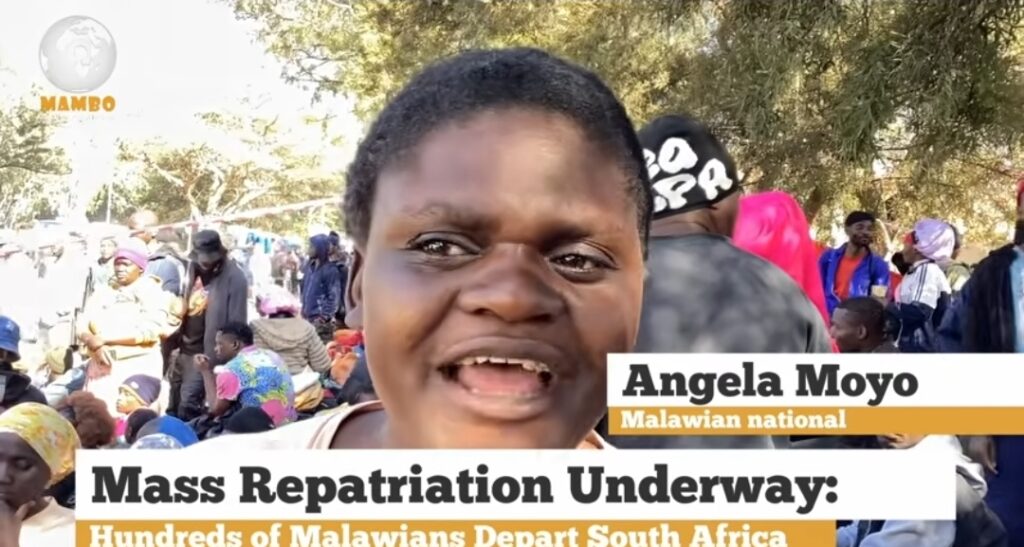
Angela Moyo lived with her husband and child in Kwa Nokuthula in Western Cape. Her husband was arrested after being found on the streets without documents. She was left to live alone with the baby. Amid xenophobic tensions, her landlord told her to leave and return to Malawi. After all the hostility she has faced, Moyo has vowed to never return to South Africa again.
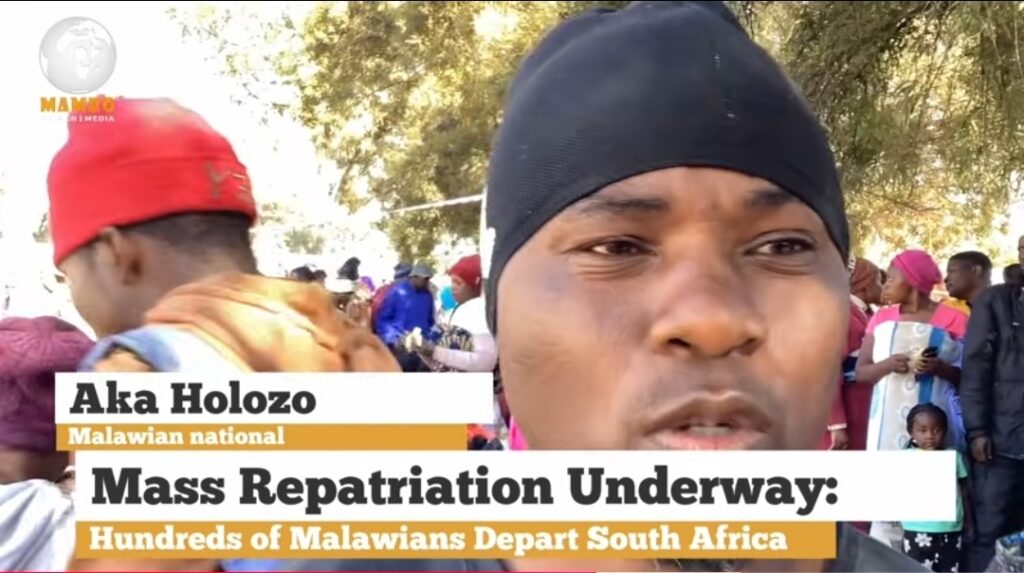
Aka Holozo, lived in Pretoria. He was running a tailoring business. In recent weeks his business was targeted by March and March members, accused of running a business meant for South African citizens. He was chased away from his shop, and he lost everything he had spent years building.
Holozo decided to leave South Africa for Malawi because he believes that home is best.
In some cases humanitarian organizations such as Doctors Without Borders have attended to emergency cases of people who were badly beaten. Others needed life-saving chronic medication denied to African migrants for months in public clinics.
Zimbabwe has had the largest number of voluntary repatriations, with over 50,000 passing through the Beitbridge border since between June and July. Malawi has had the second largest number of repatriations, with over 38,000 people leaving South Africa between June and July.
Civil society and church organizations who are volunteering their time at the Malawian consulate are showing up in the spirit of Ubuntu, a spirit of togetherness.
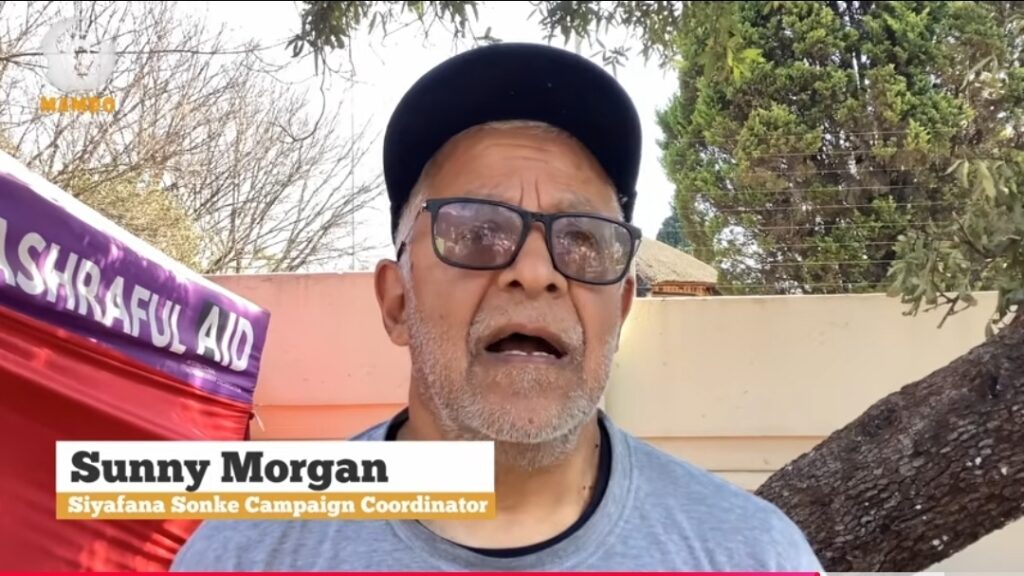
Some civil society organizations under the banner of the Siyafana Sonke Campaign are mobilizing peaceful protests in communities where March and March protests and tensions have persisted. They are calling for unity among Africans. They are calling for an end to xenophobia.
RELATED