Faith Nyasuguta

For millions of Africans, the biggest challenge in healthcare is no longer simply reaching a clinic—it’s whether they will receive the right diagnosis once they get there.
A new study published in the medical journal The Lancet has exposed a major diagnostic crisis across primary healthcare in low- and middle-income countries, with around four in five patients failing to receive an accurate diagnosis during their first clinic visit.

The findings paint a picture of a healthcare system where many illnesses are either missed, wrongly identified or diagnosed too late, allowing conditions to worsen before patients receive the treatment they actually need.
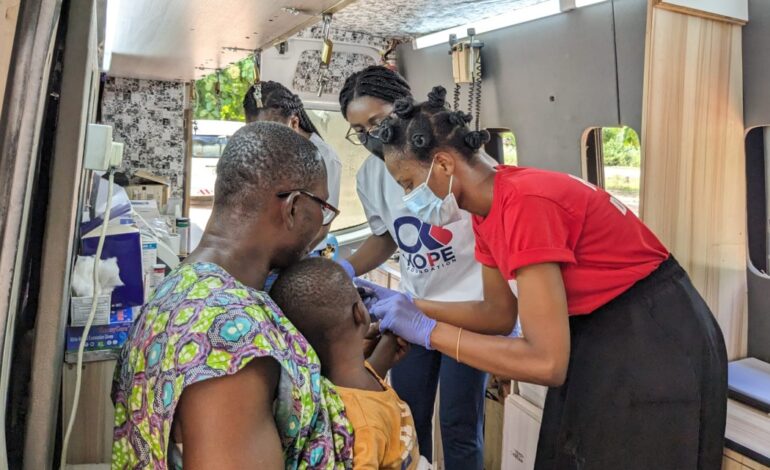
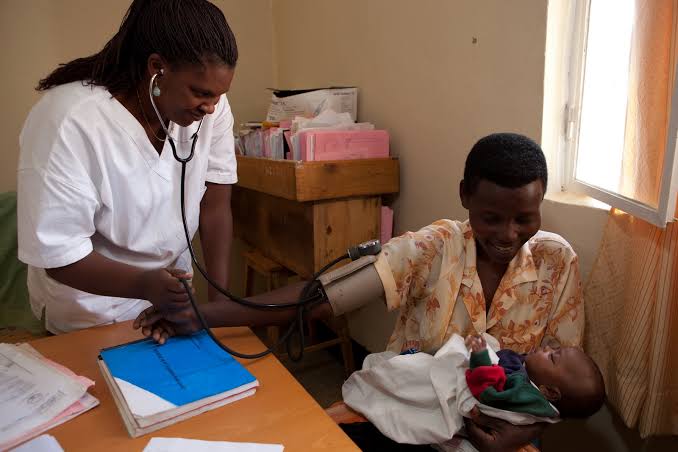
Primary healthcare centres serve as the first point of contact for most Africans. They are where mothers take sick children, where patients seek help for persistent coughs, fevers or unexplained pain, and where communities expect life-saving decisions to be made quickly.

Instead, many patients leave with the wrong diagnosis—or none at all.
Health experts warn that diagnostic errors are becoming one of Africa’s least discussed but most dangerous public health challenges. A wrong diagnosis can trigger a chain reaction.

Patients may receive medication for illnesses they do not have while the real disease continues to spread silently. Others are forced to make repeated visits to hospitals, spending money they can scarcely afford as their conditions deteriorate.
In severe cases, delayed diagnosis can mean the difference between recovery and death.
The report attributes the problem to multiple weaknesses that continue to plague many African health systems.
Many primary clinics operate with severe shortages of trained medical personnel, forcing overstretched healthcare workers to see dozens—sometimes hundreds—of patients every day.
Limited laboratory services further complicate the situation.
In many facilities, clinicians must rely almost entirely on symptoms because essential diagnostic equipment is unavailable or non-functional. Even basic laboratory tests remain inaccessible in numerous rural health centres across low- and middle-income countries.
Without reliable diagnostic tools, diseases with similar symptoms become difficult to distinguish. Malaria, typhoid, pneumonia, tuberculosis and several viral infections can all present with fever, fatigue and general body weakness.
When testing is unavailable, healthcare workers often have little choice but to make educated guesses. Experts argue that this creates a dangerous cycle of misdiagnosis, inappropriate treatment and growing antimicrobial resistance.
The challenge is not unique to one country.
Studies examining healthcare quality across multiple African nations have repeatedly found significant variations in the quality of diagnosis and clinical decision-making at primary care facilities. Differences in staff training, supervision, equipment availability and consultation time all influence whether patients receive accurate care.
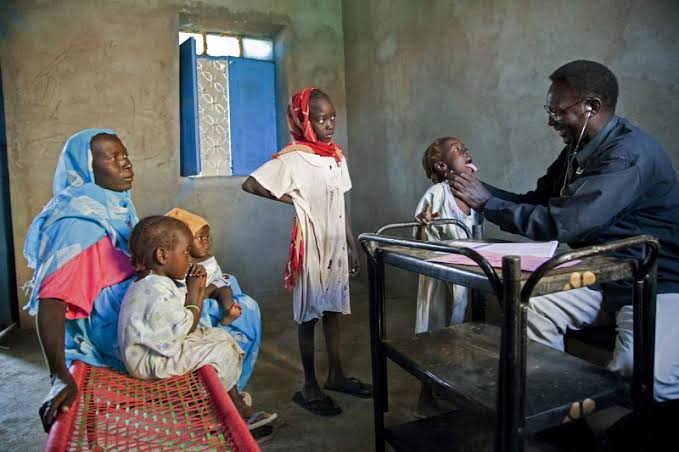
Children remain among the most vulnerable. Delayed recognition of pneumonia, diarrhoeal diseases and severe bacterial infections continues to contribute to preventable child deaths across sub-Saharan Africa, while adults suffering from chronic conditions such as diabetes, hypertension and cancer are also frequently diagnosed late.
Medical specialists say improving diagnosis may save as many lives as expanding access to medicines. They argue that medicines are only effective if patients first receive the correct diagnosis.
The report is expected to intensify calls for African governments to invest more heavily in diagnostics rather than focusing almost exclusively on treatment.
That means expanding laboratory networks, improving access to rapid diagnostic tests, strengthening digital health systems, training healthcare workers and ensuring clinics have the equipment needed to identify diseases accurately. The issue has also gained international attention.
The Lancet Commission on Diagnostics has previously warned that access to reliable diagnostic services remains one of the weakest links in global healthcare, particularly in low-resource settings, calling for diagnostics to become a central pillar of universal health coverage rather than an afterthought.
For many Africans, the journey to recovery begins with a diagnosis.
If that first diagnosis is wrong, every decision that follows becomes harder, more expensive and potentially more dangerous.
As governments continue investing in hospitals, medicines and health insurance programmes, experts say one uncomfortable truth can no longer be ignored: Healthcare cannot improve if doctors are forced to treat diseases they cannot accurately identify.
RELATED: