Faith Nyasuguta
Morocco has taken one of its most strategic infrastructure projects and attached it to one of the world’s most polarising political figures.
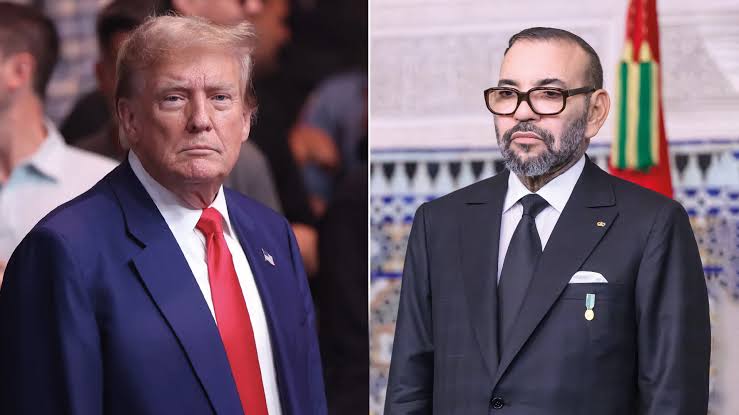
The North African kingdom has officially named its flagship Tiznit–Dakhla Expressway after U.S. President Donald Trump, a move widely interpreted as a powerful diplomatic gesture thanking him for his historic recognition of Morocco’s sovereignty over Western Sahara in 2020.

But behind the symbolism lies a much bigger story.

Far more than a newly named highway, the 1,055-kilometre corridor forms the backbone of Morocco’s long-term strategy to position itself as the commercial bridge between Europe and West Africa while tightening its grip over the disputed Western Sahara territory.
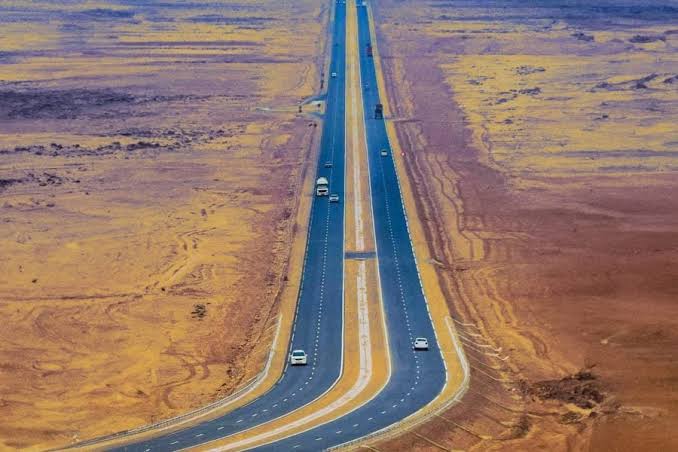
The project, estimated to have cost around $1 billion, stretches from the southern city of Tiznit through Guelmim, Tan-Tan and Laâyoune before reaching Dakhla, close to the Mauritanian border. The expressway is already fully operational and is regarded as one of Morocco’s most ambitious transport investments in decades.
Trump recently acknowledged the honour, publicly thanking King Mohammed VI after Morocco announced that the strategic highway would carry his name.
The decision traces back to December 2020, when the Trump administration became the first major Western government to formally recognise Morocco’s sovereignty over Western Sahara. The recognition came as part of the U.S.-brokered Abraham Accords, under which Morocco agreed to normalise diplomatic relations with Israel.
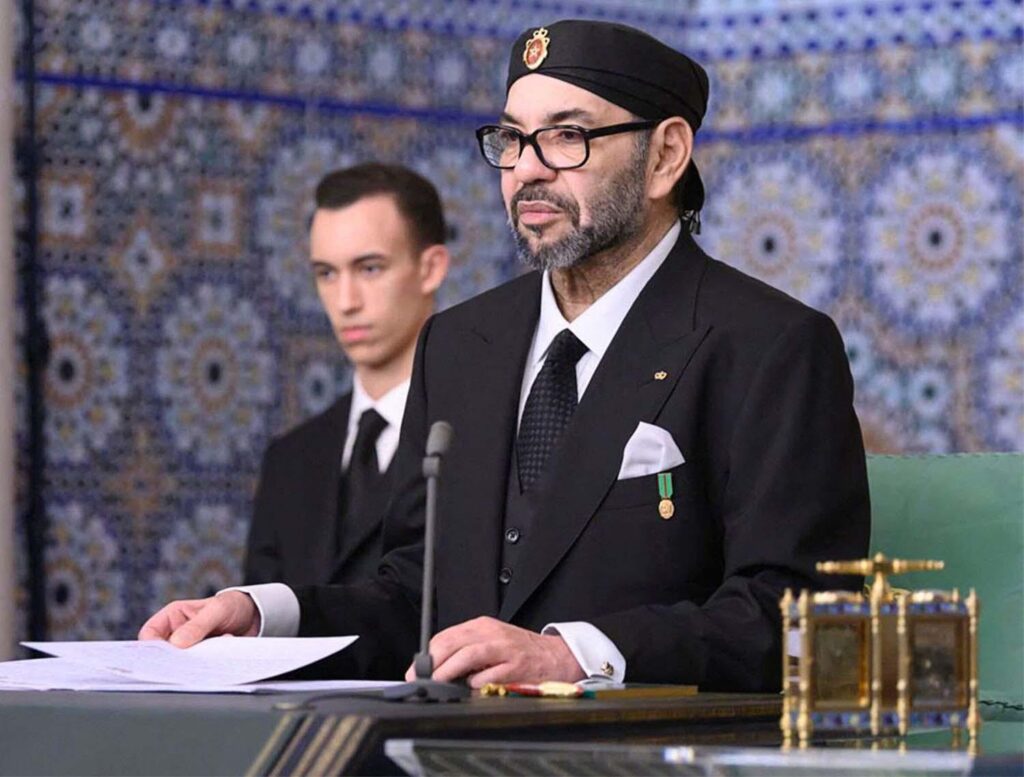
That recognition fundamentally shifted Morocco’s diplomatic position on one of Africa’s longest-running territorial disputes.
Western Sahara has remained contested since Spain withdrew from the territory in 1975. Morocco controls most of the region, while the Polisario Front, backed by neighbouring Algeria, continues to seek independence through the self-declared Sahrawi Arab Democratic Republic.
Although the dispute remains unresolved under international law, Morocco has increasingly relied on large-scale infrastructure projects to strengthen its administrative and economic integration of the territory.
The newly named expressway is one of the clearest examples of that strategy.
Beyond politics, the highway carries enormous economic significance.
It dramatically improves road transport across Morocco’s southern provinces while providing a faster and more reliable connection to Mauritania and, ultimately, the wider West African market.
Officials believe the corridor will reduce freight costs, shorten delivery times, improve road safety and stimulate investment across industries ranging from tourism and fisheries to manufacturing and logistics.
The expressway is also a critical component of Morocco’s broader Atlantic development strategy.
Its southern end links directly with the planned Dakhla Atlantic Port, a multibillion-dollar deep-water port designed to become one of Africa’s most important maritime logistics centres.
Once completed, the port and highway are expected to work together as a single transport corridor, moving goods between Europe, Morocco and West Africa more efficiently than ever before.
For Morocco, the vision extends well beyond its own borders.
Rabat is positioning itself as the principal Atlantic gateway for several landlocked Sahel countries, offering alternative trade routes to nations seeking improved access to international markets.
The initiative forms part of Morocco’s wider Atlantic Initiative, which aims to integrate Atlantic-facing African economies while creating new commercial corridors connecting Europe with some of Africa’s fastest-growing markets.
Supporters argue the infrastructure could transform regional trade by making it easier to transport agricultural produce, seafood, minerals and manufactured goods between North and West Africa.
Critics, however, view the project through a different lens.
Many see the massive investment in Western Sahara as another step in Morocco’s long-running effort to reinforce its sovereignty claims over the disputed territory through economic development and permanent infrastructure.
By expanding highways, ports and public services across the region, Rabat continues to strengthen its physical and administrative presence despite ongoing international disagreements over the territory’s final status.
The decision to place Donald Trump’s name on the expressway therefore carries significance far beyond simple recognition.
It signals Morocco’s continued appreciation for Washington’s landmark 2020 policy shift while underscoring the kingdom’s determination to keep Western Sahara at the centre of its national development agenda.
RELATED: