Wayne Lumbasi

A formal petition submitted by an Eswatini loyalist group to South African President Cyril Ramaphosa and the African Union (AU) has revived a long-standing geopolitical debate in Southern Africa. The petition demands the return of South Africa’s Mpumalanga province and significant portions of northern KwaZulu-Natal (KZN), which Eswatini claims were wrongfully stripped from its territory during colonial and apartheid-era administrations.
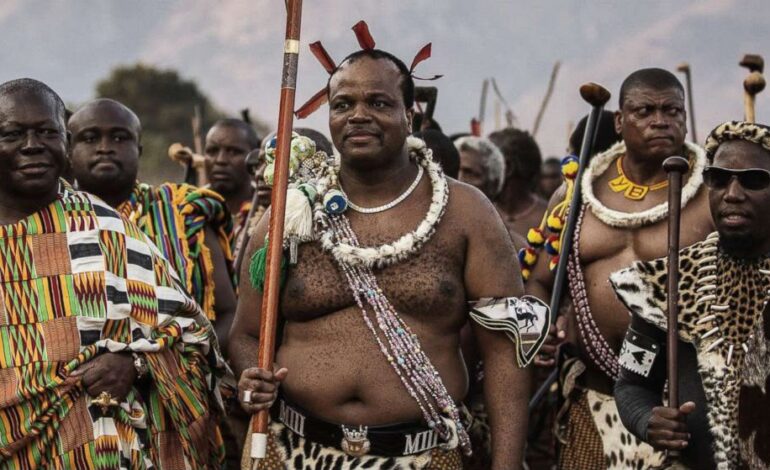
The push is championed by the Border Restoration Committee (BRC), a specialized body appointed by King Mswati III to investigate and reclaim ancestral Swazi lands. Led by Chief Mgebiseni Dlamini, the committee argues that modern borders unjustly divided Swazi communities and cut off Eswatini from its historical routes to the Indian Ocean, including areas like Ingwavuma and Kosi Bay. Historically, the 19th-century Swazi Kingdom under King Sobhuza I and King Mswati II covered a vast territory that is today part of South Africa. Loyalist groups argue that subsequent land concessions to European settlers, combined with 20th-century apartheid-era territorial shifts, illegally truncated the nation’s sovereign borders.

A central pillar of the historical claim is the 1982 border adjustment proposal. In that year, the South African apartheid government agreed to cede the Ingwavuma district in northern KwaZulu-Natal and the KaNgwane bantustan in Mpumalanga to the Eswatini kingdom. The deal was designed to strip millions of Swazi-descended South Africans of their South African citizenship while granting landlocked Eswatini a vital corridor to the Indian Ocean.

However, the agreement faced fierce domestic resistance and was ultimately blocked in court following a legal challenge led by the late Zulu Prince Mangosuthu Buthelezi, representing the KwaZulu territorial authority, alongside leaders of the KaNgwane homeland.
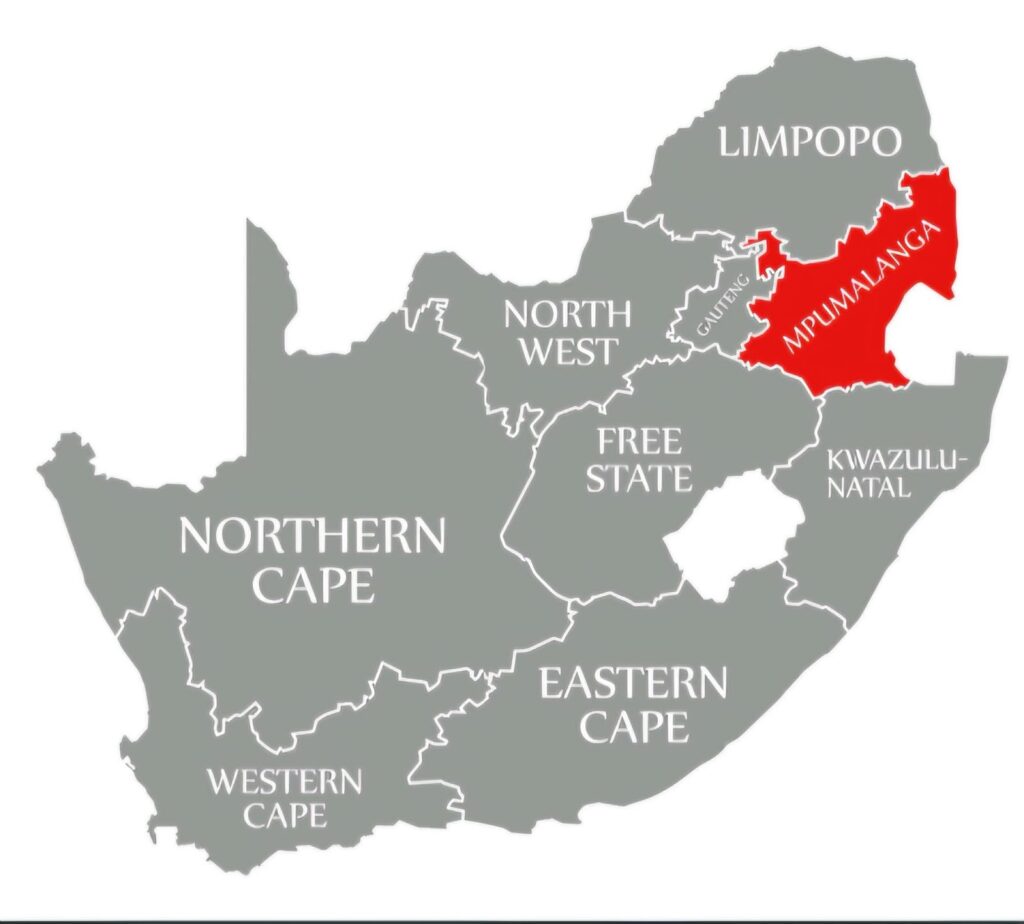
Neither the South African government nor the African Union has formally agreed to renegotiate the borders. South Africa’s stance remains firmly aligned with the AU’s foundational principle of the preservation of inherited colonial-era borders to prevent widespread regional conflicts across the continent. Ceding these mineral-rich, agriculturally fertile areas would also present severe economic, legal, and constitutional hurdles for South Africa. In addition, the modern inhabitants of Mpumalanga and northern KZN are fully integrated South African citizens, meaning any boundary alteration would require complex constitutional amendments and potentially explosive public referendums.
Ultimately, while the Border Restoration Committee continues to compile archival evidence and petition international bodies, the issue is widely seen as a symbolic campaign to keep Eswatini’s historical sovereignty in the public consciousness. In everyday diplomacy, the relationship between Eswatini and South Africa remains focused on pragmatic matters.
Rather than adjusting borders, the two nations continue to prioritize functional cooperation through the Southern African Customs Union (SACU), joint water resource management, and regional border management initiatives, leaving the petition as a peaceful but enduring reminder of Southern Africa’s colonial cartographic legacy.
RELATED: