Wayne Lumbasi

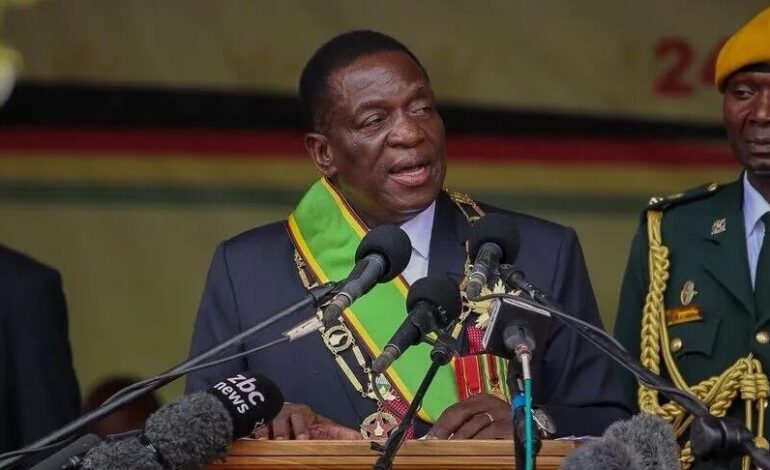
Zimbabwean President Emmerson Mnangagwa has officially signed into law a series of sweeping constitutional modifications that extend his current term in office by two years, keeping the 83 year old leader in power until 2030.
The legislation, gazetted on Tuesday as the Constitution of Zimbabwe Amendment (No. 3) Act, 2026, overhauls the electoral system established under the 2013 Constitution and represents a significant consolidation of executive authority. Government spokesperson Nick Mangwana confirmed the enactment on social media, writing that the bill has been fully executed.

The newly active law introduces several fundamental transformations to Zimbabwe’s governance. Most notably, the duration of terms for the president, parliamentarians, and local councilors increases from five years to seven years. Consequently, the next general elections, previously anticipated for 2028, are deferred to 2030.

Furthermore, future heads of state will no longer be chosen through a direct popular vote by the electorate. Instead, a joint sitting of Parliament will hold the authority to select the country’s president. The reform also expands the Senate from 80 to 90 seats to accommodate additional presidential appointees and shifts voter registration responsibilities away from the independent Zimbabwe Electoral Commission, transferring them directly to the Registrar General.

The ruling Zimbabwe African National Union Patriotic Front fast tracked the bill after achieving the required two thirds majority in both legislative houses. The National Assembly approved the final text in an extraordinary sitting on June 30 with a 226 to 41 vote, following an earlier 75 to 4 endorsement in the Senate.
The political opposition, legal scholars, and civil society advocates contend that the legislation disenfranchises citizens by removing the direct vote. Legal professionals have pointed out that Section 328 of the national constitution strictly dictates that any term extension cannot legally benefit an incumbent official without a national referendum. Opponents have announced plans to file immediate challenges in the Constitutional Court to contest the validity of the implementation.

Mnangagwa, who took office following the removal of Robert Mugabe in 2017, will reach 13 consecutive years in power by the conclusion of this amended timeline in 2030.
RELATED: