Faith Nyasuguta

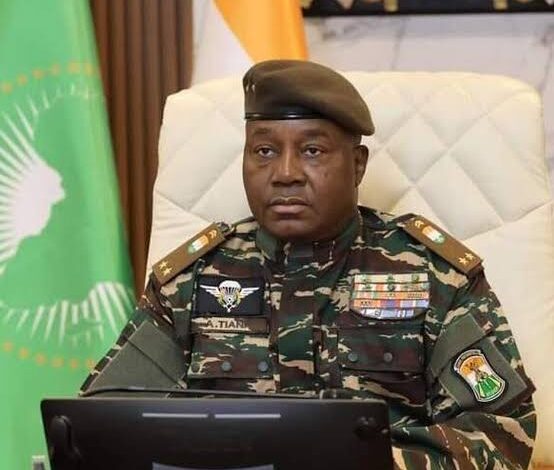
Niger has officially withdrawn from the International Criminal Court (ICC), deepening a growing confrontation between several African governments and the world’s top war crimes tribunal. The move marks another major step in the political realignment underway across the Sahel, where military-led governments are increasingly distancing themselves from institutions they view as instruments of foreign influence.
The withdrawal makes Niger the third member of the Alliance of Sahel States (AES) to formally leave the court, following similar decisions by neighboring Mali and Burkina Faso. The three countries first announced their intention to withdraw in 2025, arguing that the ICC no longer serves the interests of justice and instead operates with a bias against weaker nations.

In a statement explaining its position, Niger accused the court of practicing selective justice and applying international law unevenly. Officials argued that African countries have been disproportionately scrutinized by the tribunal while alleged crimes committed by powerful states and their allies often escape similar attention.

The ICC responded by expressing disappointment over Niger’s departure.

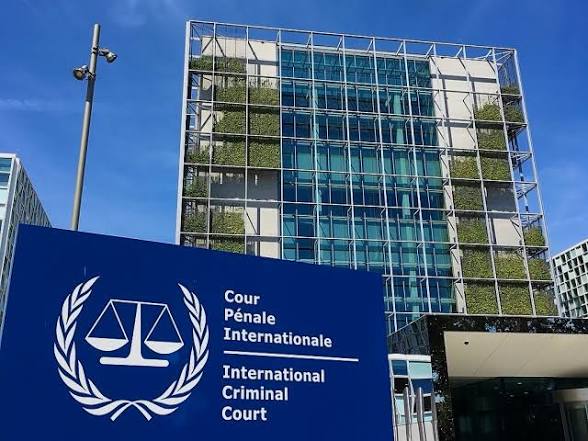
“We regret any decision to depart from the collective effort to end impunity for the most serious international crimes,” the court said in an official statement.
The development comes amid a broader political shift across the Sahel. Niger, Mali, and Burkina Faso have all undergone military takeovers in recent years and have steadily moved away from traditional Western partnerships. Earlier this year, the three countries formally exited the Economic Community of West African States (ECOWAS) and strengthened their own regional bloc, the Alliance of Sahel States.

The military governments leading the alliance have repeatedly framed international institutions as tools that undermine African sovereignty. In the case of the ICC, they argue that the court has evolved into what they describe as a “neo-colonial” mechanism used to pressure or punish politically weaker nations.
Their criticism is not new.
Since the court’s creation in 2002, many African leaders have questioned why a significant proportion of ICC investigations and prosecutions have focused on African countries. Critics argue that conflicts and alleged war crimes elsewhere in the world have often received less attention, creating a perception that the court applies different standards depending on a country’s geopolitical influence.
Over the years, several African governments have voiced frustrations with the institution. South Africa, The Gambia, Kenya, and others have at various points criticized the court’s operations, although not all followed through with withdrawal plans.
In 2016, Burundi became the first country to formally leave the ICC. Around the same time, South Africa and The Gambia announced intentions to withdraw, though both later reversed course. Outside Africa, the Philippines became the second nation to complete a formal withdrawal after then-President Rodrigo Duterte initiated the process, which took effect in 2019.
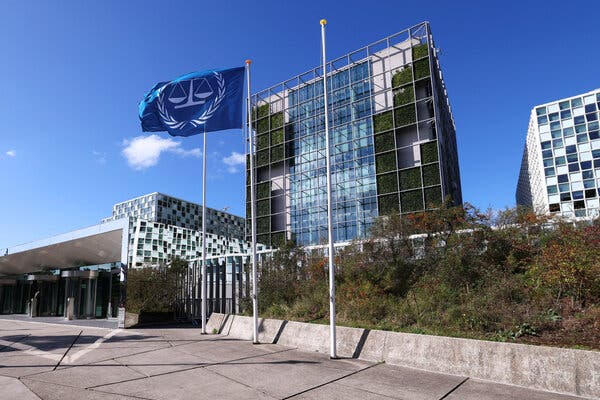
Supporters of the ICC reject accusations of bias and argue that many African cases were opened at the request of African governments themselves or referred to by the United Nations Security Council. The court maintains that its mandate is to prosecute individuals accused of genocide, crimes against humanity, war crimes, and aggression when national judicial systems are unable or unwilling to do so.
Headquartered in the Dutch city of The Hague, the ICC remains the only permanent international court dedicated to trying individuals accused of the world’s gravest crimes.
Niger’s departure is therefore more than a legal decision. It reflects a broader geopolitical trend reshaping the Sahel, where military governments are challenging long-established international arrangements and seeking greater control over their political, security, and judicial affairs.
Whether the withdrawal strengthens sovereignty or weakens accountability will remain a subject of intense debate. What is clear, however, is that Niger’s exit adds fresh momentum to a growing movement questioning the legitimacy, fairness, and future role of international institutions across Africa.
RELATED: