Wayne Lumbasi

Niger’s military-run government has officially enacted a new penal code that explicitly criminalizes same-sex relations, introducing severe prison sentences and ending the country’s long-standing status as one of the few West African nations without statutory bans on homosexuality.
Under the newly updated legal framework, individuals convicted of engaging in consensual same-sex relations face mandatory prison terms ranging from 5 to 10 years, alongside substantial financial fines. Depending on specific aggravating factors, such as the age of the individuals involved, certain provisions within the overhauled code can carry sentences extending up to 20 years.

Historically, the Republic of Niger operated under a post-colonial secular penal code that remained technically silent on adult, private, and consensual same-sex acts. The only previous statutory reference was a discriminatory age-of-consent gap, which was set at 13 for heterosexual relationships and 21 for same-sex conduct. The new legislation completely repeals that framework, shifting the legal status of sexual minorities from “unprotected” to explicitly criminalized nationwide.

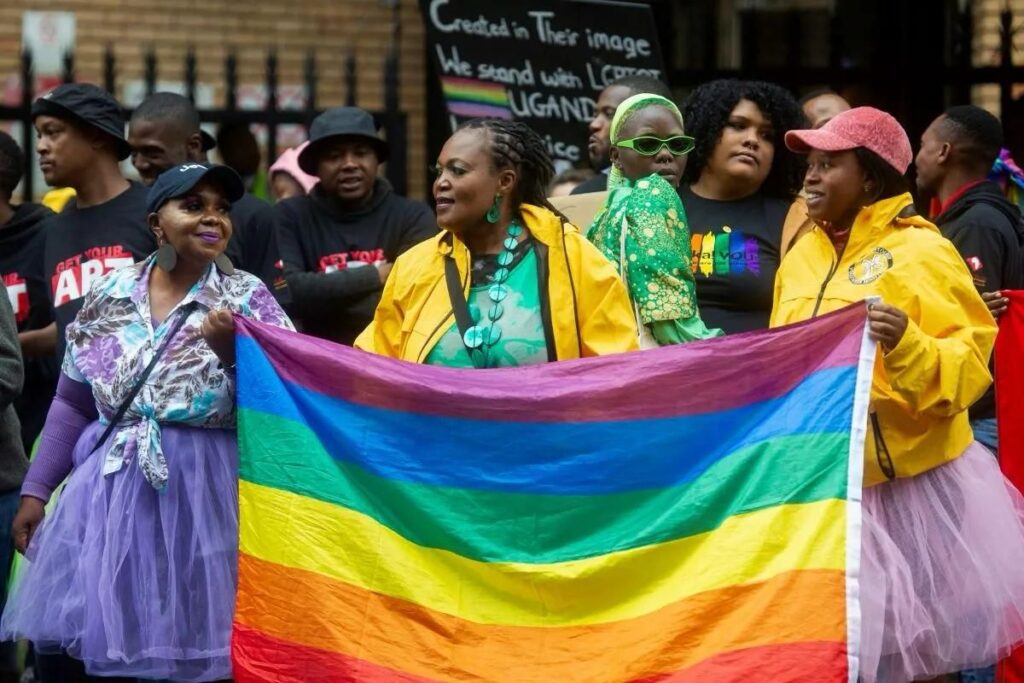
The military junta, which assumed power following a coup, has framed the sweeping legal revisions as a necessary measure to protect “national sovereignty, cultural values, and religious morality” against perceived external influences. While Niger is constitutionally a secular state, it is a deeply conservative, Muslim-majority nation where LGBTQ+ individuals have long faced intense societal stigma, isolation, and hostility.

This legislative overhaul aligns Niger with a broader, intensifying regional trend across Sub-Saharan Africa. Over the last few years, several nations including Uganda and Ghana have tightened or introduced aggressive anti-LGBTQ+ laws. Furthermore, the move brings the landlocked nation closer to the strict anti-homosexuality enforcement parameters seen in neighboring Nigeria.
RELATED: