Faith Nyasuguta

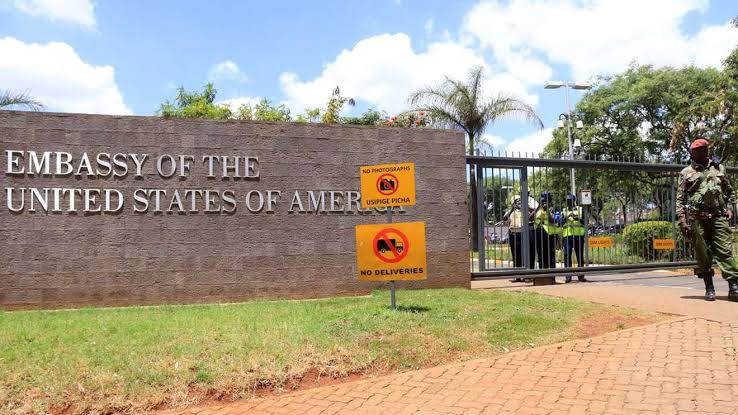
A major immigration policy shift being considered by U.S. President Donald Trump’s administration could dramatically reshape how millions of Africans access the United States, with reports indicating that up to 30 African countries may soon lose direct access to American visa-processing services.
If approved, the proposal would slash the number of U.S. embassies and consulates across Africa handling visa applications from 50 countries to just 20, creating one of the most significant changes to American consular operations on the continent in decades.

According to an Associated Press report citing U.S. officials and an internal State Department memo, applicants in dozens of African countries would no longer be able to complete visa procedures in their home nations. Instead, they would be required to travel to neighboring countries simply to attend interviews and finalize applications.

For many Africans, that could mean additional flight tickets, accommodation expenses, transport costs, visa fees for transit countries, and weeks or even months of extra delays.

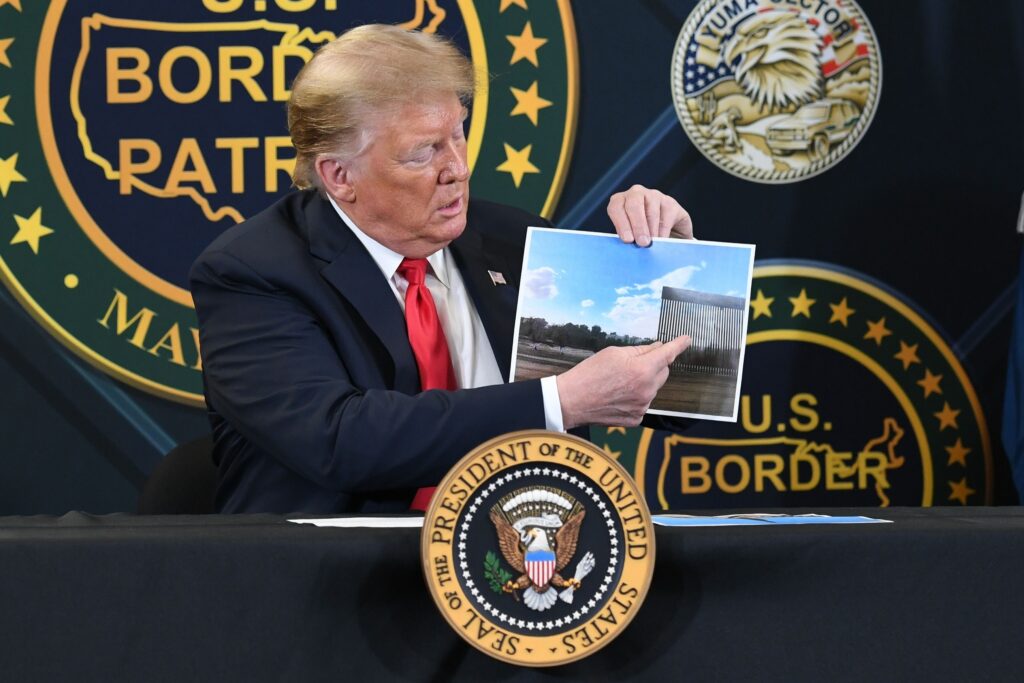
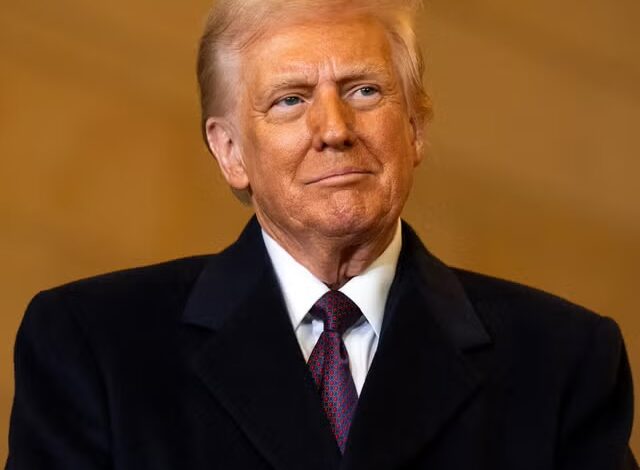
The proposal is part of a broader immigration overhaul being pursued by the Trump administration as it seeks to tighten border controls, expand deportation efforts, and reshape America’s visa system.
Since returning to office, Trump has aggressively pushed policies centered on stricter immigration enforcement, arguing that tougher controls are necessary to protect national security and strengthen oversight of those entering the United States.

But while Washington presents the move as an administrative and security measure, critics argue it could create major barriers for ordinary Africans seeking to travel legally for education, business, tourism, medical treatment, or family reunification.
For students, the consequences could be particularly severe. Many African students already face lengthy visa processing periods and intense scrutiny when applying to American universities. Under the proposed system, students from affected countries may now be forced to travel abroad for interviews, potentially missing enrollment deadlines or losing scholarship opportunities altogether.
Business leaders could also face new challenges. Executives seeking to attend trade forums, investment summits, or corporate meetings in the United States may encounter significantly longer waiting periods and higher costs. Small business owners and entrepreneurs, especially those operating with limited resources, could find access to American markets increasingly difficult.
Families may also bear the burden. Relatives hoping to visit loved ones in the United States could be required to cross borders simply to complete routine visa procedures, adding another layer of complexity to already demanding application processes.
The timing of the proposal is particularly notable because it comes as Washington simultaneously seeks deeper migration cooperation with African governments.
In recent months, the Trump administration has pursued agreements with several African countries aimed at expanding deportation arrangements. Under some of these discussions, African states would accept migrants removed from the United States even if those individuals are not citizens of the receiving country.
American officials have framed such agreements as part of a broader migration-management strategy designed to strengthen diplomatic and security partnerships. However, critics argue the visa-processing cuts risk undermining those efforts.
Many observers say the United States appears to be sending mixed signals by asking African governments to assist with migration enforcement while making it more difficult for African citizens to access legal travel pathways into America.
The proposal also arrives amid growing scrutiny of Africa- US relations, with several African countries already facing increased visa reviews, travel restrictions, and stricter compliance requirements tied to immigration and security concerns.
If implemented, the reduction from 50 visa-processing locations to just 20 would fundamentally alter how Africans engage with the United States.
Beyond the immediate inconvenience, the move could reshape educational exchanges, business relationships, tourism flows, and family connections between Africa and America for years to come.
For now, the proposal remains under consideration, but across the continent, governments, students, entrepreneurs, and travelers are closely watching what could become one of the most consequential U.S. visa policy changes affecting Africa in recent history.
RELATED: