Wayne Lumbasi
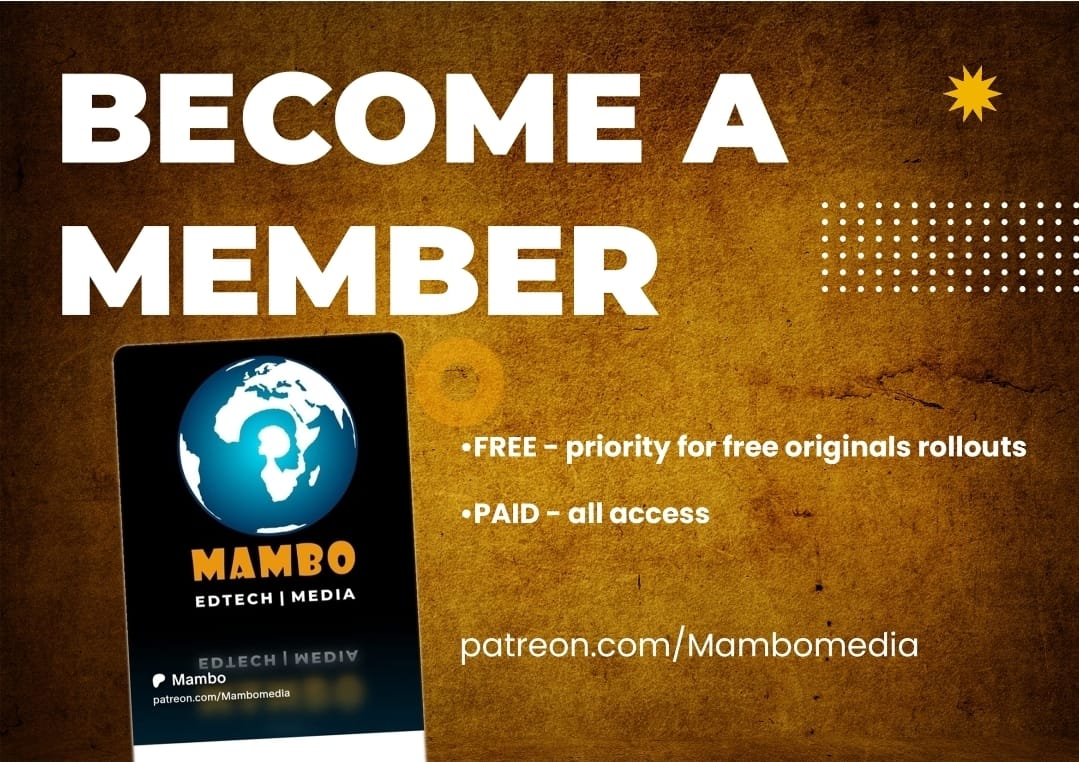
The Republic of Ghana and the Republic of Korea have officially signed a historic mutual visa waiver agreement for holders of diplomatic and service passports, marking a major milestone in the modern diplomatic history of both nations. The pact, concluded during a high-level state visit to Seoul, is designed to systematically dismantle the bureaucratic and administrative hurdles that have historically slowed down official government travel, establishing a highly streamlined pathway for statecraft and institutional mobility.
Under the specific legal and operational frameworks of the newly ratified waiver, accredited diplomats, state representatives, and official government employees carrying valid diplomatic or official service passports from either country will be granted entry without the necessity of securing a visa prior to departure. This reciprocal protocol allows qualifying personnel to remain within the host country’s jurisdiction for designated short-term assignments, typically capped between 30 and 90 days per visit, entirely bypassing traditional consular vetting pipelines while keeping standard biometric and customs border protections fully active at points of entry.

The strategic implementation of this agreement is expected to trigger an immediate uptick in the frequency and agility of reciprocal working visits, allowing technical working groups, military attaches, and ministerial delegations to mobilize at a moment’s notice to address emerging shared challenges. In the past, the logistical burden of coordinating multi-departmental delegations meant that crucial technical exchanges frequently collided with the rigid processing timelines of standard consular offices, introducing avoidable friction into time-sensitive state engagements.

By eliminating these pre-travel processing delays, South Korea joins an elite portfolio of approximately 45 nations, including China, Germany, Brazil, South Africa, Morocco, and India, that maintain reciprocal visa-free arrangements with Ghana for official passport categories, further strengthening Ghana’s global passport mobility and international engagement profile.

Beyond the immediate ease of travel for government officials, the waiver serves as a foundational pillar for a broader, multi-sector economic and developmental partnership aimed at capitalizing on raw material value chains and industrial technology transfers. The signing of the passport agreement occurred alongside the ratification of three other critical bilateral pacts, including a comprehensive climate change cooperation accord, a memorandum of understanding on digital technology and innovation, and a maritime safety and security agreement between the Korea Coast Guard and the Ghana Navy to maintain security in West African waters.
Ghanaian leadership explicitly highlighted the nation’s rich deposits of critical transition minerals, such as lithium, bauxite, manganese, gold, and nickel, noting that the removal of red tape for state actors will directly accelerate public-private joint ventures and technical collaboration in electric vehicle battery manufacturing and clean energy technologies.

From a macroeconomic and regional perspective, the timing of this agreement is highly strategic for both Accra and Seoul as they look to realign their foreign policy objectives with expanding global markets. For Ghana, the waiver fits into a larger strategic framework of positioning the nation as the primary commercial and diplomatic gateway to the West African sub-region, a status heavily reinforced by its role as the host nation for the African Continental Free Trade Area Secretariat.
South Korea, conversely, is looking to significantly expand its geopolitical footprint and secure reliable supply chains across the African continent, a goal that requires seamless institutional access. With the bureaucratic bottlenecks officially cleared for state actors, the focus now shifts to the practical implementation of these diverse developmental agendas, transforming the administrative signing into a practical engine for long-term bilateral growth, bolstered by ongoing support from agencies like the Korea International Cooperation Agency in the fields of agriculture, public healthcare, and digital governance.
RELATED: