Faith Nyasuguta

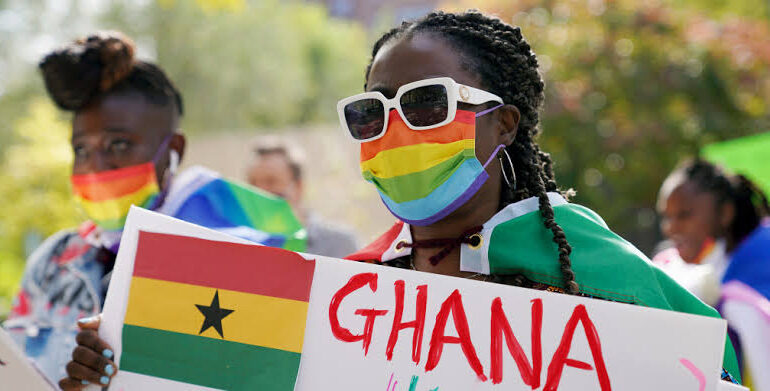
Ghana has reignited one of Africa’s most contentious social debates after parliament approved a sweeping anti-LGBTQ+ bill that could impose prison sentences on individuals who identify as LGBTQ+ and those accused of promoting or supporting LGBTQ+ rights.
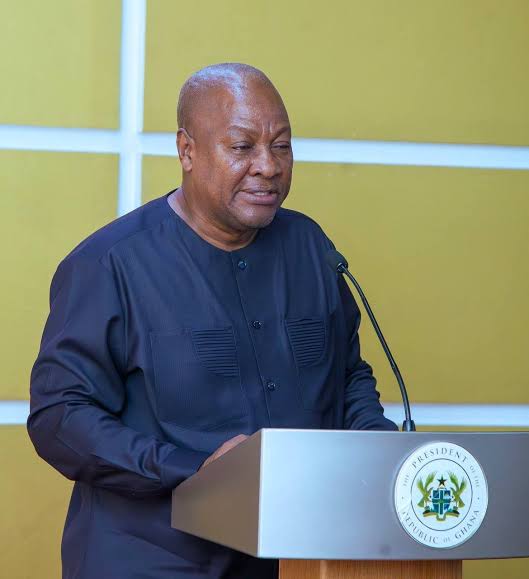
The legislation, which now awaits President John Dramani Mahama’s signature, proposes jail terms of up to three years for people who identify as lesbian, gay, bisexual, transgender, or queer. It also introduces a controversial requirement compelling citizens to report prohibited LGBTQ+ activities to law enforcement authorities.

The vote marks a major victory for conservative religious groups and traditional leaders who have spent years lobbying for stricter legislation, arguing that the measures are necessary to defend Ghanaian cultural, religious, and family values.

Supporters of the bill say it strengthens existing laws that already prohibit same-sex relations, many of which date back to British colonial rule. Speaking before parliament, the bill’s sponsor, Reverend John Ntim Fordjour, argued that the legislation would make Ghana’s legal framework “more robust, more encompassing and more stringent” in addressing LGBTQ+ activities.
But critics warn that the proposed law goes far beyond criminalising same-sex relationships.
Under the legislation, individuals who publicly support LGBTQ+ rights or identify as allies could also face legal penalties. Human rights groups argue that the bill risks creating a climate of fear, surveillance, and social division by encouraging citizens to monitor and report one another.

International rights organisations have strongly condemned the move. Human Rights Watch warned that the legislation could place LGBTQ+ individuals at greater risk of discrimination, harassment, and violence while legitimising public denunciations and social exclusion.
The bill’s passage also places President Mahama under growing pressure from both sides of the debate. Religious leaders are urging him to sign the legislation into law, while rights groups and international observers are calling on him to reject it.
A similar bill passed parliament in 2024 but ultimately failed to become law after former President Nana Akufo-Addo declined to sign it amid legal and constitutional challenges.
However, Mahama has previously expressed support for traditional definitions of gender and marriage, suggesting the legislation may have a stronger path to enactment this time around.
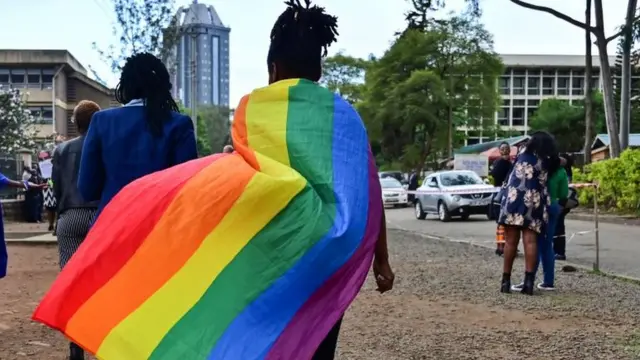
The development also reflects a broader trend unfolding across parts of Africa, where several governments have introduced tougher measures targeting LGBTQ+ rights. In recent years, countries such as Uganda and Senegal have adopted stricter legislation, often framing the measures as efforts to protect national culture and sovereignty from perceived foreign influence.
As Ghana edges closer to a final decision, the battle has evolved beyond legislation alone. It has become a broader contest over identity, culture, religion, human rights, and the future direction of one of West Africa’s most influential democracies.
RELATED: