Wayne Lumbasi

Tensions between the United States and Iran have intensified after the U.S. President Donald Trump rejected Tehran’s latest response to a proposed peace framework aimed at reducing hostilities in the Middle East.
Iran had submitted a counter-proposal through mediators, outlining conditions for de-escalation. The proposal reportedly called for the lifting of economic sanctions, an end to military pressure in the Gulf region, and security guarantees against future attacks. It also pushed for broader negotiations on regional stability and maritime security, particularly in strategic waterways such as the Strait of Hormuz.

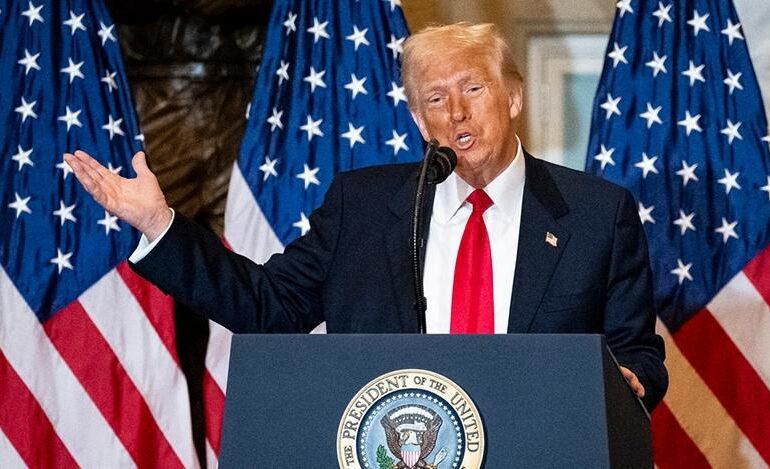
Trump dismissed the proposal, describing it as “totally unacceptable” and insisting that any agreement must include strict limits on Iran’s nuclear programme and its regional military influence. His rejection has stalled diplomatic momentum and raised concerns that negotiations could collapse entirely.

In response, Iran warned that it would not accept coercive demands and signaled that it could retaliate if military pressure increases. Iranian officials reiterated that the country would defend its sovereignty and warned against any renewed escalation in the region.

The Strait of Hormuz remains a key flashpoint, given its importance to global oil transport. Any disruption in the waterway could have serious consequences for international energy markets and shipping routes.
The standoff comes amid already fragile conditions across the Middle East, where overlapping conflicts and political tensions continue to fuel instability. Despite ongoing indirect talks, both sides remain far apart on core issues, particularly Iran’s nuclear programme and broader security demands.

For now, diplomacy remains stalled, with neither Washington nor Iran showing signs of softening their positions, keeping the risk of further escalation firmly on the table.
RELATED: