Faith Nyasuguta
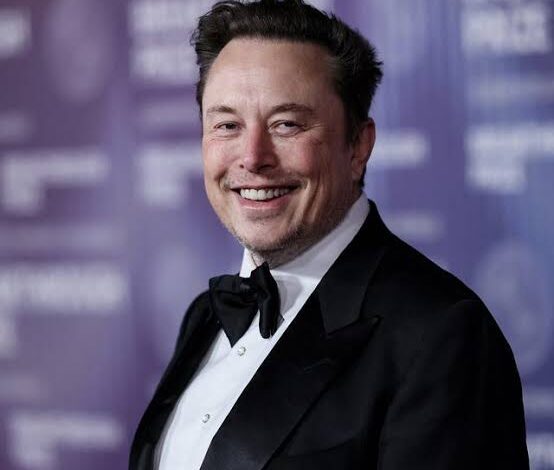
Elon Musk is moving closer to becoming the world’s first trillionaire, as his vast empire spanning artificial intelligence, electric vehicles, satellite internet, and space technology continues to explode in value. With estimates now placing his fortune at roughly $839 billion, the South African-born billionaire has widened the gap between himself and other global tech titans including Jeff Bezos and Mark Zuckerberg.
But beyond the staggering numbers, Musk’s rise is increasingly pulling Africa into the center of conversations about the future of technology, energy, and digital power.

Through companies like Tesla, SpaceX, Starlink, xAI, and X, Musk has built influence across some of the world’s fastest-growing industries. Artificial intelligence is driving a new global wealth boom, while demand for clean energy, electric vehicles, satellite connectivity, and advanced data systems continues to surge. Musk now sits at the crossroads of all of them.

And Africa is no longer just watching from the sidelines.
One of Musk’s biggest footprints on the continent has come through Starlink, the satellite internet company rapidly expanding across Africa. Since launching in Nigeria in 2023, Starlink has spread into countries including Kenya, Rwanda, Zambia, Ghana, and Botswana, targeting regions where traditional broadband infrastructure remains weak or expensive.
The company has also proposed a $113 million regional investment aimed at improving internet access across Southern Africa. But that expansion hit turbulence in South Africa, where Black ownership requirements under the country’s B-BBEE laws created friction between Musk and regulators.

Musk publicly criticized the restrictions, claiming Starlink was blocked because he was “not black,” triggering a fierce debate over race, transformation policies, and foreign investment in South Africa’s tech sector.
Months later, South African authorities proposed adjustments that would allow companies to meet empowerment obligations through alternative investment programmes instead of direct ownership transfers. The standoff exposed a larger tension facing many African governments: how to attract powerful global tech investors while still addressing historic economic inequality.
At the same time, Tesla is making some of its biggest African moves yet.
The electric vehicle giant recently announced plans for a massive $5 billion manufacturing facility in Morocco, a project expected to produce up to 400,000 vehicles annually and create roughly 25,000 jobs. The factory in Kenitra could transform Morocco into a major player in the global EV supply chain at a time when demand for battery-powered vehicles is accelerating worldwide.
Tesla has also opened Africa’s first official dealership in Morocco after establishing a regional energy and mobility hub in Casablanca. For years, African buyers relied heavily on expensive imports and third-party dealers to access Tesla vehicles. That is now beginning to change.
The shift reflects something much larger happening globally.
For decades, wealth was built through oil, banking, manufacturing, and industrial production. Today, the world’s richest figures increasingly control AI systems, digital infrastructure, energy technology, communications networks, and space innovation.
Africa is becoming deeply tied to those industries, whether through minerals needed for EV batteries, rapidly growing tech ecosystems, or expanding internet connectivity.
For many young Africans, Musk’s rise represents both inspiration and contradiction. On one hand, it proves that someone with African roots can dominate the highest levels of global innovation. On the other, it highlights the reality that many of the continent’s brightest founders still scale their biggest ideas abroad due to limited capital, infrastructure, and policy support at home.
Whether Musk ultimately becomes the world’s first trillionaire or not, his influence is already reshaping global conversations around wealth, technology, and power – and Africa is increasingly part of that story.
RELATED: